Cambodia is a fascinating Southeast Asian country known for housing Angkor Wat, the world’s largest religious structure. Beyond ancient monuments, it features a unique river that changes its flow direction twice a year, a flag depicting a historic building, and a rich culture deeply tied to traditional music and biodiversity.
An incredible world of history, culture, and nature awaits when you explore these Cambodia fun facts. You will quickly discover that this vibrant Southeast Asian country holds secrets that surprise even seasoned travelers.
If you are planning a trip or simply curious about global geography, learning these Cambodia fun facts will completely change how you view the region. Let us jump right into these astonishing insights about a truly remarkable country.
The World’s Largest Religious Monument Belongs to Cambodia
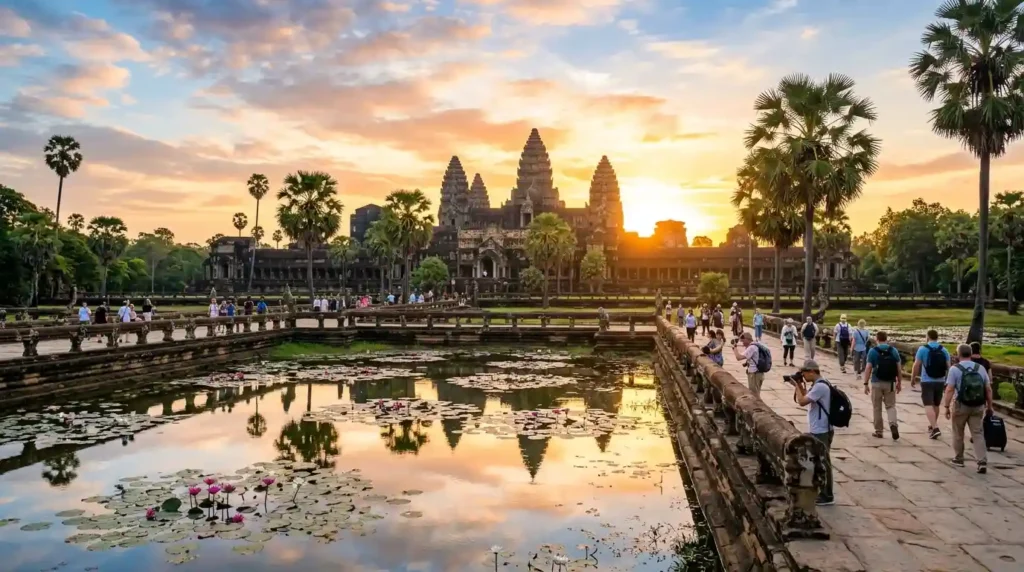
Angkor Wat stands as the absolute crown jewel of Southeast Asian archaeology. Sprawling over 400 acres, this massive complex was originally built in the early 12th century as a Hindu temple dedicated to Vishnu. Over time, it gradually transformed into a Buddhist site, reflecting the spiritual evolution of the Khmer Empire.
Walking through the stone corridors feels like stepping back into a forgotten era. The intricate bas-reliefs carved into the sandstone walls depict epic battles and mythical creatures. It is so vast that explorers are still discovering hidden structures buried under the nearby jungle canopy using laser scanning technology.
What many people fail to realize is the sheer engineering genius behind its construction. The ancient builders used millions of sandstone blocks, each weighing up to 1.5 tons, brought from a quarry over 25 miles away. The entire structure floats on a water-backed foundation system that prevents the heavy stones from sinking into the soft soil.
A Flag Featuring an Architectural Monument
Cambodia holds a unique distinction in global heraldry. It is one of the very few countries in the world to feature an actual building on its national flag. The bold silhouette of Angkor Wat sits right at the center of the flag’s red and blue background.
This design carries massive pride for the local people. Even as the nation went through different political regimes over the past century, the central image of Angkor Wat remained on almost every variation of the flag. It serves as a constant symbol of unity, heritage, and historical greatness.
When you look at national symbols globally, only two other nations feature buildings on their flags. This makes the country’s national emblem exceptionally rare and instantly recognizable across the globe.
The River That Changes Its Flow Direction
Nature operates under some strange rules in this part of the world. The Tonle Sap River possesses a rare hydrological phenomenon that occurs almost nowhere else on Earth. Twice every year, the river completely reverses its flow direction.
During the dry season from November to May, the river drains water from the Tonle Sap Lake into the larger Mekong River. However, when the heavy monsoon rains arrive in June, the massive volume of water in the Mekong forces the Tonle Sap River to flow backward into the lake.
- The lake expands up to five times its dry-season size during the monsoon season.
- This natural flooding creates one of the richest inland fishing grounds on the planet.
- Millions of migratory birds and rare aquatic species rely on this seasonal flood cycle.
This flow reversal triggers the annual Water Festival, known locally as Bon Om Touk. People gather along the riverbanks in the capital city to watch traditional boat races and celebrate the natural miracle that sustains their agriculture.
Floating Villages That Move with the Seasons
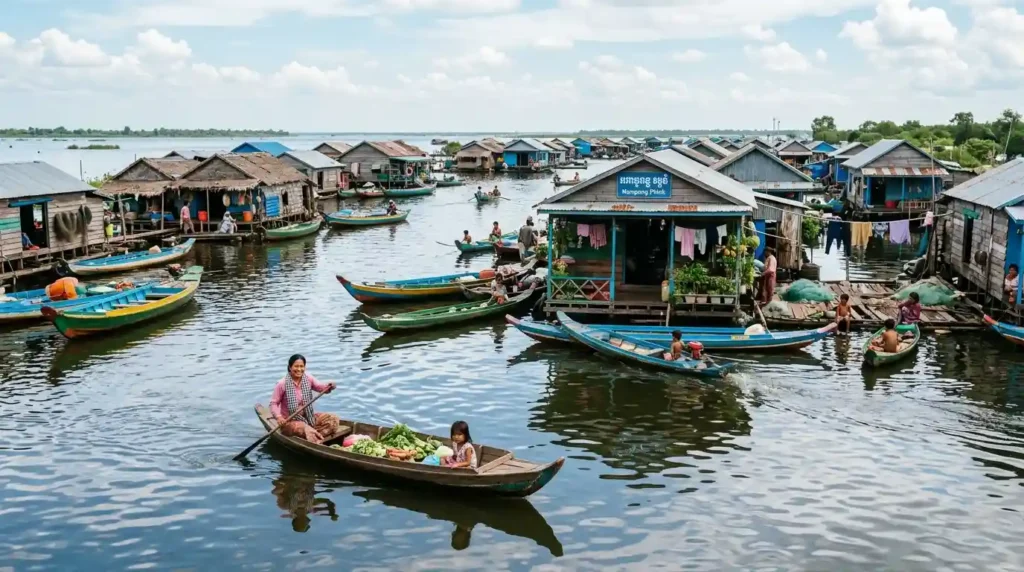
Because the Tonle Sap Lake changes size so dramatically, local communities have adapted cleverly. Entire villages actually float on top of the water. Houses, schools, churches, and even mechanics operate on floating bamboo rafts and oil drums.
When the water levels rise and fall, entire communities pack up and tow their structures to new locations along the changing shoreline. Children learn to paddle small wooden canoes almost as soon as they learn to walk.
Life on the water requires incredible resourcefulness. Villagers farm fish in submerged cages right beneath their living rooms and collect rainwater for daily household use. Visiting these communities offers a glimpse into human adaptation at its absolute finest.
Tuk-Tuks are the Ultimate Urban Transportation
Navigating busy city streets in Phnom Penh or Siem Reap is an adventure in itself. While taxi cabs exist, the auto-rickshaw known as the tuk-tuk reigns supreme. These vehicles consist of a motorcycle pulling a small two-wheeled carriage.
Riding in a tuk-tuk provides built-in air conditioning thanks to the open breeze. Drivers navigate narrow alleyways and crowded traffic jams with incredible skill, making them the most practical choice for short trips.
Modern technology has transformed how people catch a ride. Today, local ride-hailing apps allow travelers to book a ride with a tap on their mobile phone, blending traditional street culture with modern digital convenience.
Insects and unfamiliar Delicacies are Common Snacks.
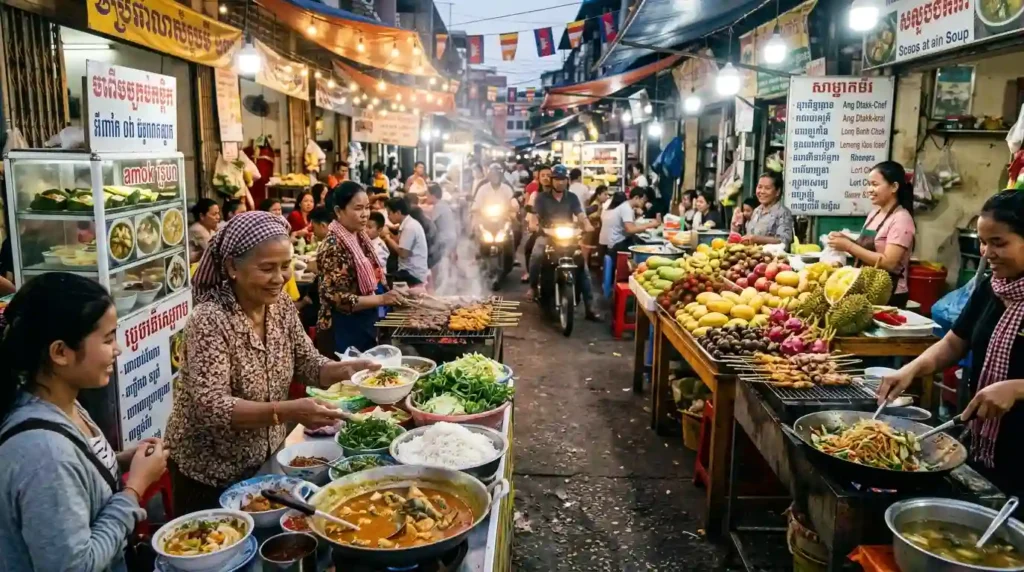
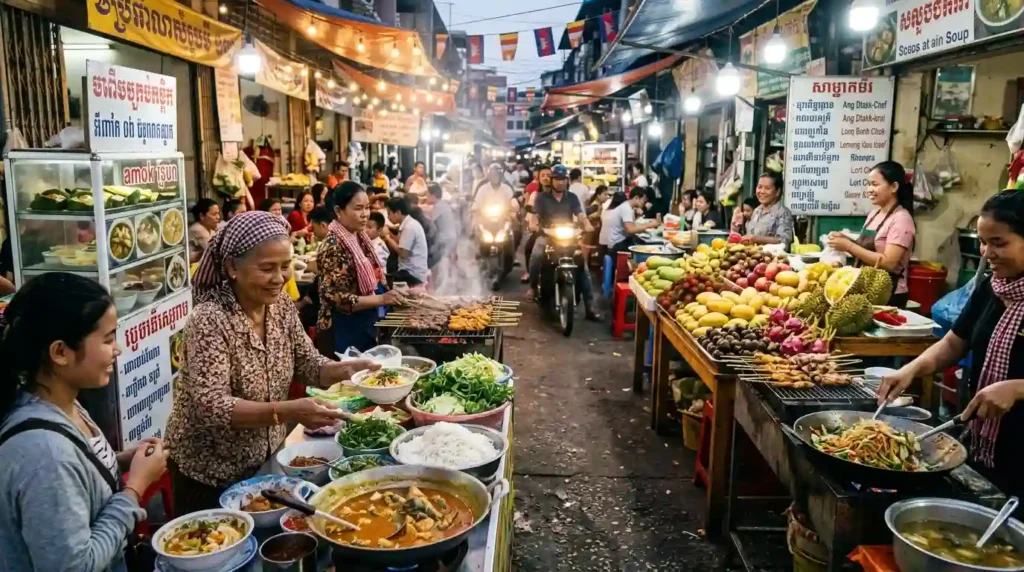
Food culture here goes way beyond standard rice and noodle dishes. Deep-fried insects are widely enjoyed as crunchy, protein-packed snacks across many regional markets.
If you wander through the famous night markets, you will find vendors selling a wide variety of fried treats:
- Crispy tarantulas seasoned with garlic and salt
- Crunchy grasshoppers tossed in chili flakes
- Savory silkworms roasted to perfection
- Tiny scorpions served on bamboo skewers
Many of these snacks became popular during times of food scarcity, so foreigners might feel a bit hesitant at first. Today, they remain a popular street food option that offers an unmistakable crunch and rich nutritional value.
People Do Not Traditionally Celebrate Birthdays
In many Western cultures, birthdays are marked with big parties, cakes, and gifts. However, older generations here historically did not track their individual birth dates in the same way.
Instead of celebrating individual days, many older adults only recognized the turning of the Lunar New Year as the moment everyone gained an extra year of age. In rural areas, people rarely kept exact birth records, so many older citizens know only their birth year rather than their exact birth day.
Younger generations in urban areas are gradually adopting Western-style birthday parties thanks to global media. Yet, the traditional view that wisdom and collective life experience matter far more than an individual calendar date persists.
The New Year Celebration Happens in April
While much of the world celebrates the New Year on January 1st, the Khmer New Year takes place in mid-April. Known locally as Chaul Chnam Thmey, this three-day holiday marks the end of the traditional harvest season.
It is a time of immense joy, cleaning, and spiritual renewal. Families travel back to their home provinces to visit elders, clean family altars, and splash water on one another as a symbol of cleansing away past bad luck.
During the festival, normal business stops across the country. Streets fill with people playing traditional games, dancing to folk music, and throwing colored powder or water at passersby in good-natured fun.
A Language Without an Alphabet
The official language, Khmer, uses a unique writing system that surprises language enthusiasts. It does not use a traditional alphabet like English does. Instead, it relies on an abugida script derived from ancient South Indian scripts.
The Khmer script holds the record for having one of the largest sets of symbols in current use. It contains dozens of consonants, independent vowels, and dependent vowels that change sound depending on how they attach to other letters.
Despite its complex writing system, spoken Khmer has a distinct structural advantage for learners: it is not a tonal language. Unlike neighboring Thai or Vietnamese, where altering your vocal pitch changes the meaning of a word, Khmer words keep the same meaning regardless of your tone.
The World’s Rarest Freshwater Dolphins Live Here
The Mekong River is home to the critically endangered Irrawaddy dolphin. These incredible aquatic mammals look strikingly different from common ocean dolphins, featuring rounded heads and smooth, beakless faces.
A small surviving population inhabits a short stretch of the river near the northern town of Kratie. Environmental conservation programs work closely with local fishermen to protect these gentle creatures from deep-water gill nets.
Watching an Irrawaddy dolphin surface for air against a quiet river sunset is a breathtaking experience. Eco-tourism efforts now provide alternative income for local communities, helping ensure these rare animals stay protected.
A Surprising Currency System
If you pull out cash to pay for items in local stores, you might receive two different currencies in your change. The country operates on a dual-currency system that seamlessly blends the US Dollar with the local Cambodian Riel.
People commonly price and pay for major purchases, hotel bills, and restaurant tabs in US dollars. For small everyday items or amounts under one dollar, vendors usually give change in Riel notes.
No coins circulate in everyday transactions. People use only paper bills, making cash easy to carry once you get used to converting exchange values in your head.
Bamboo Trains Built by Local Ingenuity
In the rural countryside of Battambang, people created one of the most clever DIY transportation systems in history: the Norry, commonly called the bamboo train.
When official rail services were unreliable, locals built their own small rail vehicles using leftover train tracks. These platforms consist of a simple bamboo frame, two sets of metal wheels, and a small gasoline engine connected by a rubber belt.
- A bamboo train can reach speeds up to 25 miles per hour.
- If two trains meet on the same single track, the train with fewer passengers is disassembled in under two minutes to let the other pass.
- Once the path is clear, the platform is reassembled on the track to keep moving.
What started as an informal way to transport crops and light cargo has turned into a world-famous attraction for travelers seeking an authentic local experience.
Cambodian Culture Fact Sheet
Cambodian culture is deeply rooted in thousands of years of rich history, heavily influenced by Theravada Buddhism, ancient Khmer traditions, and a strong sense of community. From unique culinary traditions and traditional attire to sacred rituals and historic arts, daily life in Cambodia reflects a harmonious balance between spiritual heritage and practical everyday living.
Traditional Attire and Everyday Symbols
The most iconic symbol of daily Cambodian life is the Krama, a traditional multi-purpose checkered scarf. Worn by people across rural and urban areas alike, the Krama is far more than a fashion item—it functions as a sun shield, sweat towel, baby hammock, and head pad for carrying heavy loads. Alongside traditional silk garments like the Sampot, these textiles represent a centuries-old weaving heritage that remains central to Cambodian identity.
Spiritual Foundations and Social Values
Buddhism forms the cornerstone of Cambodian society, guiding daily interactions, social etiquette, and family structures. Respect for elders is paramount, often demonstrated through the traditional Sampeah greeting (pressing palms together with a slight bow). Religious life revolves around local pagodas (Wats), which serve as community hubs for festival gatherings, ancestral honoring rituals like Pchum Ben, and spiritual guidance.
Culinary Heritage and Natural Harmony
Cambodian cuisine, or Khmer food, focuses on achieving a subtle balance of sweet, salty, sour, and bitter flavors. Built around fresh river fish and rice, signature dishes like Fish Amok highlight the country’s intimate connection to its abundant waterways, particularly the Mekong River and Tonle Sap Lake. Meals are traditionally shared family-style, emphasizing unity, hospitality, and respect for nature’s resources.
The Story Behind the Traditional Krama Scarf
Everywhere you go in rural villages, you will see people wearing a checkered cloth around their necks, wrapped around their heads, or tied at the waist. This versatile item is called a krama, and it is an essential piece of national attire.
The krama is far more than a simple fashion accessory. It serves dozens of practical functions for everyday outdoor workers:
- Protecting the neck and face from the hot tropical sun
- Serving as a soft towel to wipe away sweat during hard field labor
- Acting as a protective pad when carrying heavy baskets on the head
- Doubling as a makeshift hammock or baby sling for infants
Made from woven cotton or silk, these scarves are durable and cheap to produce. The traditional pattern features red and white or blue and white checks, although modern versions come in almost every color combination imaginable.
Ancient Magic and Sacred Sak Yant Tattoos
Long before modern ink culture arrived, traditional sacred tattooing known as Sak Yant was practiced throughout the Khmer Empire. Warriors would cover their bodies in intricate geometric designs and sacred prayers before marching into battle.
These tattoos are believed to confer magical protections, including physical strength, good fortune, and immunity from physical harm. Traditional practitioners use a long metal spike or bamboo rod to tap the ink deep into the skin while chanting sacred mantras.
Even today, many people still seek out traditional spiritual masters to receive these sacred markings. The process involves strict spiritual rules that the wearer must follow to keep the magic active throughout their life.
A Sanctuary for Endangered Asian Elephants
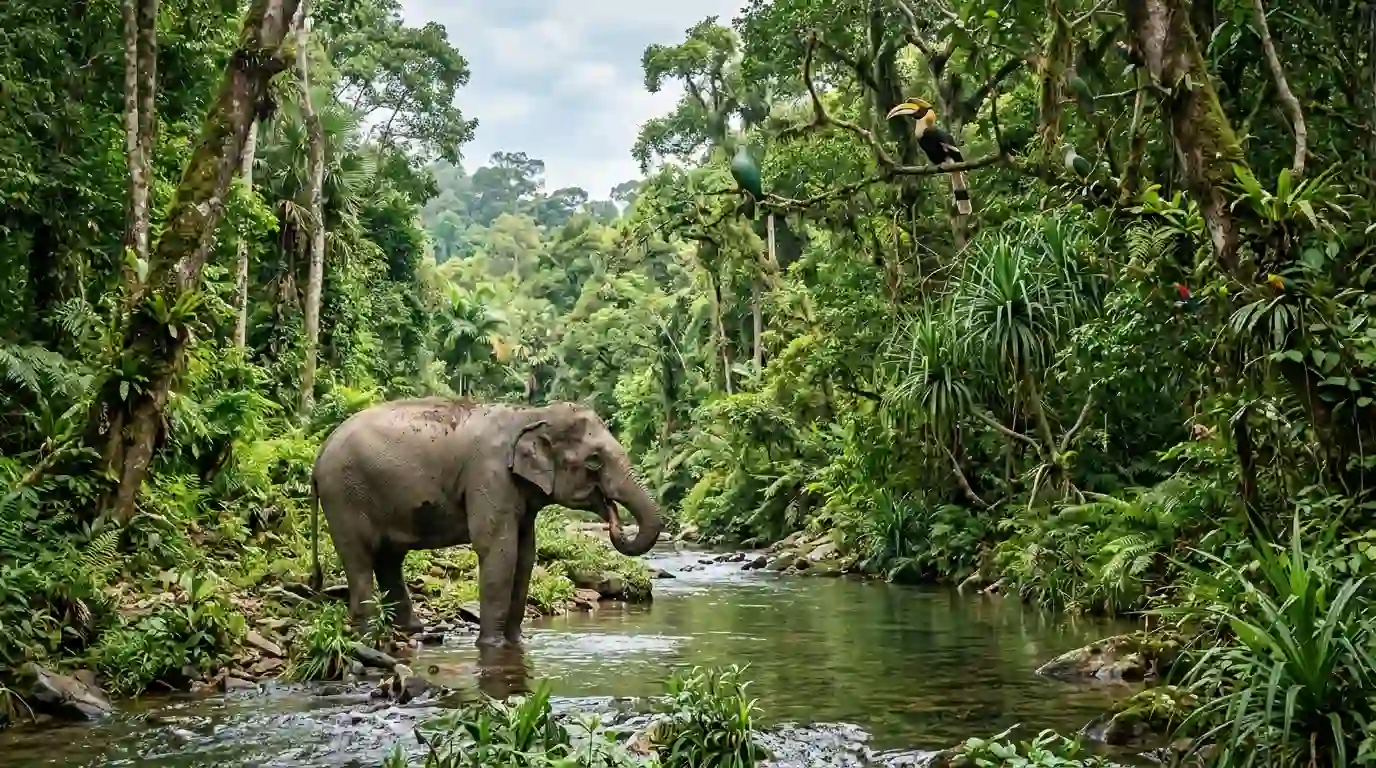
Deep within the lush forests of Mondulkiri province, sanctuary programs work tirelessly to rescue domestic elephants from decades of logging labor and heavy riding tours. These peaceful havens allow rescued animals to roam free in natural jungle habitats.
Visitors can observe these magnificent giants as they bathe in natural rivers, forage for wild vegetation, and socialize with other herd members. Ethical sanctuaries emphasize passive observation over riding, teaching travelers about animal welfare and habitat preservation.
The presence of wild elephant herds in protected national parks highlights the region’s immense biodiversity. Protecting these forest corridors remains a top priority for international conservation teams.
The World-Famous Fish Amok Culinary Tradition
No journey through local culture is complete without sampling the national dish, Fish Amok. This flavorful culinary creation showcases the incredible depth of Southeast Asian spice profiles.
Fresh freshwater fish fillet is coated in a rich curry paste made from lemongrass, turmeric, galangal, kaffir lime, and coconut milk. The mixture is wrapped inside a folded banana leaf cup and gently steamed until it reaches a delicate, custard-like texture.
The result is a subtle, fragrant flavor profile that is creamy rather than fiery hot. It perfectly reflects the local approach to cooking, which balances fresh regional herbs with savory coconut elements.
Giant Magic Mushrooms and Ancient Forest Roots
If you have ever seen pictures of massive tree roots wrapping around ancient stone temples, you are looking at Ta Prohm. This iconic temple complex was left largely in its natural state, showcasing the raw power of nature over human engineering.
Huge silk-cotton and strangler fig trees sprout directly out of the stone roofs, sending thick roots wrapping around ancient walls. The sight feels like something out of a fantasy movie, demonstrating how quickly the jungle can reclaim stone monuments over time.
Preservation teams work hard to strike a delicate balance between stabilizing the crumbling stone walls and maintaining the wild, overgrown appearance that visitors love.
The Traditional Dance That Tells Ancient Legends
Apsara dancing is one of the most elegant classical art forms found in Southeast Asia. Originating from ancient Hindu and Buddhist mythology, Apsaras are celestial nymphs who dance to entertain gods and royalty.
The movements are slow, graceful, and incredibly precise. Dancers wear elaborate golden headpieces and hand-woven silk dresses while executing intricate hand gestures that tell complex stories without using a single word.
- Dancers begin training in early childhood to build flexibility in their fingers and ankles.
- Certain hand positions represent specific natural elements like blooming flowers, fruits, or flying birds.
- The art form was almost lost in the late 20th century but has seen an incredible revival thanks to dedicated masters.
Attending a live Apsara dance performance offers a stunning visual journey into ancient royal court traditions.
Pepper That Fine Dining Chefs Swear By
Food enthusiasts worldwide know Kampot province for producing some of the finest black pepper on the planet. Kampot Pepper holds a protected geographical status, similar to champagne in France.
The unique combination of quartz-rich soil, coastal sea breezes, and organic farming techniques creates a pepper with an exceptionally rich, complex aroma. It offers layers of fruity undertones along with its signature sharp heat.
Top culinary chefs across Paris, New York, and Tokyo specifically order this pepper for high-end cuisine. Visiting a local pepper plantation allows you to taste fresh green peppercorns straight from the vine.
A History Marked by Resilient Recovery
While the nation boasts ancient glory, its modern history includes deep tragedy. During the late 1970s, the country suffered immense hardship under a brutal regime that devastated its infrastructure, culture, and population.
Despite these recent dark times, the resilience of the local people shines through in every aspect of modern life. The nation has rebuilt its schools, revived traditional arts, and established a thriving economy driven by tourism, agriculture, and manufacturing.
Visiting historical memorial sites provides essential context for understanding the strength and hope that define the modern population. It reminds travelers of the human spirit’s ability to heal and rebuild.
Unique Wedding Celebrations That Last for Days
Traditional weddings here are not brief, afternoon affairs. A full traditional wedding celebration historically lasted up to three days, though modern versions are often compressed into two action-packed days.
The event involves multiple ceremonies, frequent outfit changes, traditional music performances, and elaborate banquets for hundreds of guests:
- The hair-cutting ceremony to symbolize a clean start for the new couple
- The ring exchange and honoring of ancestors
- The wrist-tying ceremony where guests tie red string for good luck
- A massive evening banquet filled with music, dancing, and toasts
The vibrant colors of the traditional silk garments worn by the bride and groom make these weddings a stunning visual spectacle.
The Massive Underground Cave Systems
Deep within the limestone mountains of Battambang and Kampot lie vast cave networks filled with natural beauty and historical importance. These subterranean passages contain unique rock formations, hidden shrines, and massive bat colonies.
At Mount Sampeau near Battambang, millions of bats exit the cave system every evening at sunset. The continuous stream of bats pouring into the night sky lasts for over forty-five minutes, creating a mesmerizing natural ribbon across the horizon.
This nightly bat flight plays a critical ecological role by consuming tons of crop-damaging insects every evening, supporting local farmers across the surrounding valleys.
The Land of Unique Freshwater Fish Species
Thanks to the Mekong River and Tonle Sap system, local waters support an incredible diversity of freshwater fish. It ranks among the top inland fisheries anywhere in the world.
Among these aquatic species is the Giant Mekong Catfish, one of the largest freshwater fish species known to science. These enormous creatures can grow up to nearly ten feet in length and weigh over six hundred pounds.
Local fishing communities rely heavily on this rich biodiversity for their daily protein intake and economic livelihood, making sustainable river management vital for future generations.
Practice Exercise
1. What is the capital city of Cambodia?
A) Phnom Penh
B) Siem Reap
C) Battambang
D) Kampot
2. Which famous temple complex is located in Cambodia?
A) Angkor Wat
B) Taj Mahal
C) Petra
D) Colosseum
3. Which language is the official language of Cambodia?
A) Khmer
B) Thai
C) Vietnamese
D) Lao
4. Which river flows through Cambodia’s capital, Phnom Penh?
A) Mekong River
B) Nile River
C) Amazon River
D) Danube River
5. What is the currency of Cambodia?
A) Riel
B) Baht
C) Dong
D) Kip
6. Cambodia is located in which region of Asia?
A) Southeast Asia
B) Central Asia
C) South Asia
D) West Asia
7. Which body of water is located along Cambodia’s southwest coast?
A) Gulf of Thailand
B) Arabian Sea
C) Red Sea
D) South China Sea
8. What is a popular traditional Cambodian dance known for graceful movements?
A) Apsara dance
B) Flamenco
C) Hula
D) Tango
9. Which animal is strongly associated with Cambodia’s history and culture?
A) Elephant
B) Polar bear
C) Penguin
D) Kangaroo
10. What is the national flag of Cambodia known for featuring?
A) Angkor Wat
B) Eiffel Tower
C) Great Wall
D) Mount Fuji
Answer Key
- A
- A
- A
- A
- A
- A
- A
- A
- A
- A
FAQs
What are some interesting Cambodia fun facts for travelers?
Cambodia is home to Angkor Wat, the world’s largest religious building. It also features a river that reverses its flow direction, a dual-currency system using US Dollars, and delicious traditional street foods like fried insects.
Why does the Tonle Sap River reverse its flow direction?
Heavy monsoon rains swell the Mekong River so dramatically that excess water forces the Tonle Sap River to run backward. This natural cycle expands the Tonle Sap Lake and creates a thriving ecosystem for fish.
Is Angkor Wat featured on the national flag?
Yes, Angkor Wat is prominently displayed at the center of the national flag. Cambodia is one of only three nations in the world to feature an actual building on its official flag design.
What currency should you use when visiting?
Both US Dollars and Cambodian Riel are widely accepted across the nation. US Dollars are commonly used for larger transactions, while local Riel is given back as change for small amounts.
What is a traditional Krama scarf used for?
A Krama is a versatile checkered fabric used for sun protection, wiping sweat, carrying items, and swaddling infants. It is an essential item worn daily by rural communities.
What is the primary religion practiced in Cambodia?
Theravada Buddhism is practiced by roughly 95% of the total population. It deeply influences daily social interactions, local customs, architectural styles, and traditional holidays throughout the country.
Conclusion
Exploring these Cambodia fun facts shows just how unique, vibrant, and surprising this nation truly is. From massive ancient stone monuments to clever floating villages and reversing rivers, the country offers endless wonder for anyone interested in global culture.
Understanding these rich traditions makes any future journey far more meaningful. Whether you hope to travel there soon or simply enjoy learning about the world, these insights reveal a country filled with warmth, history, and resilience.
Now that you know these Cambodia fun facts, share them with fellow travel lovers or start planning your own adventure to see these amazing sights in person!

Ethan Danial is the creator and lead writer behind FunWhirls.com, a fun-focused platform dedicated to entertaining ideas, fascinating facts, funny moments, creative lists, and content that sparks curiosity. With a genuine love for discovering interesting and unexpected topics, Ethan enjoys turning simple ideas into engaging content that readers can enjoy, learn from, and share. His approach is centered on making every article easy to read, enjoyable, and worth coming back to.
At FunWhirls.com, Ethan Danial explores the lighter and more entertaining side of everyday life. He creates content for readers who love discovering something new, having a quick laugh, or simply taking a break from the ordinary. From curious facts to playful ideas and entertaining discoveries, Ethan aims to keep the content fresh, positive, useful, and engaging for readers of all kinds.