
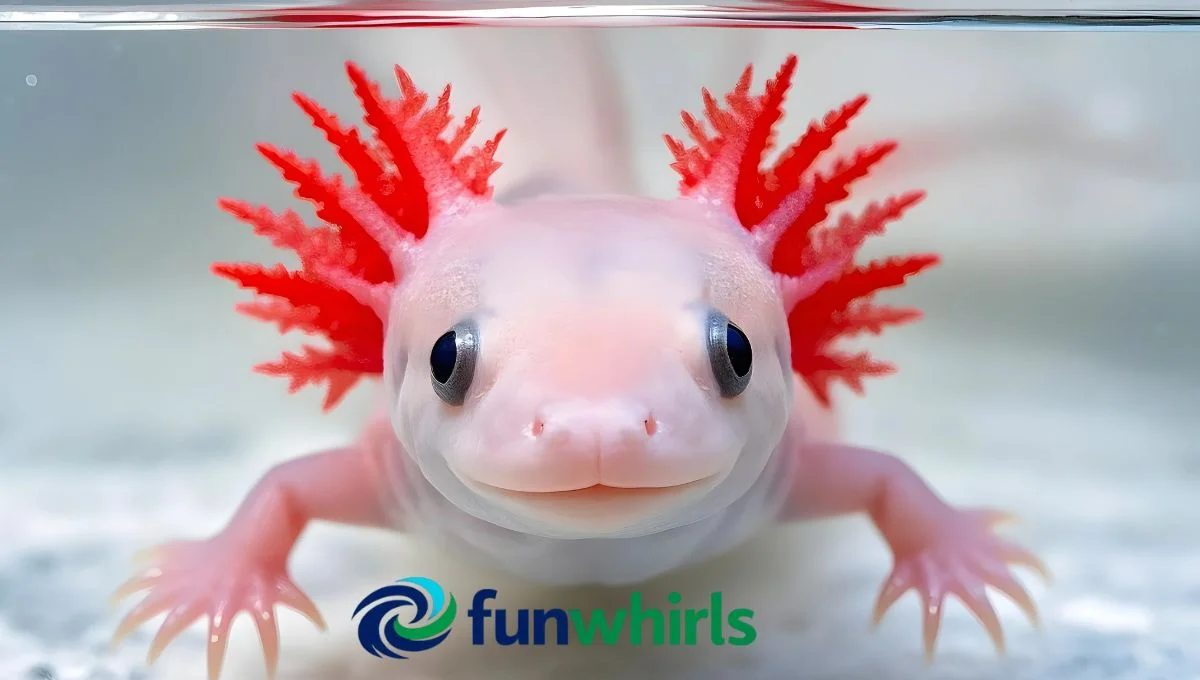
Discovering exciting axolotl fun facts reveals why these aquatic salamanders capture global attention with their permanent smiles, underwater lifestyles, and mind-blowing body regeneration. From ancient Aztec legends to modern medical research, axolotls stand out as some of the most extraordinary, fascinating creatures on our planet.
Have you ever seen a creature that looks like a real-life Pokémon wearing a permanent, sweet smile on its face? Every fresh axolotl fun discovery reveals why millions of people around the world have fallen in love with these adorable aquatic salamanders.
These gentle water dwellers do far more than just look cute in home aquariums or video games. Uncovering an axolotl’s fun secret opens up a world of fascinating biology, ancient mythology, and cutting-edge medical science.
Whether you are thinking about bringing one home as a pet or just love strange animal trivia, you are in for a treat. Let’s explore the unbelievable secrets, chaotic abilities, and daily habits that make axolotls so special.
Biological Marvels of the Aquatic Peter Pan
Most amphibians grow up, lose their gills, and hop out of the water to live on dry land. The axolotl takes a completely different path in life that scientists call neoteny.
They basically decide to remain underwater babies forever while still growing into full adulthood.
This unique lifestyle choice makes them one of the most remarkable animals in the biological world.
The Forever Baby Lifestyle Known as Neoteny
In regular salamanders, a special chemical signal tells their bodies to transform from water-dwelling larvae into land-dwelling adults. Axolotls lack the hormone signal needed to trigger this dramatic physical metamorphosis.
Because of this hormonal quirk, they keep their juvenile swimming tails and feathery external gills for their entire lives.
They grow bigger and become adults capable of breeding, all while remaining completely aquatic.
What Happens When an Axolotl Metamorphoses?
In rare laboratory settings, scientists can give axolotls thyroid hormones to force them to transform into terrestrial salamanders. When this happens, their feathery gills shrink and vanish, their lungs mature, and their skin thickens for land life.
However, forcing this transformation is very stressful for the animal and significantly shortens its natural lifespan.
Under normal conditions in nature, axolotls are happiest staying in their underwater juvenile form forever.
Regeneration Powers That Sound Like Science Fiction
If a human loses a finger or a limb, our bodies can only grow scar tissue over the injury site. Axolotls possess incredible healing powers that allow them to regrow complete limbs, tails, and even organs.
If an axolotl loses a leg in a scrap with a neighbor, it grows a brand-new leg within a few months.
The new leg functions perfectly, complete with bones, muscles, nerves, and blood vessels.
Healing Hearts and Brains Without Leaving Scars
The axolotl’s regenerative powers go way beyond just regrowing lost toes or legs. Scientists have discovered that these amazing creatures can heal damaged heart tissue, spinal cords, and parts of their own brains.
When an injury occurs, special cells rush to the wound and revert to flexible stem cells.
These stem cells then transform into whatever tissue type is needed to rebuild the damaged organ perfectly without any scar tissue.
Feathery External Gills That Act Like Lungs
Those cute, branch-like crowns that stick out from both sides of an axolotl’s head are actually its external gills. These feathery structures are lined with tiny blood vessels that pull oxygen directly from the surrounding water.
When water oxygen levels drop, you might see your axolotl gently flick its gills to catch a fresh current.
Interestingly, axolotls also have basic lungs and will occasionally float up to the surface to gulp a mouthful of air!
Color Varieties That Brighten Up the Tank
In the wild, natural axolotls feature dark green, brown, or black skin patterns that help them blend into muddy lake bottoms. However, selective breeding by scientists and pet lovers has created a colorful spectrum of domestic morphs.
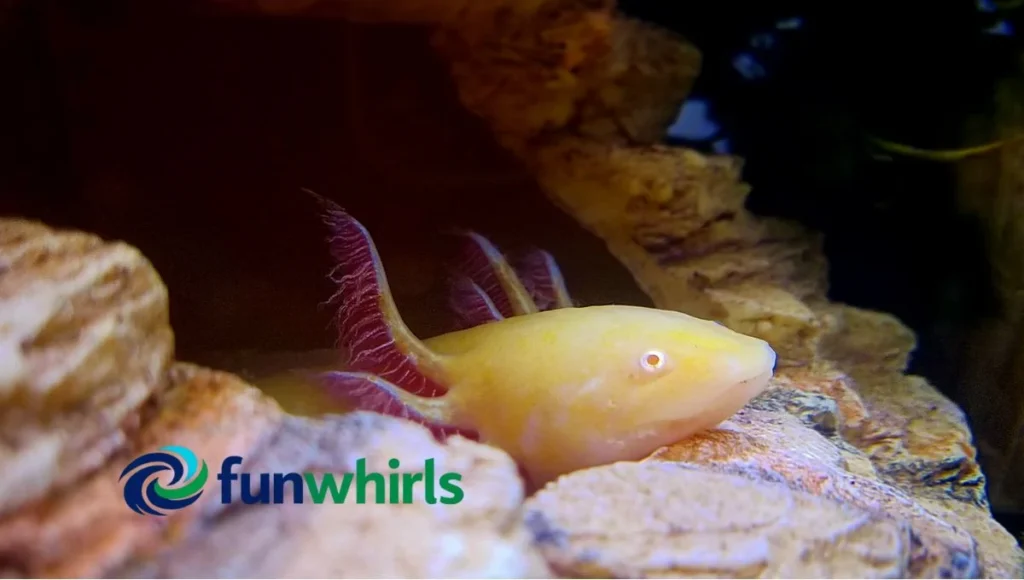
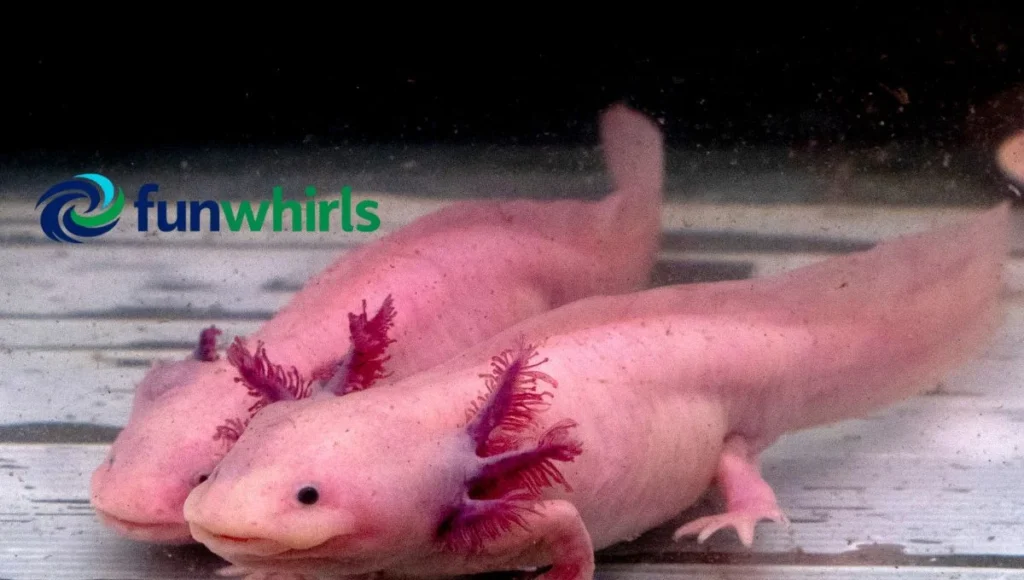
Popular domestic colors include leucistic (pinkish-white with dark eyes), albino (yellow-gold with pink eyes), and melanoid (solid dark black).
Some leucistic axolotls even have shiny, metallic patches along their skin called iridophores that glisten under tank lights.
The Vacuum Cleaner Method of Eating Food
Axolotls do not have sharp teeth for chewing or tearing their food into small pieces. Instead, they use a hilarious suction feeding technique that works just like an underwater vacuum cleaner.
When food floats near their faces, they snap their mouths open wide, creating a sudden pressure vacuum that sucks in water and prey together.
If you feed them floating pellets or earthworms, you will hear a distinct snapping pop sound as they gulp their meal down.
Glowing Under UV Lights with Jellyfish Genes
In scientific research labs, biologists engineered special axolotls that actually glow bright green under ultraviolet blacklights. Researchers accomplished this by inserting a green fluorescent protein gene from a glowing jellyfish into axolotl embryos.
This genetic tweak allows scientists to trace stem cells in real-time as the animal regrows tissues and organs.
It looks like something straight out of a sci-fi movie, but it serves a vital purpose in modern medical research.
Ancient Mythology and Mexican Cultural Roots
Long before axolotls became global internet stars and popular aquarium pets, they held a sacred place in ancient Aztec culture. The history of these unique creatures is tied directly to the high-altitude lakes of central Mexico.
Understanding their cultural story helps us appreciate how deeply connected these animals are to human history.
Their native habitat tells a dramatic tale of natural beauty and modern environmental challenges.
The Aztec Legend of the Fire God Xolotl
According to ancient Aztec mythology, the gods needed to sacrifice themselves to set the sun and moon into motion across the sky. The rebellious fire and lightning god, Xolotl, refused to die and fled into hiding to escape his fate.
He transformed himself first into corn, then into an agave plant, and finally hid underwater as an axolotl salamander.
However, the tracking gods eventually found Xólotl in his aquatic form and banished him to remain in the lake forever.
The Historic Home in Lake Xochimilco
In the wild, axolotls historically lived in only one place in the entire world: Lake Xochimilco and Lake Chalco near Mexico City. These high-altitude freshwater lakes offered cool temperatures, calm currents, and abundant aquatic vegetation for hiding.
Aztec civilizations built massive floating farm islands, called chinampas, throughout these shallow lake systems.
The axolotls thrived in the muddy canals surrounding these floating gardens for hundreds of years.
Wild Population Struggles and Conservation Efforts
Sadly, wild axolotls are currently listed as critically endangered due to rapid urban expansion around Mexico City. Pollution, habitat loss, and invasive fish species like carp and tilapia have devastated the native wild population.
These invasive fish eat young axolotl eggs and compete fiercely for the same food sources in the canals.
Local conservation groups are now working hard to clean the historic canals and build safe, protected sanctuaries for wild axolotls.
Axolotls in Modern Pop Culture and Games
You do not need to visit a museum or aquarium to encounter an axolotl in modern everyday life. These adorable creatures have taken over social media feeds, plush toy shelves, and famous video game universes.
Their sweet, smiling faces make them instant fan favorites across all age groups globally.
Their digital fame has inspired millions of young gamers to take an interest in amphibian biology and animal conservation.
Minecraft’s Iconic Underwater Mob Addition
In 2021, the hit video game Minecraft added axolotls as interactive underwater mobs during its major Caves & Cliffs update. Game developers included five distinct color morphs, including the super-rare blue axolotl that players love to breed.
In the game, players can scoop axolotls into water buckets and take them on underwater adventures to fight ocean guardians.
This popular gaming update introduced these unique salamanders to tens of millions of kids and teenagers worldwide.
The Pokémon Inspiration Behind Mudkip and Wooper
Long before Minecraft, game creators drew heavy inspiration from axolotls when designing iconic monster franchises like Pokémon. The beloved creature Wooper, along with its water-ground evolution line, shares distinct feathery gills and a smiling face inspired by axolotls.
Likewise, the popular Hoenn starter Pokémon Mudkip features orange cheek gills and finned tails based on amphibian traits.
These video game characters helped build worldwide affection for real-world salamanders decades before social media blew up.
Axolotl Trait and Habit Comparison Overview
To help you understand how axolotls compare to regular terrestrial salamanders across key biological areas, here is a breakdown of their main differences.
Aquarium Care Essentials for Happy Pets
Bringing an axolotl into your home as an aquatic pet can be a rewarding experience, but they require specific care. They are not like standard tropical fish, and setting up their aquarium properly takes careful planning.
Providing the right environment keeps your pet healthy, active, and stress-free for many years.
Here are the critical care requirements you must know before buying your first pet axolotl.
Keeping the Water Cool and Chilled
Axolotls are cold-water animals that suffer severe health stress if their tank water gets too warm. Their ideal water temperature range sits between 60 and 68 degrees Fahrenheit at all times.
- Keep the tank far away from direct sunlight, heating vents, and warm appliances.
- Use specialized aquarium cooling fans blowing across the water surface during summer months.
- Invest in an electronic aquarium chiller unit if your room temperatures regularly exceed 72 degrees.
- Never drop ice cubes directly into the tank, as sudden temperature swings shock their system.
Choosing Safe Substrates to Prevent Impaction
Because axolotls feed using a powerful vacuum suction technique, they accidentally gulp up gravel or small stones sitting on the tank bottom. These small rocks get stuck inside their digestive tracts, causing a fatal blockage known as impaction.
To keep your pet safe, either leave the bottom of the tank bare glass or use extremely fine aquarium sand.
Bare-bottom tanks are super easy to clean, while fine sand passes safely through their digestive system without causing harm.
Gentle Filtration and Clean Water Management
Axolotls produce a surprisingly large amount of organic waste, requiring robust water filtration to keep ammonia levels at zero. However, their delicate external gills hate strong water currents, which push them around and cause severe stress.
A low-flow sponge filter or a canister filter with a spray bar diffuser works best for axolotl tanks.
Perform weekly twenty-percent water changes using a quality tap water conditioner that removes chlorine and heavy metals completely.
The Right Diet for a Growing Predator
Axolotls are strict carnivores that thrive on protein-rich animal diets rather than plant flakes or vegetable scraps. In captivity, earthworms and nightcrawlers serve as the absolute best staple diet for adult axolotls.
- Feed adult axolotls one or two fresh earthworms every two or three days.
- Offer soft axolotl sinking pellets as a convenient secondary food source.
- Feed frozen bloodworms or brine shrimp as occasional treats for growing juveniles.
- Remove uneaten food promptly with a net to keep the tank water clean.
Important Handling Rules for Sensitive Skin
Unlike traditional furry pets, axolotls are strict look-but-don’t-touch animals meant for watching rather than cuddling. Their skin is covered in a delicate protective slime coat that shields them from skin infections and parasites.
Human hands carry oils, soaps, and body heat that tear down this sensitive protective slime layer instantly.
Handling them also causes immense psychological stress, so only scoop them using soft mesh nets when tank maintenance requires moving them.
Fun Behavior Quirks You Will Observe Daily
Watching a pet axolotl explore its aquarium offers hours of calm entertainment and funny moments. They display unique behaviors that often surprise first-time owners who expect fish-like movement.
Recognizing these harmless habits helps you enjoy your pet’s quirky personality without worrying unnecessarily.
Here are three entertaining behaviors you will likely see in your home tank.
The Lazy Floating Spaceman Drift
Sometimes you will look at your tank and see your axolotl floating motionlessly near the surface like an astronaut in zero gravity. This behavior, often called the “spaceman float,” is completely normal as long as the animal can easily swim back down.
They gulp a little air into their basic lungs, giving them neutral buoyancy to float effortlessly around the plants.
It looks hilarious and simply means your pet is relaxing comfortably in its aquatic home.
The Yawning Motion That Stretches Their Jaws
Now and then, an axolotl will open its mouth surprisingly wide in a slow, dramatic yawning motion. While it looks like they are tired or stretching after a long nap, they are actually adjusting their jaws or clearing its throat.
This yawning action flushes fresh water through their mouth cavity and resets their gill placement.
It makes for fantastic photos if you happen to have your phone camera ready at the right moment!
The Happy Dance During Feeding Time
Axolotls quickly learn to associate their human owners with delicious earthworm meals floating down from above. When you walk up to the tank, your pet might perform an adorable “happy feeding dance” near the front glass.
They wiggle their back legs, flick their feathery gills eagerly, and follow your hands with their big dark eyes.
This interactive personality makes them feel much more like aquatic puppies than silent aquarium animals.
Practice Exercise (10 MCQs)
Test your knowledge about axolotl biology, history, and care requirements with this fun ten-question quiz!
- What scientific term describes the axolotl’s ability to retain juvenile traits into adulthood?
A. Metamorphosis B. Neoteny C. Hibernation D. Symbiosis - In which country are wild axolotls natively found?
A. Brazil B. Australia C. Mexico D. Japan - What unique physical ability makes axolotls famous in medical research laboratories?
A. Flying short distances B. Regrowing lost limbs and organs C. Changing skin color like a chameleon D. Hibernating underground for years - Why is using gravel on the bottom of an axolotl tank dangerous for pet safety?
A. Gravel leaches dangerous toxic metals into water B. Axolotls can swallow gravel and suffer fatal impactions C. Gravel scratches their feathery external gills D. Gravel absorbs too much oxygen from the water - What is the ideal water temperature range for keeping a pet axolotl healthy?
A. 50 to 55 degrees Fahrenheit B. 60 to 68 degrees Fahrenheit C. 75 to 82 degrees Fahrenheit D. 85 to 90 degrees Fahrenheit - Which Aztec god is connected to the historical origin legend of the axolotl?
A. Quetzalcoatl B. Huitzilopochtli C. Xolotl D. Tlaloc - What protein gene was inserted into scientific laboratory axolotls to make them glow under UV light?
A. Jellyfish fluorescent protein B. Firefly lucent protein C. Coral red protein D. Mushroom glow protein - What serves as the absolute best staple food for feeding adult pet axolotls?
A. Flake fish food B. Fresh earthworms C. Crickets and flies D. Lettuce and spinach leaves - Why should you avoid holding or touching your pet axolotl with bare hands?
A. Their bite carries dangerous neurotoxins B. Oils and heat from hands damage their protective slime coat C. They absorb human skin color through contact D. Touching them causes them to drop their tails instantly - Which popular video game introduced millions of players to axolotls in its 2021 update?
A. Fortnite B. Minecraft C. Animal Crossing D. Roblox
Answer Key
- B
- C
- B
- B
- B
- C
- A
- B
- B
- B
Frequently Asked Questions (FAQs)
1. What is the most surprising axolotl fun detail about their bodies?
The most surprising axolotl detail is their mind-blowing ability to regrow complete limbs, spinal cords, heart tissue, and brain parts without leaving scar tissue. Scientists study this cellular regeneration to discover breakthrough treatments for human medical injuries.
2. Can axolotls live out of water on dry land?
No, axolotls are fully aquatic amphibians that must live submerged in cool water permanently. Because they rely on feathery external gills for breathing oxygen, taking them out of water causes immediate suffocation and severe skin drying.
3. How long do pet axolotls usually live in home tanks?
With proper water care, cold temperatures, and good nutrition, pet axolotls typically live between 10 and 15 years. Some exceptionally healthy individuals living in well-maintained home aquariums have even reached up to 20 years of age.
4. Why is my axolotl floating at the top of the tank?
Axolotls often float near the surface simply because they gulped air into their basic lungs for neutral buoyancy. However, if your pet cannot swim back down or floats sideways continuously, it may indicate digestive gas or stress from warm water.
5. Do pet axolotls get lonely if kept alone in a tank?
No, axolotls do not get lonely and prefer living alone in their aquariums without fish or other tank mates. In fact, housing them together can lead to accidental nip injuries, while fish often bite at their feathery external gills.
6. Are wild axolotls extinct in Mexico today?
Wild axolotls are not completely extinct, but they are critically endangered in their native Lake Xochimilco canals. Pollution, urban growth, and invasive fish species have severely reduced wild numbers, making sanctuary conservation efforts essential for survival.
Conclusion
Axolotls are truly remarkable animals with several features that make them stand out from other amphibians. Their aquatic lifestyle, distinctive appearance, and unusual biology make them fascinating creatures to discover.
The world of axolotl fun reveals just how incredible nature can be. Their ability to regenerate certain body parts and their unique development have made axolotls especially interesting to scientists and animal enthusiasts.
Learning axolotl fun facts can also help us understand why protecting these special animals and their natural habitats is important. Wild axolotls face serious challenges, making awareness and conservation valuable for their future.
We hope these facts have made you appreciate axolotls even more. Keep exploring, keep learning, and enjoy discovering the amazing features that make these little aquatic animals so special!

Ethan Danial is the creator and lead writer behind FunWhirls.com, a fun-focused platform dedicated to entertaining ideas, fascinating facts, funny moments, creative lists, and content that sparks curiosity. With a genuine love for discovering interesting and unexpected topics, Ethan enjoys turning simple ideas into engaging content that readers can enjoy, learn from, and share. His approach is centered on making every article easy to read, enjoyable, and worth coming back to.
At FunWhirls.com, Ethan Danial explores the lighter and more entertaining side of everyday life. He creates content for readers who love discovering something new, having a quick laugh, or simply taking a break from the ordinary. From curious facts to playful ideas and entertaining discoveries, Ethan aims to keep the content fresh, positive, useful, and engaging for readers of all kinds.