The Chornobyl power plant disaster of 1986 left behind a ghost zone filled with surprising history. Exploring Chornobyl fun facts reveals how nature reclaimed the abandoned area, how thousands of stray dogs thrive today, and why the site has transformed into a unique hub for scientific research and history buffs.
When you hear about the Exclusion Zone, your mind probably pictures a shadowy wasteland frozen in time. But what if I told you that this abandoned region holds some of the most surprising stories on Earth?
Learning about Chornobyl fun facts opens up a fascinating window into history, biology, and human resilience. It turns out that a place famous for a catastrophe is now overflowing with unexpected discoveries and thriving wildlife.
Whether you love weird history, science, or wildlife recovery stories, these Chornobyl fun facts will change the way you view the famous Ukrainian site forever.
Unbelievable Wildlife Stories in the Exclusion Zone
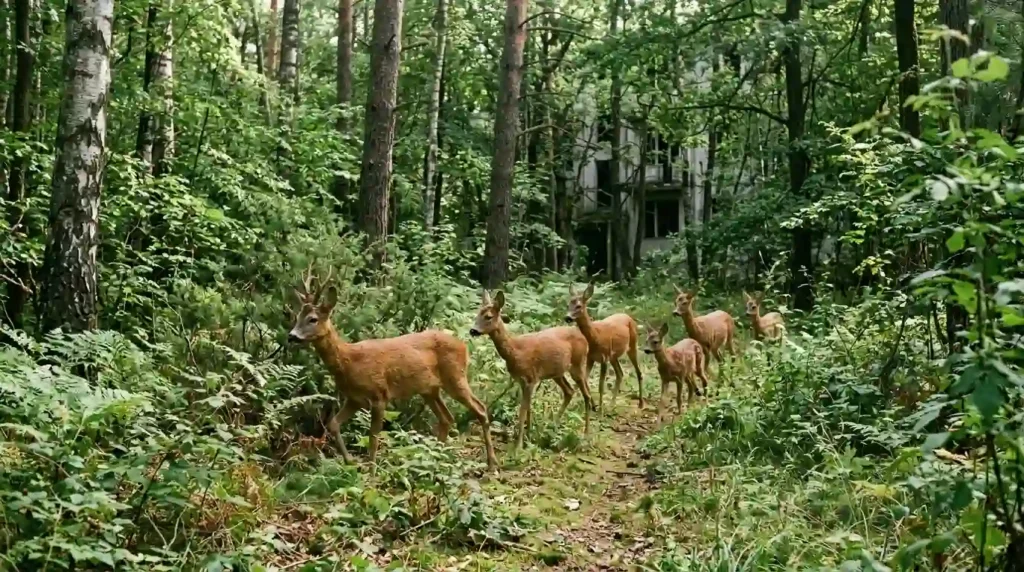
When humans left the region after the 1986 disaster, nature took over massively. The lack of human activity turned the area into a massive haven for animals.
Today, species that were struggling in Western Europe are growing fast inside the 1,000-square-mile zone. It is now one of the largest wildlife sanctuaries on the continent.
Rare Horses Reclaimed the Land
Przewalski’s horses are the last truly wild horses on Earth. Scientists introduced a small herd of 31 horses into the zone back in 1998 to see if they could survive.
Against all odds, the herd flourished without human interference. Today, over 150 of these majestic wild horses roam free through abandoned streets and overgrown fields.
Wolves Own the Red Forest
The area surrounding the nuclear plant is home to a massive population of gray wolves. Researchers estimate that the wolf population inside the zone is seven times higher than in nearby nature reserves.
Without hunters or moving cars around, wolves sit comfortably at the top of the local food chain. They hunt deer, wild boars, and small mammals across empty village ruins.
Birds Adapted to Radiation
You might expect birds living near nuclear sites to suffer severe health issues. However, several species of local birds have adapted to the low levels of background radiation over time.
Scientists found that birds in high-radiation areas produce extra antioxidants to protect their bodies. This natural defense mechanism helps prevent cellular damage and keeps their feathers bright and healthy.
Fungi That Feed on Radiation
One of the strangest biological discoveries inside the damaged reactor is radiotrophic fungi. These black fungi contain high levels of melanin, the same pigment that gives human skin its color.
Instead of relying on sunlight, these unique organisms absorb radiation and turn it into chemical energy to grow. Scientists are currently studying them to help protect astronauts in outer space.
Life Inside the Abandoned City of Pripyat
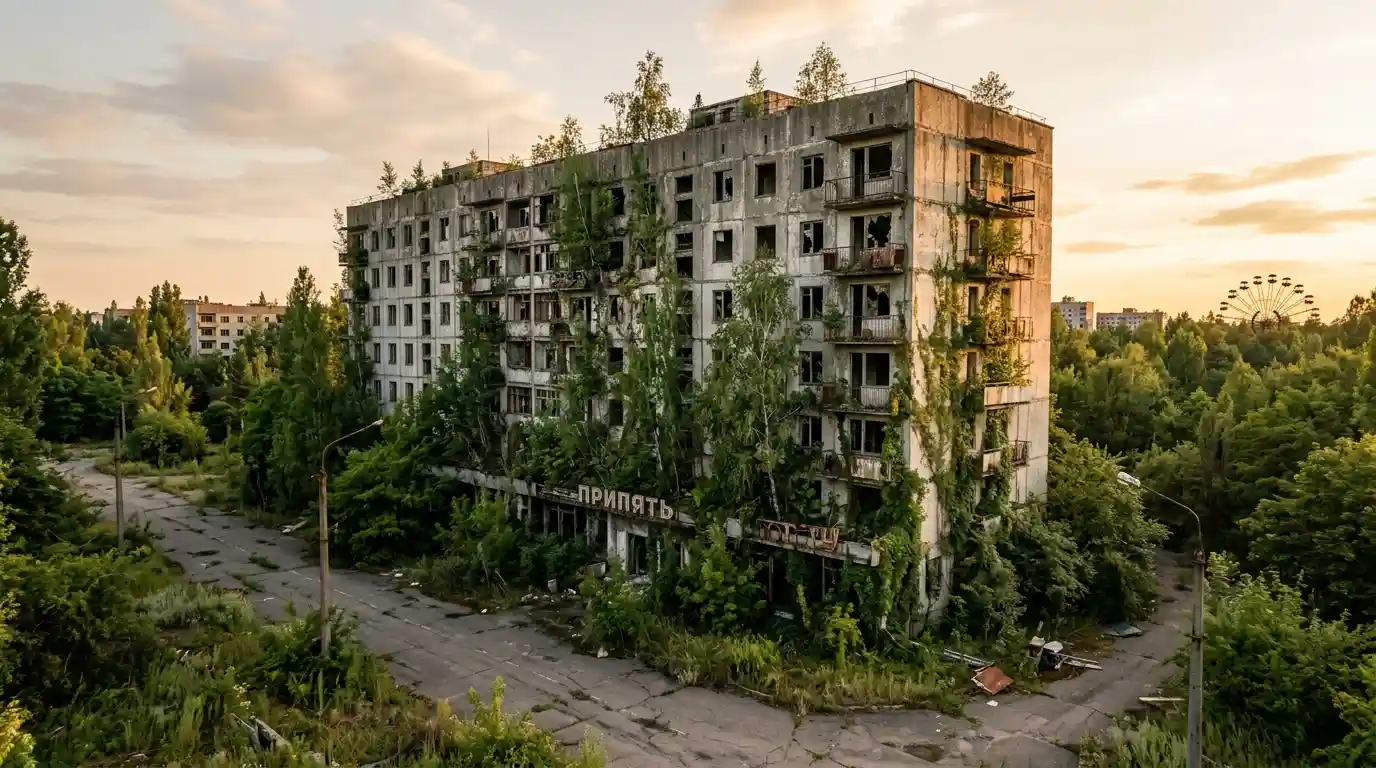
Pripyat was once a modern, beautiful city built specifically for nuclear plant workers and their families. When the evacuation order arrived, over 49,000 residents had to pack up and leave within hours.
Walking through the city today feels like stepping right into a time capsule from the late Soviet era. Everything was left behind just as it was on that fateful day.
The Famous Ferris Wheel Never Turned
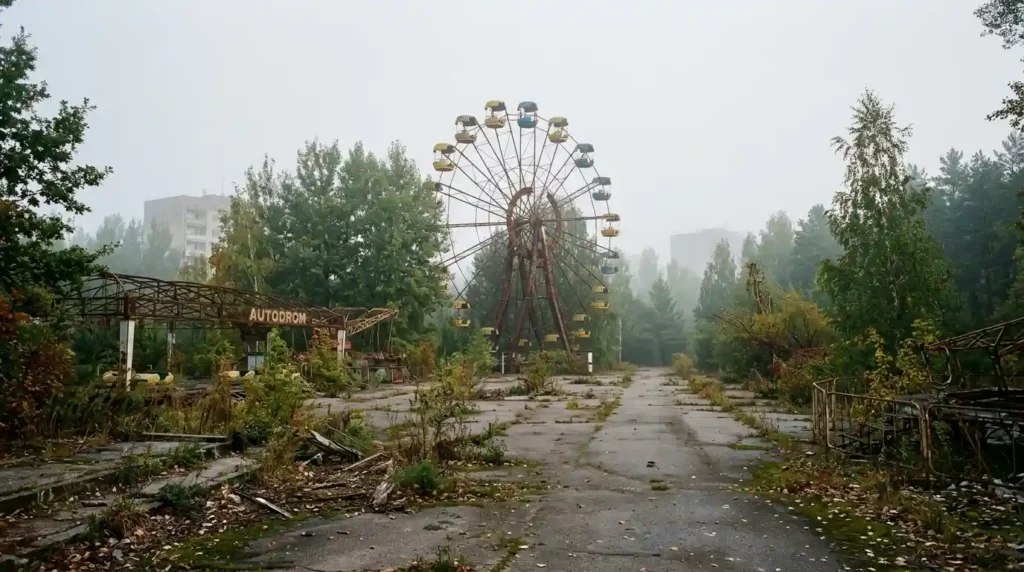
The iconic yellow Ferris wheel in Pripyat’s amusement park is one of the most photographed sights in the world. Most people assume children were riding it when the accident occurred.
In reality, the amusement park was scheduled to celebrate its grand opening on May 1, 1986. The disaster happened just five days earlier, meaning the park was never officially used by the public.
Schools Frozen in Time
Inside the abandoned classrooms of Pripyat, textbooks remain open on wooden desks. Gas masks clutter floorboards, and dusty toys sit quietly on windowsills.
Residents were told they would return in three days, so they left most of their personal items behind. This creates an eerie atmosphere that attracts photographers and historians from around the globe.
Secret Underground Bunkers
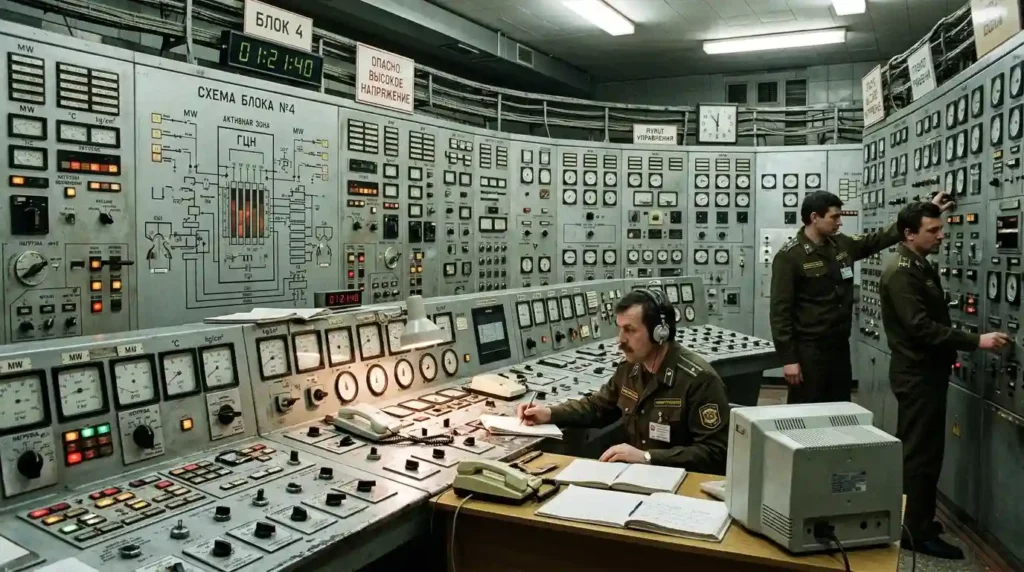
Beneath the city and the reactor complex lies a massive network of underground tunnels and shelters. These command centers were built to withstand heavy military attacks during the Cold War era.
Many of these underground rooms still contain rotary phones, communication radios, and emergency supply crates. They offer a rare look into Soviet emergency planning strategies.
Overgrown Concrete Jungle
Trees now grow straight through the floors of abandoned apartments, gymnasiums, and movie theaters. Nature is steadily breaking down the heavy concrete structures built by human engineers.
Roofs are caving in under the weight of thick moss, and ivy covers the crumbling plaster walls. In a few decades, many of these buildings will collapse completely back into the earth.
Surprising Human Stories and Quirky History
While the radiation forced thousands to flee, human history inside the zone did not stop completely. A few tough individuals made surprising choices regarding their relationship with this land.
Their stories add a deeply human layer to the list of Chornobyl fun facts that many people overlook.
The Resilient Babushkas
Shortly after the mandatory evacuation, around 1,200 older residents snuck past military guards to return home. Mostly older women, known as babushkas, refused to leave their ancestral land.
They grew their own crops, raised livestock, and drank local well water despite warnings from health officials. Remarkably, many of these older women lived long, healthy lives into their nineties.
Friendly Puppies of the Zone
Hundreds of stray dogs roam the roads around the nuclear facility today. These dogs are the direct descendants of pets left behind during the quick evacuation in 1986.
A non-profit organization manages the animal population by providing vaccinations, food, and medical checkups. Workers and visitors often interact with these friendly, tag-bearing pups near checkpoints.
Tourism Before the Pause
Before recent travel restrictions, the area was a booming hot spot for dark tourism. In 2019 alone, over 100,000 tourists visited the zone to see the abandoned sites up close.
Tour guide companies took visitors along strictly safe paths using Geiger counters to measure radiation. Visitors loved taking photos next to iconic landmarks while learning about Soviet history.
Giant Catfish in the Cooling Pond
The massive cooling pond near the plant holds another famous secret: giant Wels catfish. Some of these fish grow over six feet long and weigh more than 100 pounds.
While rumors suggested radiation made them giant, scientists confirmed that their massive size is simply due to a lack of fishing and visitors feeding them bread crumbs for decades.
Incredible Engineering and Technological Facts
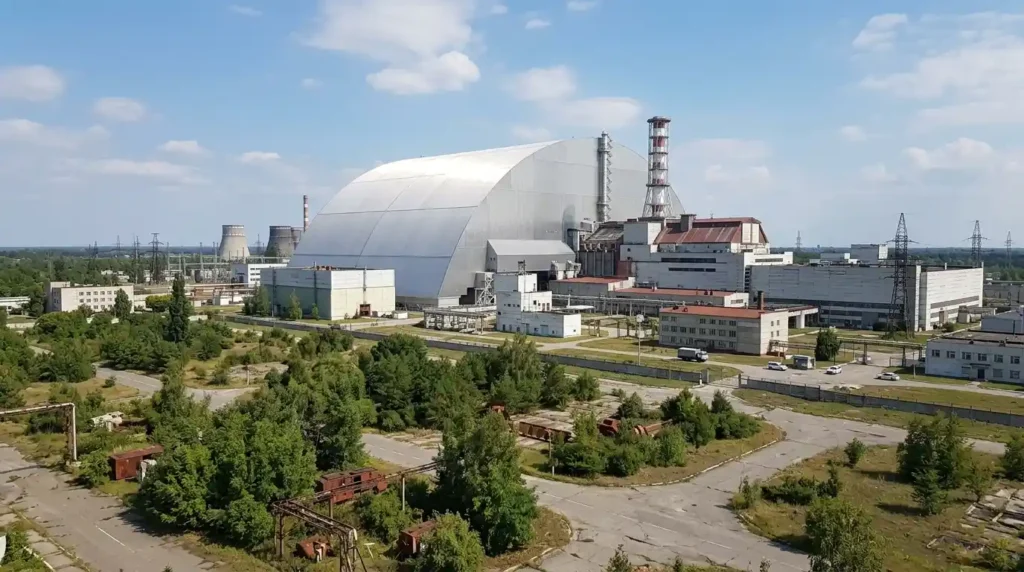
Cleaning up the site required some of the most daring engineering projects in human history. Engineers had to invent brand new machines and techniques on the spot to contain the damage.
The sheer scale of these technological structures remains unmatched anywhere else in the world.
The Giant Moving Building
To safely cover the decaying original shelter, engineers built the New Safe Confinement structure. It is the largest movable land-based structure ever constructed by human hands.
It is taller than the Statue of Liberty and wider than two football fields combined. Workers built it nearby and slid it into place over the reactor on heavy tracks.
Robots Couldn’t Handle the Work
When officials tried using advanced remote-controlled robots to clear radioactive debris from the roof, the heavy radiation destroyed the electronic chips inside the machines.
Because the tech failed, human workers had to step in wearing thick lead suits. These workers were restricted to shifts lasting only 90 seconds to minimize radiation exposure.
The Secret Cold War Radar
Hidden deep in the forest near the nuclear plant sits the Duga Radar. This massive steel structure is over 400 feet tall and stretches almost a quarter-mile wide.
During the Cold War, it broadcast a sharp tapping sound over global shortwave radio frequencies, earning it the nickname “The Russian Woodpecker.” It was designed to detect incoming missiles.
Clean Energy Comeback
In a poetic turn of events, the site is now producing clean electricity once again. In 2018, a new solar power plant was installed right next to the damaged reactor.
Thousands of solar panels now harness the sun’s energy, turning a site once known for nuclear danger into a source of renewable green power for Ukraine.
Unexpected Discoveries and Science Insights
Scientists use the zone as a giant real-world laboratory to study how living things react to harsh conditions. What they learn here helps shape space travel, medicine, and environmental science.
Here are a few surprising research findings that emerged from the zone.
Frogs Changed Their Color
Eastern tree frogs living near the site look noticeably different from frogs living further away. Most tree frogs in Ukraine are bright green, but frogs inside the zone are often dark black.
Scientists discovered that darker skin helped the frogs survive high radiation levels. The melanin pigment protected their cells, giving dark frogs an evolutionary advantage over green ones.
Radiation Levels Vary Greatly
Radiation is not spread evenly across the zone like a uniform blanket. Instead, it exists in tiny pockets known as hot spots where radioactive dust settled heavily.
You can stand in one spot where radiation levels are completely normal, and step five feet away to find a patch of moss where your Geiger counter buzzes loudly.
Slow Decomposition Rates
Leaves falling from trees in the Red Forest do not break down as fast as leaves in regular forests. Microbes, insects, and fungi that break down dead plant matter move much slower in contaminated areas.
As a result, thick layers of dry leaf litter collect on the forest floor, creating a potential fire hazard during hot, dry summer months.
Space Radiation Research
NASA scientists study organisms collected from the zone to prepare for long space missions to Mars. Understanding how black fungi and tiny tardigrades survive radiation helps researchers design better shields for spacecraft.
By studying these tough organisms, experts hope to safeguard human astronauts from cosmic rays in deep space.
MCQs
- Chornobyl is located in which country today?
A) Ukraine
B) France
C) Canada
D) Japan - What happened at Chornobyl in 1986?
A) A nuclear reactor accident
B) A major earthquake
C) A volcanic eruption
D) A flood - The Chornobyl disaster happened in which year?
A) 1975
B) 1986
C) 1995
D) 2001 - What type of facility was located at Chornobyl?
A) Nuclear power plant
B) Airport
C) Shipyard
D) Coal mine - Which reactor was involved in the Chornobyl disaster?
A) Reactor 1
B) Reactor 2
C) Reactor 3
D) Reactor 4 - What nearby city was evacuated after the disaster?
A) Pripyat
B) Kyiv
C) Odessa
D) Lviv - What does radiation mainly refer to in the Chornobyl context?
A) Energy released from radioactive materials
B) Ocean waves
C) Sound waves
D) Wind movement - What was built over the damaged reactor to help contain radioactive materials?
A) A protective structure
B) A swimming pool
C) A railway station
D) A stadium - Chornobyl is often remembered as one of the world’s worst what?
A) Nuclear accidents
B) Ship accidents
C) Train accidents
D) Mining accidents - What is the Chornobyl Exclusion Zone?
A) An area with restricted access around the plant
B) A national airport
C) A shopping district
D) A sports complex
Answer Key
- A
- A
- B
- A
- D
- A
- A
- A
- A
- A
FAQs
Are animals in the zone mutated with extra limbs?
No, animals in the zone do not have extra heads or limbs. While early radiation exposure caused genetic damage, most severe mutations died out quickly, leaving behind healthy animal populations that thrive today.
Can tourists safely visit the Exclusion Zone?
Yes, short visits along designated paths are safe under professional guide supervision. Visitors receive lower radiation doses during a standard day tour than they do during a long commercial airplane flight.
Does anyone still live inside the zone permanently?
A tiny number of older people, self-settlers, still reside in small surrounding villages. Additionally, thousands of scientists, security personnel, and maintenance workers live there on short rotating shifts to manage the site.
How long will the zone remain radioactive?
Certain radioactive elements will remain present for thousands of years. While short-lived isotopes have vanished, heavy elements like plutonium require up to 24,000 years to decay down to safe natural levels.
Why did people leave everything behind in Pripyat?
Residents were instructed to pack light for a temporary three-day evacuation. They expected to return home shortly, leaving their clothes, furniture, toys, and personal items sitting right where they were.
Can you pet the dogs living around the plant?
While the stray dogs are friendly, guides advise visitors not to pet them directly. Dust on their fur can trap radioactive particles, so keeping a safe distance protects your hands from picking up contamination.
Is the solar power plant safe to operate?
Yes, the solar facility operates safely on non-contaminated ground surfaces. It utilizes existing power grids built for the original plant, bringing useful clean energy back to the local Ukrainian electricity network.
Conclusion
Exploring these surprising Chornobyl fun facts proves that even the most famous historic sites hold unexpected secrets. From wild horses running free to radiation-absorbing fungi, the region transformed from a disaster site into a flourishing natural sanctuary and scientific laboratory.
Nature showed incredible resilience, proving how quickly ecosystems recover when human activity pauses. As technology and solar energy bring new life to the area, the site remains an unforgettable story of history, recovery, and hope.
Which of these incredible facts surprised you the most? Share this article with your fellow history fans, and keep exploring the amazing wonders hidden across our world!

Ethan Danial is the creator and lead writer behind FunWhirls.com, a fun-focused platform dedicated to entertaining ideas, fascinating facts, funny moments, creative lists, and content that sparks curiosity. With a genuine love for discovering interesting and unexpected topics, Ethan enjoys turning simple ideas into engaging content that readers can enjoy, learn from, and share. His approach is centered on making every article easy to read, enjoyable, and worth coming back to.
At FunWhirls.com, Ethan Danial explores the lighter and more entertaining side of everyday life. He creates content for readers who love discovering something new, having a quick laugh, or simply taking a break from the ordinary. From curious facts to playful ideas and entertaining discoveries, Ethan aims to keep the content fresh, positive, useful, and engaging for readers of all kinds.