Chemistry fun facts reveal the hidden science behind everyday life, explaining why ice floats, how glow sticks shine, and why onions make us cry. By breaking down molecular reactions into simple concepts, these fascinating facts transform complex atomic behavior into engaging, easy-to-understand insights for readers of all ages.
Have you ever wondered why ice floats on top of your drink instead of sinking straight to the bottom? The surprising answer comes down to incredible chemistry fun facts that prove science is far cooler than any textbook let on.
Exploring chemistry fun facts turns mysterious atomic reactions into everyday magic you can actually see, touch, and taste. Get ready to impress your friends with some of the most unbelievable truths about the world around us.
Everything you touch, eat, and breathe is built from tiny chemical building blocks called atoms. When you look closely at how these particles behave, ordinary objects start showing their truly weird personalities.
Why Water Ignores the Normal Rules of Physics
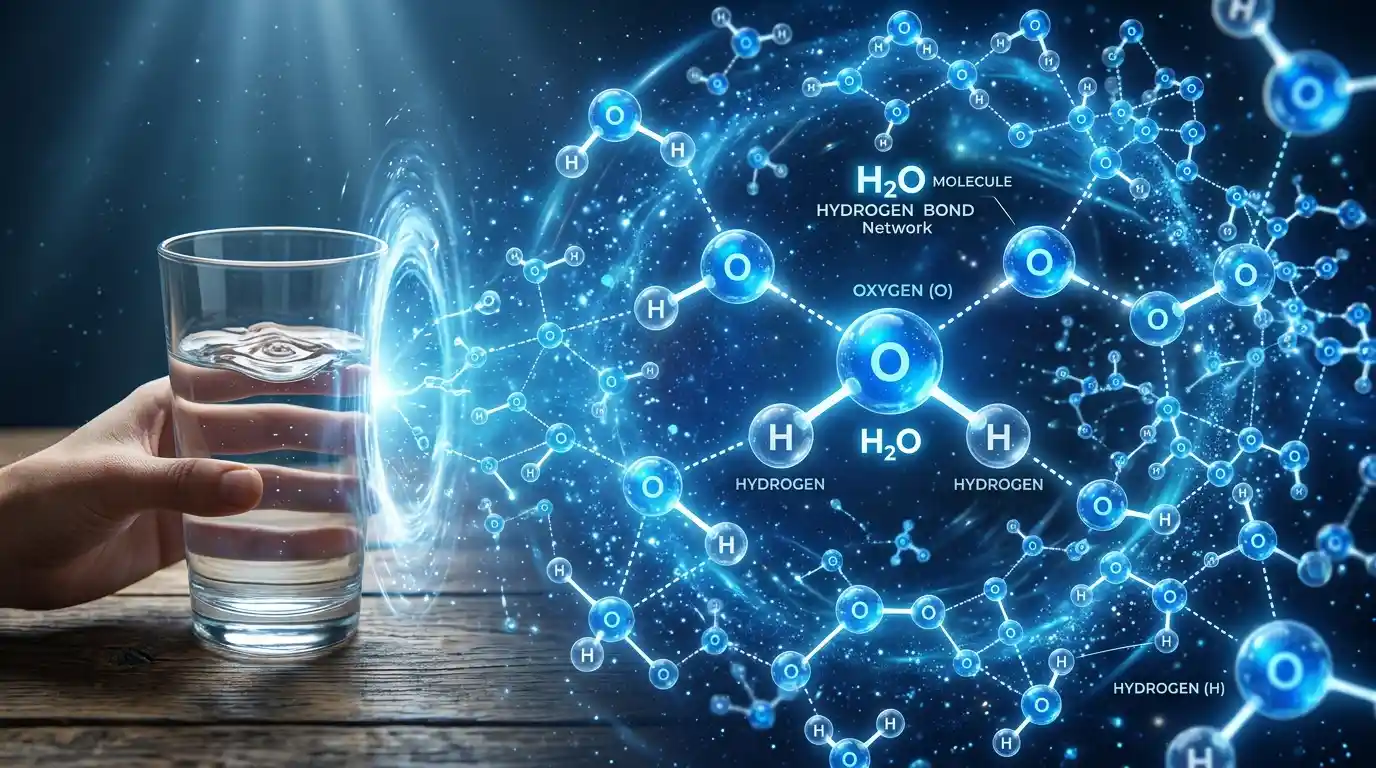
Most liquids shrink and become heavier as they freeze into solid ice. Water does the exact opposite by expanding and becoming lighter as it turns to ice.
This rare density trick causes ice to float on top of lakes each winter. Because ice stays at the surface, it creates an insulating blanket that keeps fish and aquatic plants warm below.
The Strange Secret Shared by Diamonds and Pencils
A sparkling diamond ring and a soft wooden pencil seem to have zero things in common. Yet, both items are built entirely out of pure carbon atoms.
The huge difference comes down to atomic structure and geometry. Carbon atoms in graphite slide around in flat sheets, while carbon atoms in diamonds lock into rigid, unbreakable 3D pyramids.
Breathing Air Is Not What You Think
When you take a deep breath, you might assume your lungs are filling up mostly with oxygen. Oxygen actually makes up only about twenty-one percent of the air surrounding our planet.
A massive seventy-eight percent of our atmosphere consists of nitrogen gas. Nitrogen is so stable that your body simply breathes it right back out without using a single molecule.
How Nitrogen Keeps Food Fresh
Food companies pump pure nitrogen gas into snack bags before sealing them shut. This pushes out oxygen, preventing potato chips from going stale or spoiling on store shelves.
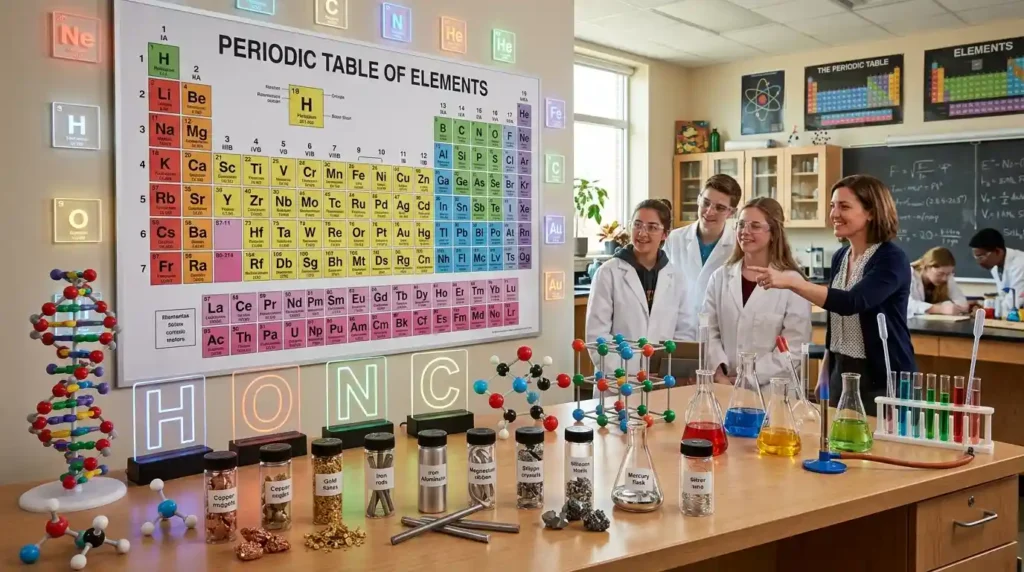
The periodic table is full of unique chemical elements that seem like they were pulled straight from a sci-fi movie. Some melt in your hands, while others explode the second they touch liquid.
Gallium: The Metal That Melts Like Chocolate
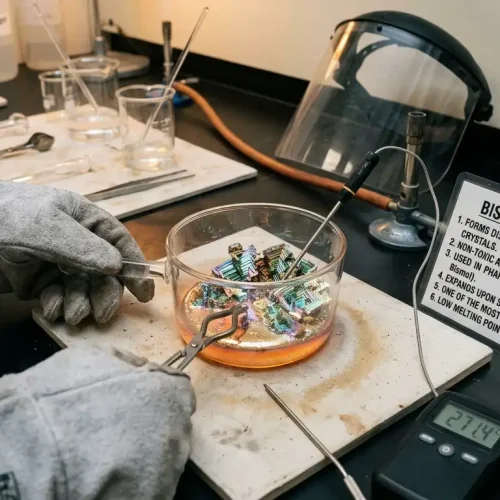
Gallium is a shiny, solid metal at normal room temperature. However, its melting point sits at just under eighty-six degrees Fahrenheit.
If you hold a piece of solid gallium in your hand, your natural body warmth will melt it into a pool of liquid silver. It looks just like toxic mercury, but it is far safer to handle.
Sodium: The Explosive Element You Eat Daily
Pure sodium is a soft metal that you can slice easily with a butter knife. Dropping pure sodium into a bucket of water creates a sudden chemical reaction that sparks a bright explosion.
Amazingly, when sodium pairs up with dangerous chlorine gas, the two elements neutralize each other. They create ordinary sodium chloride, which is the safe table salt you sprinkle on popcorn.
Helium: Discovered on the Sun Before Earth
Helium is famous for making party balloons float high into the sky. Yet, scientists actually spotted helium in outer space long before finding it on our own planet.
Astronomers caught a bright yellow light signature during a solar eclipse back in 1868. They realized it belonged to a brand-new element and named it after Helios, the Greek god of the Sun.
Why Helium Changes Your Voice
Helium gas is six times lighter than regular air. Sound waves travel much faster through helium, causing your vocal cords to vibrate at higher frequencies and creating that funny, squeaky tone.
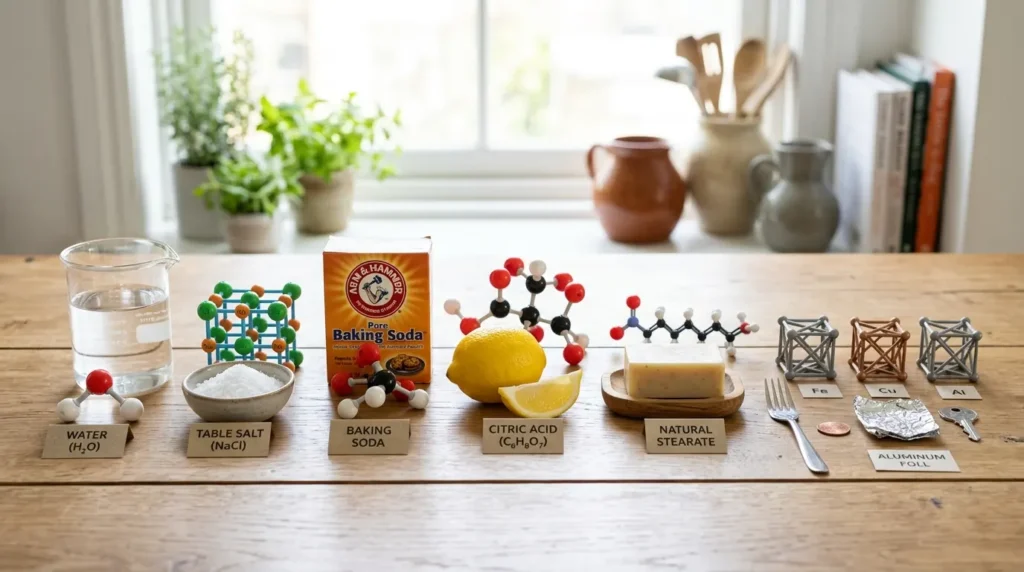
To help you remember these wild science nuggets, here is a simple breakdown showing how different elements and compounds behave in unexpected ways:
Your body is constantly running thousands of microscopic chemical reactions to keep you healthy and energized. Understanding these internal processes makes everyday bodily functions much easier to appreciate.
The Real Reason Onions Make People Cry
Slicing into a fresh onion breaks open its microscopic cell walls and releases sulfur compounds. These airborne gases drift upward and mix with the natural moisture covering your eyeballs.
This mixture creates a mild form of sulfuric acid that irritates your eyes instantly. Your brain responds by triggering a flood of tears to wash the uncomfortable chemical away safely.
How Stomach Acid Defends Your Health
Your stomach relies on hydrochloric acid that is strong enough to dissolve small pieces of metal. This harsh environment breaks down tough foods and kills dangerous germs entering your mouth.
Your stomach keeps from digesting itself by producing a thick layer of mucus along its inner walls. This slimy lining acts as a constant shield against the powerful acid inside.
The Staggering Length of Human DNA
If you uncoiled all the DNA strands packed inside a single human body and lined them up end-to-end, the chain would stretch over ten billion miles long.
That microscopic biological blueprint is long enough to travel from Earth to Pluto and back again. Your body folds all that complex information neatly inside microscopic cell nuclei.
The Chemistry of Goosebumps
When you get cold or scared, your brain releases a chemical hormone called adrenaline. This causes tiny muscles at the base of each hair follicle to contract, pulling your skin tight to trap insulating air.
Cooking is really just delicious chemistry that you can taste. Knowing a few key chemical tricks can instantly turn you into a much smarter home chef.
The Maillard Reaction: Why Seared Food Tastes Great
When you cook a steak or toast bread, heat triggers a chemical dance between amino acids and natural sugars. This process is called the Maillard reaction.
It creates hundreds of brand-new flavor molecules while turning the surface of your food a rich golden-brown color. It is the exact reason why grilled food tastes far more flavorful than boiled food.
Baking Soda Versus Baking Powder

Baking soda requires an acidic ingredient like buttermilk, lemon juice, or yogurt to trigger carbon dioxide bubbles. These rising bubbles give pancakes and cookies their fluffy texture.
Baking powder already contains a dry acid mixed right into the container. It only needs water and oven heat to activate, making it ideal for recipes that lack natural acids.
MCQs
- What is the smallest unit of an element that keeps its chemical properties?
A) Atom
B) Cell
C) Crystal
D) Mixture - Which gas makes up most of Earth’s atmosphere?
A) Oxygen
B) Nitrogen
C) Hydrogen
D) Carbon dioxide - What is the chemical formula for water?
A) CO₂
B) O₂
C) H₂O
D) NaCl - Which element has the chemical symbol Au?
A) Silver
B) Gold
C) Aluminum
D) Argon - What happens when an acid reacts with a base?
A) Neutralization can occur
B) It always freezes
C) It becomes a metal
D) It disappears - Which element is essential for breathing and has the symbol O?
A) Oxygen
B) Osmium
C) Oganesson
D) Oxide - What is the pH of a neutral solution at about room temperature?
A) 0
B) 5
C) 7
D) 14 - Which substance is commonly known as table salt?
A) NaCl
B) H₂O
C) CO₂
D) O₂ - What type of change creates a new chemical substance?
A) Physical change
B) Chemical change
C) Shape change
D) Size change - Which state of matter has a fixed volume but takes the shape of its container?
A) Solid
B) Liquid
C) Gas
D) Plasma
Answer Key
- A
- B
- C
- B
- A
- A
- C
- A
- B
- B
What is the rarest naturally occurring element on Earth?
Astatine is considered the rarest natural element in Earth’s crust. Scientists estimate that less than thirty grams of astatine exist across the entire planet at any single moment because it decays so rapidly into other elements.
Why is clear glass considered an unusual solid?
Glass lacks a structured, repeating crystalline pattern at the atomic level. Because its atoms are arranged in a disorganized layout, light passes straight through without bouncing off internal crystal borders, making the material completely transparent.
Can any metals float on top of water?
Yes, lightweight metals like lithium, sodium, and potassium are less dense than water and can float. However, metals like sodium react so violently with water that they burst into bright flames almost immediately upon contact.
How does salt melt ice on winter roads?
Salt lowers the natural freezing point of liquid water through a process called freezing point depression. When salt dissolves into surface moisture, it prevents water molecules from locking together into solid ice crystals at normal freezing temperatures.
Is lightning considered a chemical reaction?
Lightning itself is plasma, which is superheated ionized gas created by massive electrical charges. While the spark itself is physical plasma, it triggers chemical reactions in the air that create ozone and natural nitrogen fertilizers for plants.
Conclusion
Exploring chemistry fun facts shows that science is not just about memorizing symbols on a poster. It is an exciting way to understand the hidden forces shaping our meals, our bodies, and the vast universe around us. Everyday items like ice, pencils, and water carry unbelievable secrets that come to life once you look closely at their atomic structure.
When you take the time to learn these chemistry fun facts, complex ideas suddenly become simple and relatable. Watching a piece of metal melt in your hand or seeing how a sliced onion causes tears reminds us that incredible scientific reactions are happening around us every single second.
Understanding the molecular world gives you a whole new perspective on how nature works. Sharing these chemistry fun facts with friends and family makes learning feel like an enjoyable adventure rather than a boring classroom chore. Curiosity is the true spark behind every great scientific discovery, so never stop asking questions about everyday phenomena.
Keep exploring new concepts, looking closely at the world around you, and digging deeper into the magical science of matter. If you enjoyed discovering these incredible science truths, share this article with fellow science lovers and start experimenting today!

Ethan Danial is the creator and lead writer behind FunWhirls.com, a fun-focused platform dedicated to entertaining ideas, fascinating facts, funny moments, creative lists, and content that sparks curiosity. With a genuine love for discovering interesting and unexpected topics, Ethan enjoys turning simple ideas into engaging content that readers can enjoy, learn from, and share. His approach is centered on making every article easy to read, enjoyable, and worth coming back to.
At FunWhirls.com, Ethan Danial explores the lighter and more entertaining side of everyday life. He creates content for readers who love discovering something new, having a quick laugh, or simply taking a break from the ordinary. From curious facts to playful ideas and entertaining discoveries, Ethan aims to keep the content fresh, positive, useful, and engaging for readers of all kinds.