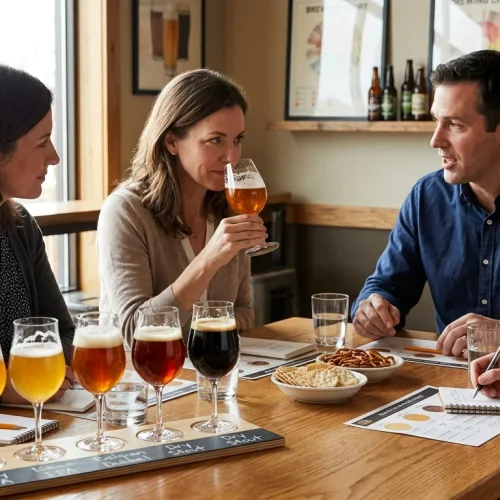
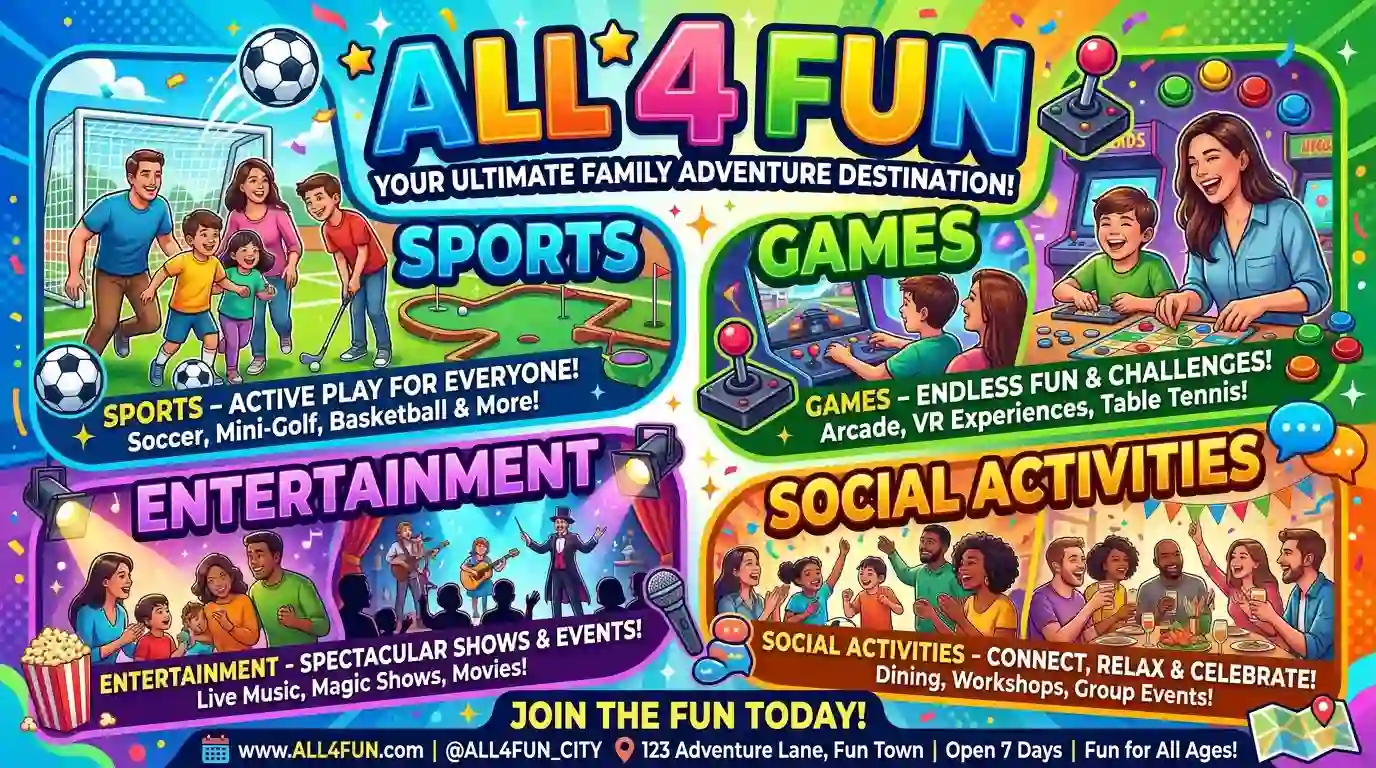
Living a balanced life means incorporating all 4 fun categories: active, creative, social, and relaxing entertainment. By blending physical movement, artistic expression, community connection, and personal downtime, you unlock better mental well-being, stronger relationships, and continuous personal growth every day.
Ever feel like your free time is slipping away on autopilot? You sit on the couch, scroll through your phone, and suddenly it is time for bed.
If you want to feel truly recharged, you need all 4 fun types of activities in your weekly routine. Mixing physical movement, creative projects, social connection, and relaxing downtime changes how you experience daily life.
Let us explore how balancing these distinct entertainment styles can make every week more exciting and rewarding.
Understanding the Framework of Balanced Recreation
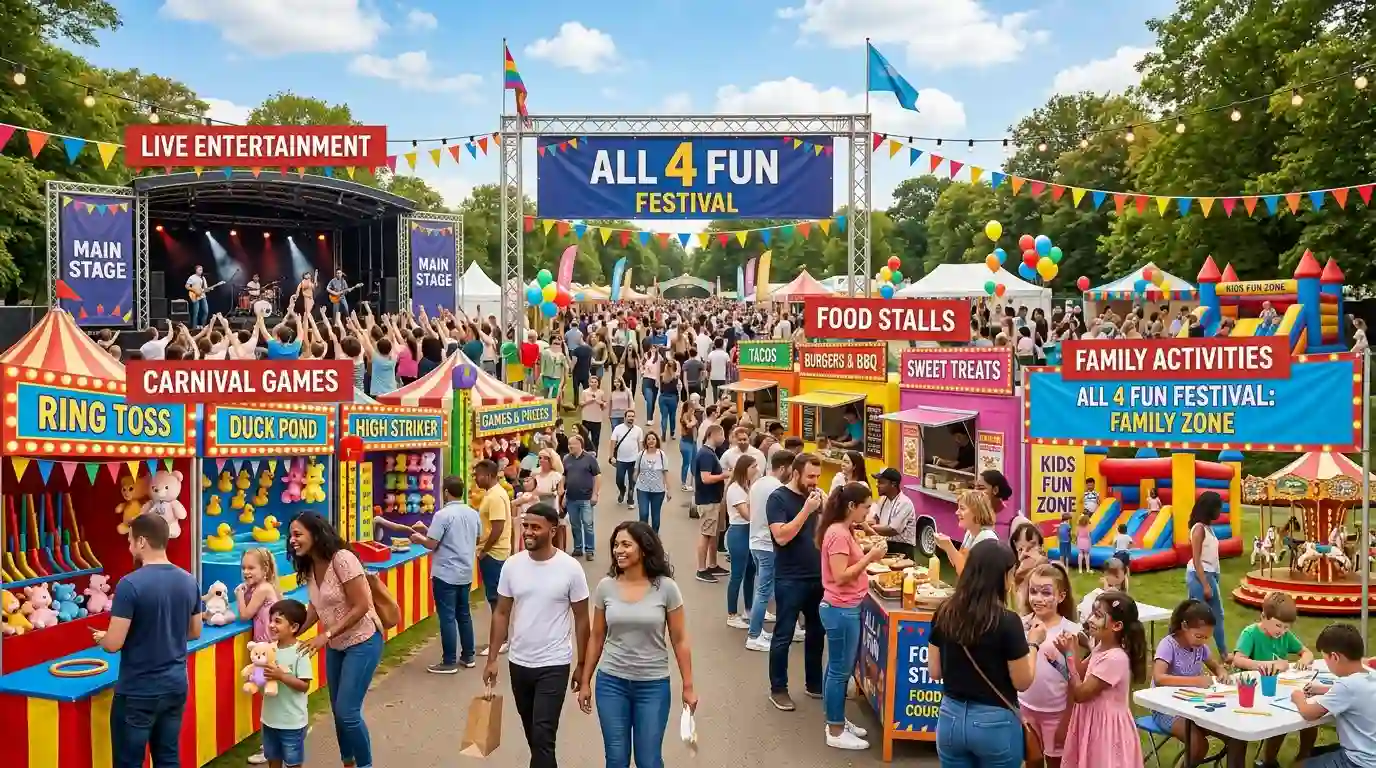
When people talk about having a good time, they often focus on just one thing. Some people only hit the gym, while others only watch movies. However, real satisfaction comes when you experience all 4 fun dimensions of leisure.
Each type of activity satisfies a different emotional and physical requirement. If you skip one, your routine can quickly feel stale and repetitive.
Why Variety Matters in Your Free Time
Doing the same thing every weekend leads to routine fatigue. Your brain craves novelty and dynamic challenges to stay sharp and happy.
When you balance active play with quiet rest, you protect your energy levels while still making great memories.
The Psychology Behind How We Play
Psychologists have long studied how leisure impacts human stress levels and happiness. Different activities trigger different chemical responses in your brain, such as dopamine from achievements and oxytocin from social bonding.
- Dopamine: Released during physical challenges and game victories.
- Oxytocin: Built through meaningful conversations and shared group activities.
- Endorphins: Triggered by energetic exercise and belly laughter.
- Serotonin: Boosted through outdoor sunshine, mindfulness, and restful hobbies.
Category 1: Active and Physical Fun
Active recreation is all about getting your body moving and breaking a sweat. It moves your focus away from daily worries and grounds you in the physical moment.
You do not need to run a full marathon to enjoy active play. The main goal is simply having a great time while moving around.
High-Energy Group Sports
Playing sports with friends offers physical exercise mixed with friendly competition. It challenges your coordination while building team spirit.
- Backyard pickup basketball games
- Casual beach volleyball on sunny afternoons
- Local recreational kickball or softball leagues
- Group tennis or pickleball matches
Outdoor Wilderness Adventures
Getting outside into nature resets your attention span and lowers stress hormones. Outdoor activities combine physical movement with breathtaking views and fresh air.
- Pick a scenic local park with well-marked trails.
- Pack plenty of water, healthy snacks, and basic safety supplies.
- Invite a friend or enjoy the peaceful quiet by yourself.
Category 2: Creative and Expressive Fun

Creative hobbies give your brain space to explore ideas without rigid rules. They allow you to transform raw materials into something unique.
Engaging your hands in art helps process complex emotions and clears away daily mental clutter.
DIY Crafts and Hands-On Arts
Working with physical materials offers a tactile sense of accomplishment that digital screens simply cannot match.
- Pottery and clay sculpting
- Canvas painting with acrylics or watercolors
- Knitting, crocheting, or textile weaving
- Woodworking and basic furniture restoration
Musical and Performance Outlets
Music and performance allow you to express feelings that words alone cannot capture. You do not need professional skill to enjoy making noise and moving to a beat.
Learning a simple chord progression on a ukulele or joining a casual community choir can brighten your whole week.
Category 3: Social and Interactive Fun
Human beings are naturally hardwired for connection and shared experiences. Social recreation helps you build deep friendships and create hilarious long-term memories.
Shared laughter reduces social anxiety and strengthens your personal support network.
Board Games and Tabletop Gaming
Tabletop games bring people together around a shared physical space. They combine strategic thinking with dynamic social interaction.
- Strategy Games: Test your long-term planning and tactical skills.
- Party Games: Spark quick laughter and energetic conversations.
- Cooperative Games: Require everyone to work together against the game itself.
Hosting Memorable Theme Nights
Transforming a simple evening into a theme party turns a standard dinner into an exciting event.
You can pick a specific decade, movie universe, or regional cuisine to build your menu and decorations around.
Category 4: Relaxing and Mindful Fun
Restful play is just as essential as energetic sports or social gatherings. It gives your mind time to rest, process experiences, and build up fresh energy.
Without quiet relaxation, you risk burning out from over-scheduling your free time.
Immersive Storytelling and Media
Engaging with great stories allows you to step into different worlds and consider new perspectives.
- Reading fiction books or listening to audiobooks
- Watching indie films or critically acclaimed documentaries
- Playing story-driven, single-player video games
Solitary Nature Connection
Spending quiet moments outdoors without digital distractions helps reset your inner focus.
A slow walk through a botanical garden or sitting by a calm lake offers restorative peace for your busy mind.
Comparing the Four Activity Types
To help you balance your personal schedule, here is how these four areas compare across energy levels and settings:
- Active Fun: Focuses on physical health and stamina. It requires high energy and works best outdoors or in a sports gym.
- Creative Fun: Builds mental clarity and self-expression. It takes medium energy and fits perfectly in a home studio or workshop.
- Social Fun: Strengthens relationships and brings laughter. It requires medium to high energy and is ideal for your living room or a public venue.
- Relaxing Fun: Delivers stress relief and mental rest. It needs low energy and works best in a cozy indoor spot or a quiet park.
How to Build a Balanced Weekly Fun Schedule
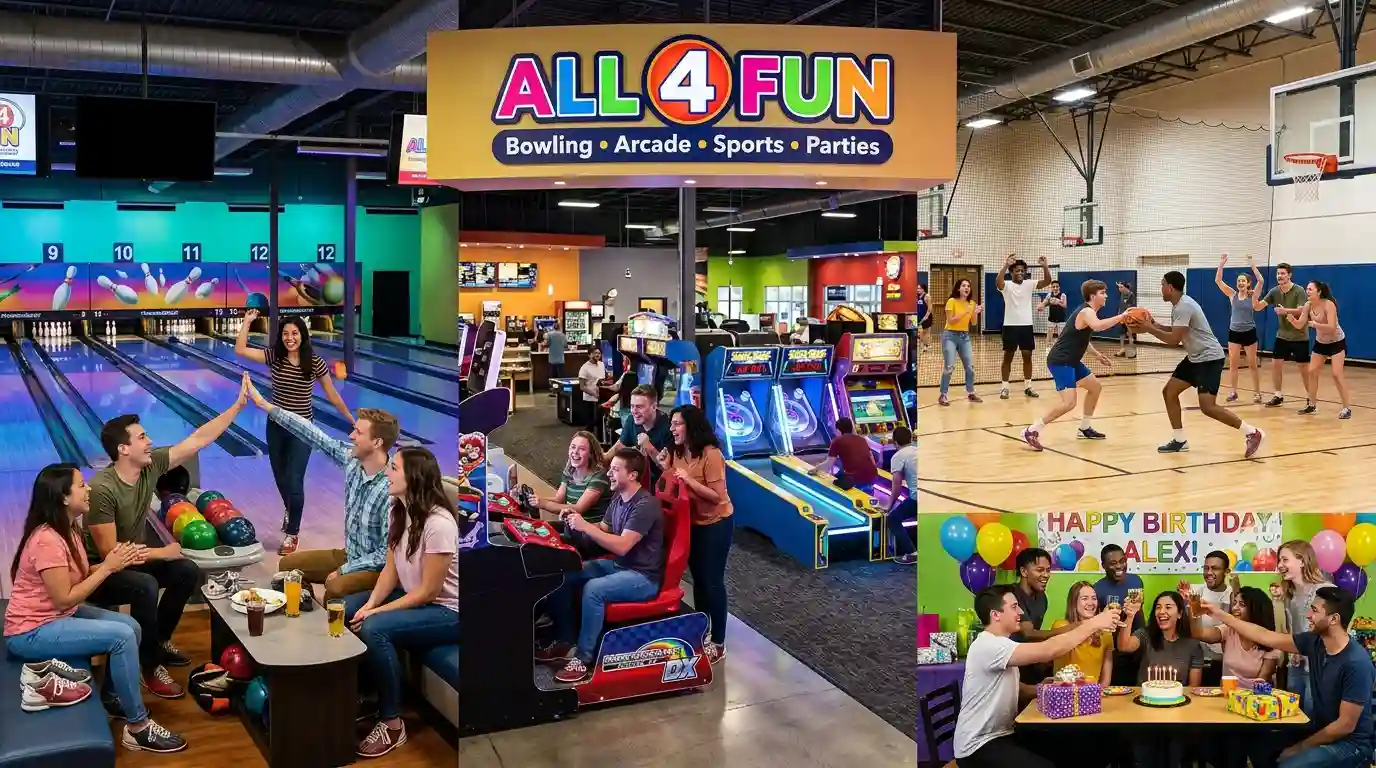
Bringing all 4 fun elements into your routine does not mean overloading your calendar. It is all about making intentional choices with the free hours you already have.
A thoughtful plan keeps you from falling back into mindless screen time when you feel tired.
Assessing Your Current Free Time Habits
Take a moment to track how you spent your leisure hours over the last seven days.
If eighty percent of your free time was spent scrolling on a phone, your schedule is out of balance.
Creating Your Personal Play Menu
Make a written list of activities you enjoy across each of the four categories. Keep this list on your fridge or phone for quick inspiration when you are bored.
- Active: 30-minute bike ride, tennis match
- Creative: Journaling, baking a new recipe
- Social: Game night, calling a close friend
- Relaxing: Reading in a hammock, taking a long warm bath
Overcoming Common Obstacles to Daily Enjoyment

Life gets busy, and fun is often the first thing people drop when work demands rise. However, cutting out play actually lowers your productivity and harms your mood over time.
Recognizing common blockers helps you protect your valuable personal time.
Managing Limited Free Time
You do not need six free hours to experience meaningful play. Even fifteen-minute breaks can fit into a busy day.
A fast ten-minute sketch or a quick walk around the block works wonders for your energy.
Overcoming Guilt About Taking Rest
Many people feel guilty when they are not actively working or doing chores. Remind yourself that rest and play are essential investments in your health.
Taking time to recharge makes you a better partner, friend, and worker.
MCQs
Test your knowledge about balancing the different types of fun and leisure!
- What does “All 4 Fun” suggest?
A) Entertainment for everyone
B) Office work
C) School homework
D) Shopping - What is the main purpose of fun activities?
A) Enjoyment
B) Stressful work
C) Studying
D) Sleeping - Which activity can be part of a fun event?
A) Games
B) Filing papers
C) Paying bills
D) Cleaning - Who can enjoy fun activities?
A) Friends and families
B) Only teachers
C) Only workers
D) Only athletes - What can games encourage among friends?
A) Interaction
B) Silence
C) Isolation
D) Boredom - Which item might be useful for a group game?
A) Playing cards
B) Calculator
C) Printer
D) Stapler - What can make a fun event more exciting?
A) Friendly competition
B) Long paperwork
C) Quiet offices
D) Difficult exams - Where can people enjoy recreational games?
A) Parks and entertainment centers
B) Banks only
C) Hospitals only
D) Libraries only - What can people gain from spending time on fun activities?
A) Enjoyment and social connection
B) More paperwork
C) Less communication
D) More chores - What is the best approach to group games?
A) Have fun and respect others
B) Take everything too seriously
C) Avoid everyone
D) Refuse to participate
Answer Key:
1-A, 2-A, 3-A, 4-A, 5-A, 6-A, 7-A, 8-A, 9-A, 10-A
FAQs
What if I prefer one type of fun over the others?
It is completely normal to have a favorite leisure style. You can spend more time on your favorite category while still making a little room for the other three to keep your routine healthy and balanced.
How do I find time for all 4 fun types during busy work weeks?
Focus on micro-moments rather than full-day events. A short fifteen-minute creative drawing session or a quick walk outside can deliver great benefits without disrupting your work calendar.
Can an activity belong to more than one fun category?
Yes, many rewarding hobbies combine multiple categories at once. For example, joining a community dance class combines physical movement with social connection and creative expression.
Is digital entertainment considered a healthy form of relaxation?
Digital entertainment can offer great relaxation if consumed mindfully. However, balance screen time with offline activities to avoid eye strain and digital overload.
How do I encourage my family to try new types of activities?
Introduce new ideas gradually by hosting fun theme nights or simple outdoor outings. Involve everyone in choosing the activities so that the planning process feels like a team effort.
Conclusion
Building a balanced life that incorporates all 4 fun categories is one of the easiest ways to improve your daily happiness. When you mix active movement, creative projects, social connections, and restful downtime, you unlock a healthier and more satisfying lifestyle.
Start small by picking one new activity from a category you have been ignoring lately. Whether you join a local sports team, pick up a paintbrush, or host a game night, taking action will make your free time feel truly rewarding.

Ethan Danial is the creator and lead writer behind FunWhirls.com, a fun-focused platform dedicated to entertaining ideas, fascinating facts, funny moments, creative lists, and content that sparks curiosity. With a genuine love for discovering interesting and unexpected topics, Ethan enjoys turning simple ideas into engaging content that readers can enjoy, learn from, and share. His approach is centered on making every article easy to read, enjoyable, and worth coming back to.
At FunWhirls.com, Ethan Danial explores the lighter and more entertaining side of everyday life. He creates content for readers who love discovering something new, having a quick laugh, or simply taking a break from the ordinary. From curious facts to playful ideas and entertaining discoveries, Ethan aims to keep the content fresh, positive, useful, and engaging for readers of all kinds.