
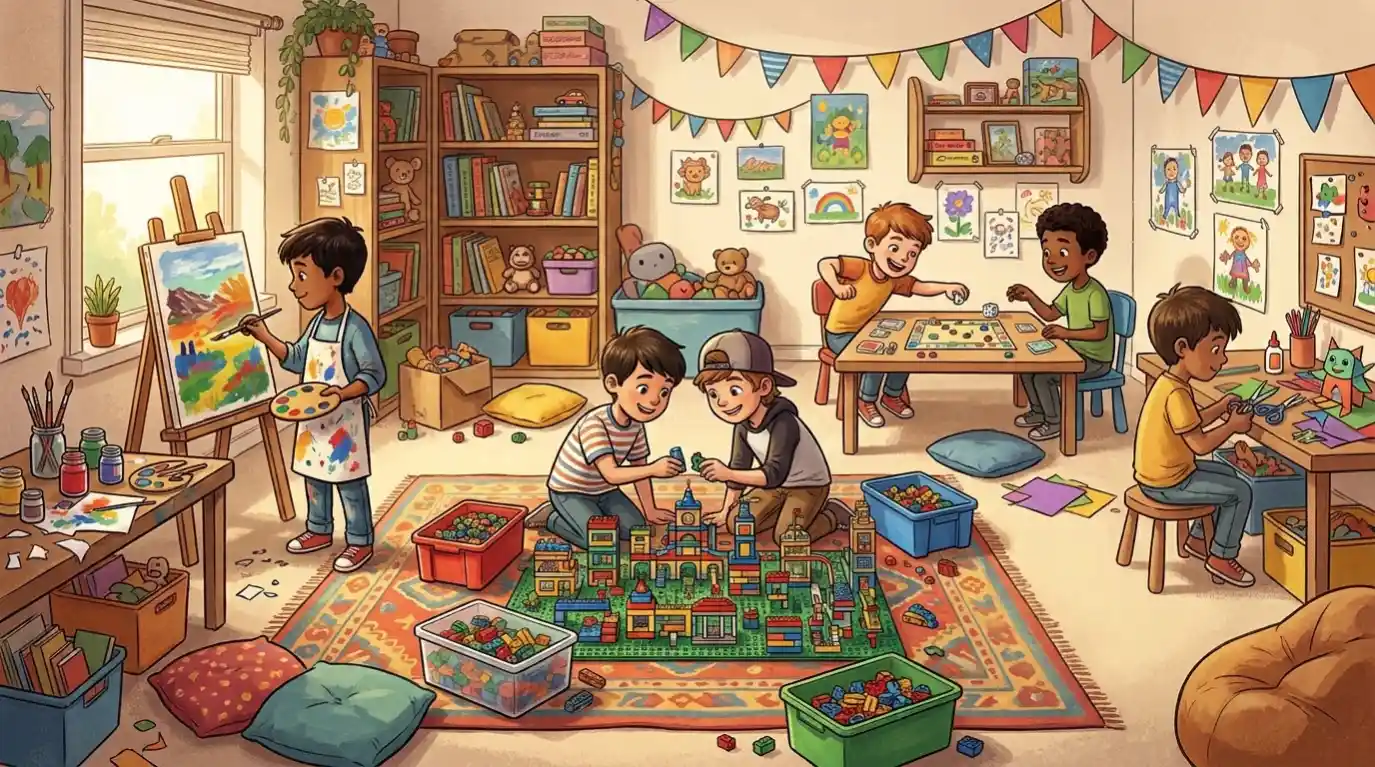
Boy fun centers on engaging activities that spark curiosity, foster hands-on learning, and promote healthy social interaction. From outdoor physical challenges and creative indoor building projects to cooperative family gaming, engaging in boy fun helps children build confidence, develop critical problem-solving skills, and enjoy meaningful play experiences across every stage of childhood.
Every child needs opportunities to explore, build, move, and imagine every single day. Finding the right mix of active play and creative downtime is the key to classic boy fun.
Whether you are planning a rainy afternoon indoors or a big weekend outdoors, having a diverse toolbox of ideas keeps energy focused and spirits high. When kids engage in dynamic boy fun, they learn valuable physical and social skills that stay with them forever.
Let us explore practical ways to turn everyday routines into unforgettable adventures filled with genuine boy fun.
Understanding the Essentials of Boy Fun
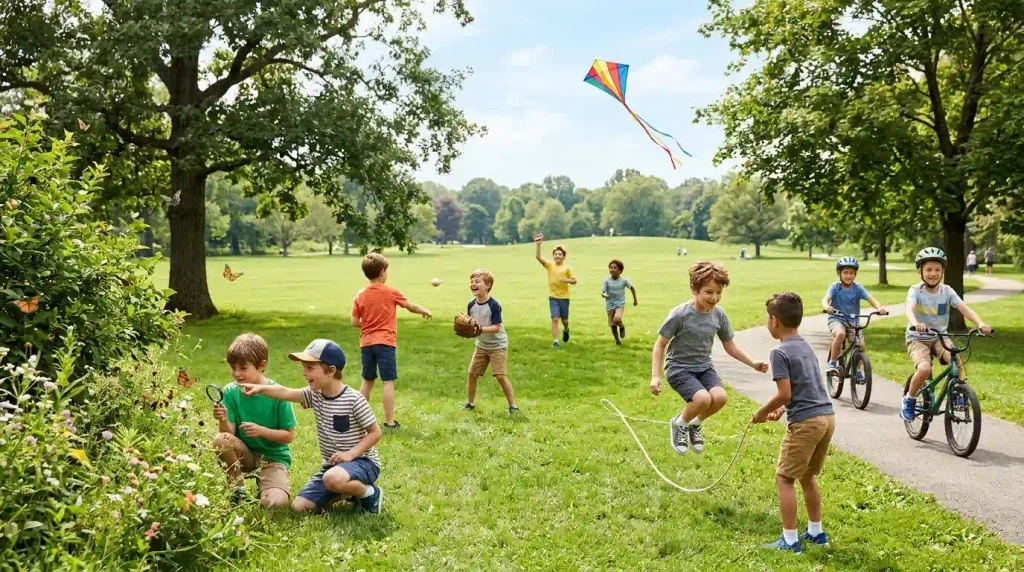
Play is far more than simple entertainment for growing kids. It serves as the primary way young minds explore physical boundaries, test creative ideas, and learn social cooperation.
When you encourage meaningful play, you help kids build resilience and critical thinking skills. Understanding what makes an activity engaging helps you pick the right tasks for any situation.
The Role of Physical Movement in Active Play
Movement is vital for physical health, coordination, and emotional regulation. Running, jumping, climbing, and balancing help refine motor skills while burning off boundless energy.
Outdoor games teach spatial awareness and body control. Giving kids space to move freely outdoors reduces stress and boosts overall daily focus.
Sparking Curiosity Through Hands-On Exploration
Kids naturally want to know how things work, break apart, and assemble back together. Hands-on projects encourage them to experiment, fail, test again, and ultimately succeed.
Building structures or experimenting with simple household items turns abstract concepts into real-world discovery. Curiosity thrives when children can touch, build, and test their ideas directly.
Building Social Skills and Teamwork
Playing together teaches vital life skills like sharing, taking turns, negotiating rules, and managing small conflicts. Group activities help kids develop empathy and clear communication habits early on.
Cooperative games shift the focus from individual competition to group success. Learning to win and lose gracefully builds long-term emotional intelligence.
Indoor Activities that Keep Energy Positive
Bad weather never has to ruin a day of active play. With a little imagination and basic household supplies, indoor spaces transform into incredible arenas of discovery.
Designing High-Stakes Indoor Obstacle Courses
You can easily turn your living room into an adventurous challenge zone using couch cushions, chairs, painters tape, and pillows.
- Set up soft cushion stepping stones across carpeted floors to simulate floating rocks over dangerous lava.
- Create tape balance beams across long hallway floors to test agility, core strength, and focus.
- Place sturdy chairs with blankets draped over them to craft tunnels for low crawling.
Obstacle courses challenge balance, coordination, and memory as kids remember the course sequence. You can time their runs to encourage self-improvement rather than competitive stress.
Building Masterpiece Blanket Forts and Secret Bases
Blanket forts provide a comfortable, imaginative sanctuary for reading, telling stories, or planning secret missions.
Gather dining chairs, heavy blankets, clothespins, and floor pillows to construct a sturdy structure. Add battery-operated fairy lights or flashlights inside to create a cozy, magical atmosphere.
Fort building teaches basic structural balance, spatial reasoning, and cooperative planning. Once built, these spaces offer hours of quiet play, creative writing, or relaxed reading time.
Creative Construction with Blocks and Bricks
Building sets are timeless tools for developing spatial intelligence, fine motor control, and persistent problem-solving habits.
- Set specific building challenges, such as constructing the tallest stable tower using only twenty blocks.
- Design custom vehicles capable of rolling across different textures like rugs, tiles, and wood floors.
- Recreate real-world landmarks or fictional cityscapes using mixed building materials.
Encourage kids to explain their architectural designs after completing them. This simple practice builds vocabulary, confidence, and public speaking abilities naturally.
Outdoor Adventures for Fresh Air and High Energy
Stepping outside opens up endless possibilities for exploration, exercise, and deep connection with the natural world.
Nature Scavenger Hunts and Wilderness Trails
Local parks and backyard green spaces contain hidden wonders waiting for sharp eyes to discover.
Create a simple checklist featuring items like smooth river rocks, pinecones, oak leaves, unique bugs, and bird feathers. Hand over a magnifying glass and small collection bucket to search feel like a real expedition.
Scavenger hunts sharpen observation skills and cultivate a deep appreciation for local ecosystems. They keep walks exciting while encouraging gentle physical activity.
Backyard Sports and Skill-Building Games
Organized backyard sports teach athletic fundamentals while keeping rules simple and fun for everyone involved.
- Set up target practice using plastic buckets and soft balls to improve throw accuracy.
- Play modified kickball or soccer using pop-up goals to practice foot control and agility.
- Design simple relay races incorporating skipping, hopping, and sprinting to build endurance.
Focus on personal skill improvements rather than strictly keeping score. Celebrating small achievements keeps motivation high and fosters a lifelong love for physical fitness.
Classic Neighborhood Yard Games
Traditional outdoor games require minimal equipment while offering maximum movement and interactive fun for group play.
Tag variations like freeze tag, shadow tag, or infection tag keep large groups running continuously. Capture the flag introduces strategic thinking, teamwork, and stealth tactics to outdoor sessions.
These games teach kids self-policing, rule adherence, and spontaneous strategy formulation. They create lasting childhood memories while burning plenty of afternoon energy.
Science Experiments and Creative STEAM Projects
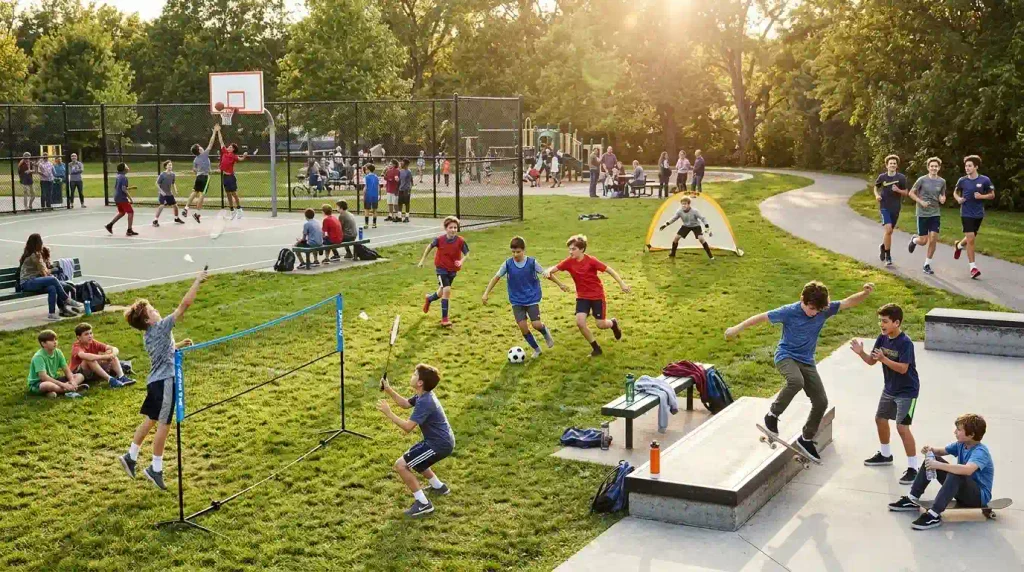
Science, technology, engineering, art, and math (STEAM) activities merge real-world learning with high-energy entertainment.
Simple Kitchen Science Explosions
Kitchen science transforms ordinary pantry staples into thrilling chemical reaction demonstrations right before your eyes.
- Combine baking soda, dish soap, food coloring, and vinegar inside a plastic bottle to trigger a foaming volcano.
- Mix cornstarch and water together to create oobleck, a fascinating fluid that behaves as both solid and liquid.
- Fill a glass container with water, vegetable oil, and food coloring, then drop in an effervescent tablet for a homemade lava lamp.
These simple experiments make abstract chemical principles tangible and thrilling. Always explain the science behind the reaction in simple, easy-to-remember terms.
DIY Crafting and Model Building
Hands-on craft projects build fine motor control, patience, and visual art appreciation through creation.
Cardboard modeling allows kids to convert delivery boxes into shields, helmets, space suits, or race tracks. Using safety scissors, non-toxic glue, and paints, children can bring imaginary concepts directly into physical reality.
Crafting teaches project planning, resource management, and emotional patience when glue needs time to dry. Displaying finished projects proudly boosts self-esteem and artistic pride.
Digital Play and Smart Screen Time Management
Technology is a major part of modern life, and managing it thoughtfully ensures screen time remains productive and fun.
Finding Quality Cooperative Video Games
Video games can promote teamwork, spatial planning, and rapid problem-solving when chosen carefully.
Focus on multiplayer titles that require players to communicate clearly and solve puzzles together to advance. Cooperative building games allow players to collaborate on large architecture projects inside shared virtual worlds.
Play alongside your kids to turn screen sessions into interactive family bonding moments. Discussing game strategies together builds analytical skills and opens natural lines of communication.
Setting Healthy Screen Boundaries
Establishing clear parameters around technology usage keeps physical play and digital entertainment well balanced.
- Designate tech-free zones inside the home, such as dining tables and bedrooms.
- Utilize visual timers so children clearly understand when game sessions will pause.
- Encourage an equal ratio of outdoor active play for every hour spent in front of digital screens.
Involving kids in setting daily schedules helps them feel respected and empowers them to build self-regulation skills early on.
Comparing Popular Categories of Boy Fun
Choosing the right type of activity depends on your available time, current weather conditions, and energy levels. The following table provides a quick reference to help you plan balanced routines easily.
Rainy Day Survival Strategies for Parents

Rainy days do not have to mean boring hours spent staring at walls or endless scrolling on mobile devices.
Host a Classic Board Game Tournament
Board games offer fantastic mental stimulation while teaching strategy, patience, and fair play across generations.
Select games suited to your child’s age group, balancing simple luck-based titles with deeper strategic choices. Keep scores lighthearted and introduce funny non-monetary rewards for tournament winners, like picking the dinner menu.
Regular family game nights strengthen relationships and teach kids how to manage both victory and defeat gracefully.
Create an Indoor Cooking and Baking Studio
Kitchen activities blend practical life skills, basic math, sensory exploration, and tasty final treats.
- Let kids measure out dry ingredients like flour, sugar, and oats using measuring cups and spoons.
- Assign tasks like kneading dough, shaping homemade cookies, or assembling personal mini pizzas.
- Teach kitchen safety rules regarding hot surfaces, sharp tools, and proper handwashing habits.
Cooking builds independence and gives children a sense of tangible accomplishment when serving their creations to family members.
Seasonal Activity Guide for Year-Round Fun
Every season offers unique outdoor opportunities and environmental features to incorporate into active play routines.
Spring and Summer Highlights
Warm weather encourages water play, gardening, and long evening outdoor activities.
- Set up backyard water relays using buckets, sponges, and spray bottles to stay cool.
- Plant a small container garden with fast-growing vegetables like cherry tomatoes or radishes.
- Organize evening flashlight tag sessions once the sun sets for high-energy weekend fun.
Warm season activities build physical endurance and teach responsibility through caring for living gardens or outdoor equipment.
Autumn and Winter Highlights
Colder weather brings leaf piles, snow fun, and cozy indoor craft projects.
- Rake autumn leaves into massive landing pads for jumping, then search for unique leaf colors.
- Build snow castles, snowmen, or complex snowball target ranges during cold winter days.
- Host hot cocoa crafting sessions paired with indoor storytelling or reading marathons.
Embracing seasonal changes keeps play routines fresh, exciting, and connected to the natural rhythms of the year.
Encouraging Independent Play and Self-Reliance
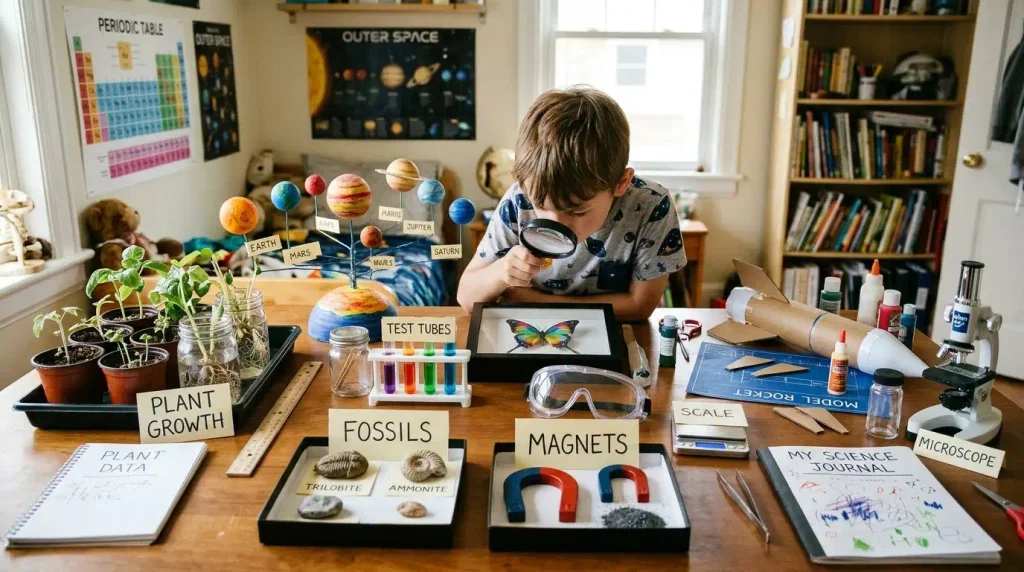
While joint activities build strong bonds, learning to play independently is equally crucial for long-term childhood development.
Setting Up Open-Ended Play Stations
Independent play flourishes when kids have access to versatile, unstructured materials that invite open invention.
Designate accessible storage bins filled with mixed items like wooden blocks, dress-up clothes, drawing supplies, and string. Avoid giving explicit instructions; instead, let their imagination dictate how items interact.
Open-ended materials foster self-reliance, creative problem-solving, and deep focus without requiring constant adult direction.
The Value of Healthy Boredom
Occasional boredom is not a problem to fix; it is the ultimate catalyst for genuine creative thinking.
When kids complain of having nothing to do, resist the urge to immediately schedule an activity or hand over a digital screen. Give them space and simple raw materials, and watch them invent brand-new games.
Boredom teaches children how to self-entertain, explore internal ideas, and take initiative over their own free time.
Practice Exercises
Q1. Which physical benefit is primarily developed by setting up indoor obstacle courses?
A. Rapid reading speed
B. Gross motor skills and body balance
C. Vocabulary retention
D. Digital literacy
Q2. What is a key cognitive advantage of building complex blanket forts?
A. Spatial reasoning and basic structural planning
B. Memorizing historical facts
C. Improving typing accuracy
D. Learning financial budgeting
Q3. Why are nature scavenger hunts effective for young explorers?
A. They encourage sitting quietly for long periods
B. They eliminate the need for physical exercise
C. They sharpen observation skills while promoting physical movement
D. They replace the need for outdoor supervision
Q4. What reaction occurs during the classic baking soda and vinegar kitchen experiment?
A. Electrical charge generation
B. Simple acid-base chemical reaction producing carbon dioxide gas
C. Nuclear fusion
D. Magnetic attraction
Q5. How can video gaming be transformed into a positive social building experience?
A. By playing exclusively in isolation
B. By selecting cooperative games that require clear team communication
C. By ignoring time limits
D. By avoiding all multiplayer options
Q6. What skill is directly nurtured when children learn to lose gracefully in board games?
A. Emotional regulation and fair play
B. Advanced calculus
C. Graphic design
D. Fine art appreciation
Q7. Which household item serves as a safe base material for creating homemade oobleck?
A. Rubbing alcohol
B. Cornstarch mixed with water
C. Laundry bleach
D. Vegetable cooking oil
Q8. Why is open-ended play with basic building blocks valuable?
A. It enforces strict linear rules
B. It requires direct adult supervision at all times
C. It stimulates open imagination, spatial intelligence, and self-reliance
D. It guarantees instant digital rewards
Q9. What is a healthy strategy for managing children’s screen time effectively?
A. Allowing unlimited access on weekends
B. Establishing tech-free zones and using visual timers
C. Removing all electronic devices permanently
D. Replacing all outdoor play with educational apps
Q10. How does experiencing occasional boredom benefit a growing child?
A. It causes long-term cognitive delay
B. It forces children to depend entirely on adults for ideas
C. It acts as a natural catalyst for creative thinking and self-entertainment
D. It reduces overall physical energy levels
Answer Key
B
A
C
B
B
A
B
C
B
C
FAQs
How do I encourage my child to play outdoors more often?
Start by joining them outside for short, engaging activities like backyard catch or simple scavenger hunts. Providing simple tools like balls, magnifying glasses, or chalk makes the outdoors inviting, gradually turning outdoor time into a daily habit.
What are the best low-cost ideas for indoor fun?
Blanket forts, hall tape balance beams, and cardboard box crafting offer endless entertainment using items you already own. These budget-friendly activities spark high levels of creativity without requiring expensive toys or complex equipment.
How much daily physical play does a growing child need?
Growing children thrive on at least 60 minutes of moderate to vigorous physical activity every day. Breaking this movement up into shorter morning and afternoon play sessions keeps their energy balanced and focus sharp.
How can I make educational STEAM activities feel fun rather than like schoolwork?
Frame STEAM activities as exciting challenges or playful experiments rather than formal lessons. Let kids mix ingredients, build structures, make messes, and test ideas freely without stressing over perfect academic outcomes.
What should I do if my child gets frustrated during complex games?
Acknowledge their feelings with empathy and break the activity down into smaller, manageable steps. Offering gentle guidance while keeping the focus on learning rather than winning helps build emotional resilience and patience.
Are video games completely bad for active boys?
No, video games are not inherently bad when chosen thoughtfully and balanced with physical activity. Cooperative titles enhance problem-solving, strategic thinking, and hand-eye coordination when played within reasonable daily time limits.
Conclusion
Creating memorable experiences filled with boy fun comes down to balancing active physical movement, creative hands-on projects, and meaningful family connection. Whether you are building elaborate blanket forts indoors or exploring nature trails on sunny afternoons, simple ideas often bring the greatest joy.
Embrace the messy experiments, celebrate small achievements, and give kids the time and space they need to explore their world with confidence. Start picking a few new ideas from this guide today and transform your everyday play routine into an exciting adventure!

Ethan Danial is the creator and lead writer behind FunWhirls.com, a fun-focused platform dedicated to entertaining ideas, fascinating facts, funny moments, creative lists, and content that sparks curiosity. With a genuine love for discovering interesting and unexpected topics, Ethan enjoys turning simple ideas into engaging content that readers can enjoy, learn from, and share. His approach is centered on making every article easy to read, enjoyable, and worth coming back to.
At FunWhirls.com, Ethan Danial explores the lighter and more entertaining side of everyday life. He creates content for readers who love discovering something new, having a quick laugh, or simply taking a break from the ordinary. From curious facts to playful ideas and entertaining discoveries, Ethan aims to keep the content fresh, positive, useful, and engaging for readers of all kinds.