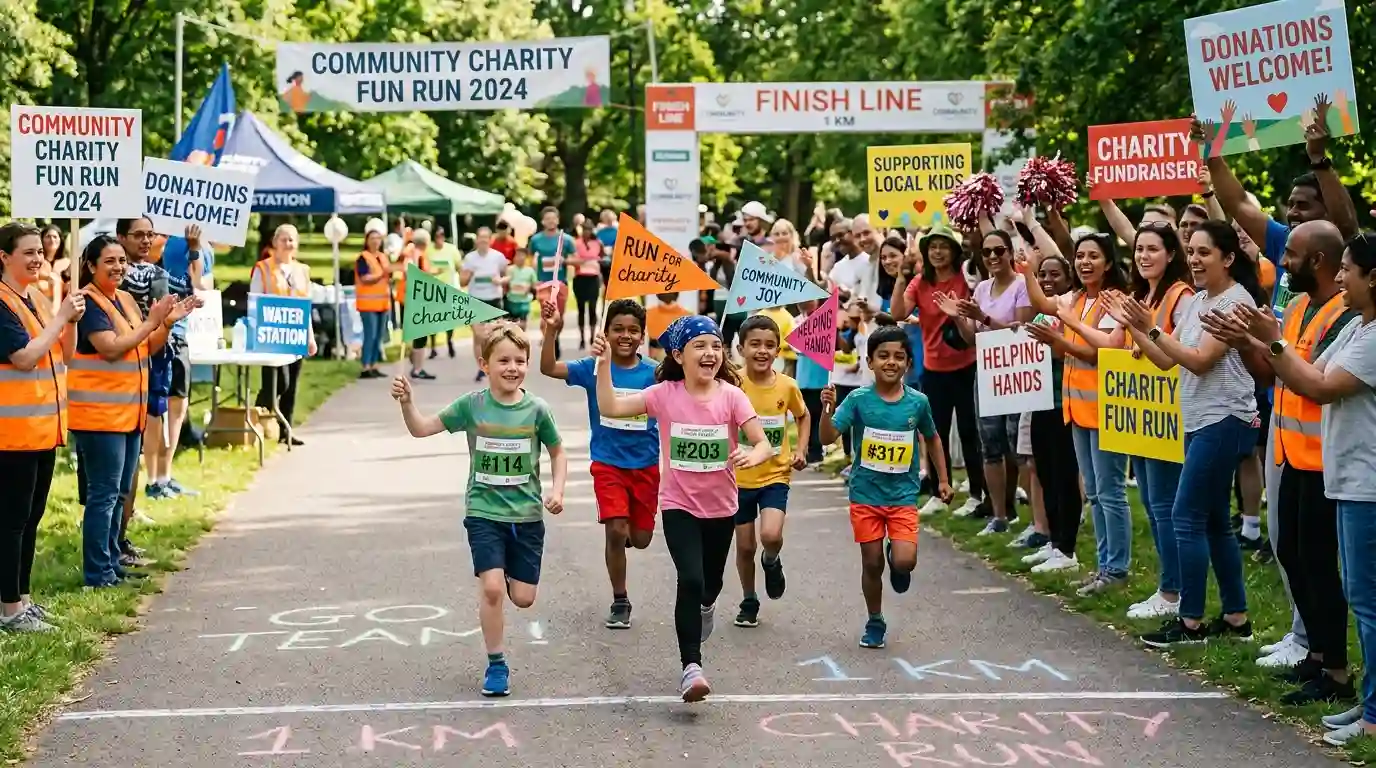
A children’s fun run is an untimed, joy-focused running event designed to encourage healthy habits, active movement, and confidence in kids. Usually covering distances between 400 meters and 1 mile, these events often feature fun themes, bright costumes, music, and finisher medals to celebrate every young participant’s accomplishment.
Have you ever seen a group of young kids burst across a finish line covered in colorful powder or wearing superhero capes? That pure, infectious joy is exactly what makes a children’s fun run so special.
Organizing or joining a children’s fun run transforms basic physical movement into an exciting community celebration. It strips away the stressful pressure of competitive sports and replaces it with music, laughter, and high-fives.
Whether you are a parent getting your child ready for their very first dash or an educator organizing a school fundraiser, this guide covers everything you need to know to make event day a massive success.
What Is a Children’s Fun Run?
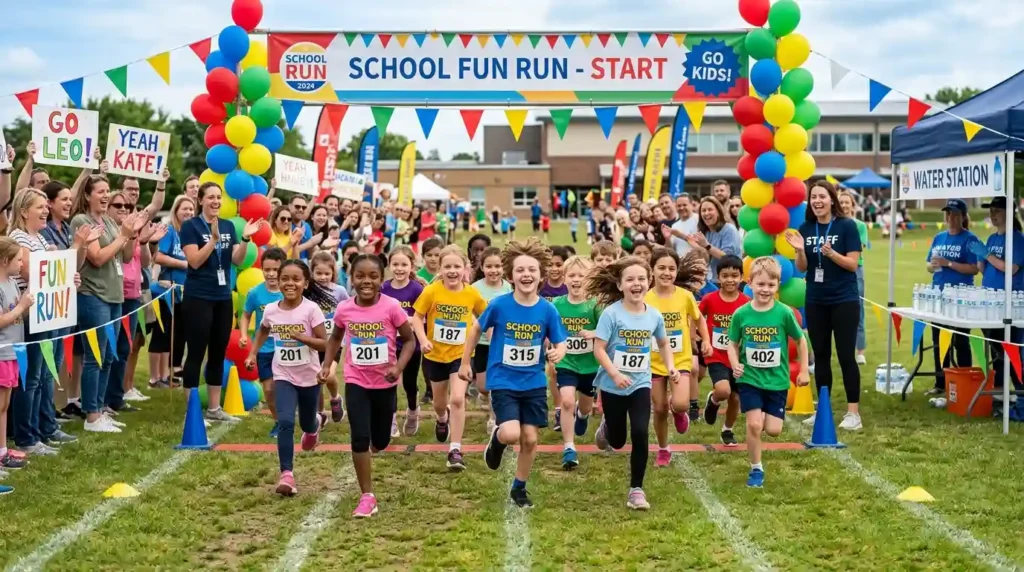
At its core, a children’s fun run is a non-competitive running event created specifically to build positive experiences around health and fitness. Unlike traditional track meets or adult road races, speed and finishing times do not matter here.
The primary goal is simply crossing the finish line with a smile. Every child who participates earns recognition for their effort, helping them associate outdoor exercise with happiness rather than stress.
The Evolution of Youth Fitness Events
Decades ago, school fitness tests often involved timed mile runs that made many kids feel anxious or embarrassed. Teachers and community leaders eventually realized that high-pressure environments often turned children away from athletics entirely.
Enter the modern children’s fun run model, which began gaining massive popularity in the early 2000s. By introducing foam cannons, obstacles, costume themes, and colorful powder, organizers successfully rebranded exercise into play.
Key Differences Between Fun Runs and Race Meets
Traditional running meets focus heavily on personal records, precise clock timing, and strict lane rules. They cater primarily to experienced student-athletes who train for specific distance goals.
In contrast, a children’s fun run welcomes kids of all athletic abilities, including total beginners and young children with mobility challenges. The course is flexible, untimed, and frequently packed with playful distractions like bubble stations or music zones.
Why Fun Runs Belong in the FUNS Niche
The FUNS niche—focused on family, unique activities, sports, and social events—thrives on shared joyful moments. A children’s fun run fits this category perfectly because it blends entertainment with healthy habits.
It gives families a reason to spend an active morning together away from digital screens. Plus, the bright costumes and goofy finish line moments create photos that families cherish for a lifetime.
Amazing Benefits of Fun Runs for Kids
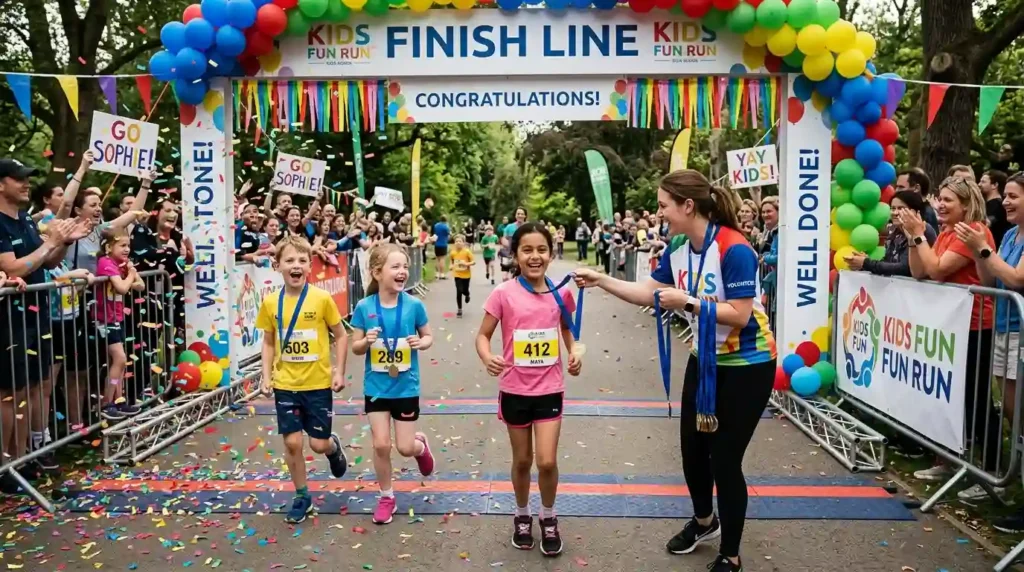
Participating in a group running event offers advantages that stretch far beyond physical exercise. It helps children grow emotionally, socially, and mentally while having a blast outdoors.
When children experience physical movement as a party, they naturally develop healthier habits that follow them straight into adolescence.
Boosting Physical Health and Motor Skills
Running naturally strengthens young hearts, lungs, and growing bones. Regular aerobic play improves stamina, balance, and core coordination without feeling like a tedious workout routine.
It also gives kids a productive outlet for excess energy, leading to better sleep patterns and improved focus in the classroom.
Building Resilience and Confidence
Crossing a finish line gives a child an incredible surge of pride. For many young kids, completing a 1-mile course is the longest distance they have ever traveled on their own two feet.
This sense of achievement teaches kids that they can accomplish difficult tasks through steady effort. That newfound confidence often spills over into schoolwork and new social settings.
Encouraging Social Connection and Teamwork
Unlike solo sports where children might feel isolated, a children’s fun run emphasizes shared camaraderie. Children run alongside classmates, siblings, and neighbors while cheering each other on.
They learn to pace themselves with friends, high-five spectators, and congratulate fellow runners at the finish line. It fosters a welcoming team atmosphere where nobody gets left behind.
Establishing Lifelong Healthy Habits
Childhood is the critical window when lifelong attitudes toward physical activity take root. When kids learn that fitness involves fun themes, music, and family support, they view exercise positively.
Rather than seeing workout routines as a chore, they begin seeking out active hobbies naturally as they grow older.
Popular Themes That Kids Absolutely Love
Adding a creative theme is the single easiest way to turn a basic running track into an unforgettable adventure. A great theme sparks imagination and gets kids excited to dress up long before race day arrives.
Here are four extremely popular themes that guarantee high attendance and enthusiastic participation.
Color Powder Runs
Color runs are an absolute hit with kids of all ages. Volunteers stand at designated color stations along the course, gently tossing non-toxic, brightly colored cornstarch powder over runners as they pass.
By the time children cross the finish line, their white T-shirts are transformed into vibrant tie-dye masterpieces. It creates incredible photo opportunities that parents love sharing with family.
Superhero Capes and Costume Dashes
Nothing makes a kid run faster than wearing a flowing cape that flutters in the wind behind them. Costume-themed runs encourage children to dress up as their favorite comic book heroes, fairytale characters, or wild animals.
You can hand out lightweight superhero capes at registration to make every runner feel instantly powerful and fast.
Foam and Bubble Adventures
Imagine running through giant clouds of soft, fluffy foam on a warm summer morning. Foam generators placed along the running course blow harmless, soapy suds over the track, creating a magical wonderland.
Younger children especially love chasing bubbles as they jog, turning a standard running path into a playful playground.
Obstacle Course and Mud Runs
For older kids who love a physical challenge, adding mild obstacles introduces a fantastic element of adventure. Courses can include hay bale leaps, cardboard box tunnels, crawling under soft cargo nets, and navigating gentle mud pits.
These obstacles test balance and agility while keeping the course dynamic and unpredictable from start to finish.
Recommended Running Distances by Age Group
Choosing the correct distance is essential for keeping a children’s fun run safe, enjoyable, and age-appropriate. Pushing young children too far can lead to exhaustion, while making a course too short might leave older kids feeling unchallenged.
Always match the course length to the physical development level of your target age group.
Toddlers and Preschoolers (Ages 2 to 4)
For tiny runners, the ideal distance is a short dash between 50 meters and 200 meters. Their attention spans are short, and their gait is still developing.
A straight-line sprint across a soft grass field toward waiting parents with open arms is usually the best setup for this age.
Early Elementary (Ages 5 to 7)
Children in early elementary school can comfortably handle distances ranging from 400 meters to 800 meters (roughly a quarter-mile to a half-mile).
At this stage, kids love pacing themselves alongside friends, especially if the course features fun distraction stations like music or color drops along the way.
Late Elementary (Ages 8 to 10)
Kids in this age bracket have developed better stamina and motor control, making a full 1-mile (1.6 km) run perfectly suited for them.
They enjoy learning basic pacing strategies, such as avoiding a full sprint during the first hundred yards so they have energy left for a strong finish.
Middle Schoolers (Ages 11 to 14)
Older children can tackle distances between 2 kilometers and a traditional 5K (3.1 miles) if they have done a bit of casual preparation beforehand.
Mixing in gentle obstacles or timed split challenges keeps this older demographic fully engaged and motivated.
Step-by-Step Guide to Organizing a School or Community Fun Run
Hosting an event requires thoughtful planning, clear communication, and strong attention to safety details. When planned properly, a children’s fun run can become the most anticipated annual community event on your calendar.
Follow this logical sequence to plan a seamless, stress-free event from scratch.
Step 1: Secure Location, Permits, and Dates
Start by picking a safe venue completely free from moving vehicular traffic, such as a school athletic field, local park, or enclosed stadium track. Grass surfaces are much gentler on growing joints than hard asphalt or concrete streets.
Check with your local city council or school district to secure necessary permits and reserve your event date at least three months in advance.
Step 2: Establish a Clear Budget and Fundraising Goal
Determine if your event is purely a recreational community day or a charitable fundraiser. If raising money for school equipment or local children’s hospitals, decide how registration fees or pledge sponsorships will work.
Calculate costs for finisher medals, bib numbers, water stations, color powder, sound equipment, and basic insurance coverage.
Step 3: Recruit Enthusiastic Volunteers
An event is only as good as its volunteer support team. Reach out to parents, local high school sports teams, and civic clubs to fill critical race-day roles.
Assign volunteers to clear tasks:
- Setting up registration tables and handing out race bibs
- Guiding runners along course turns as course marshals
- Tossing color powder or managing foam machines
- Handing out cold water cups at hydration stations
- Placing medals around children’s necks at the finish line
Step 4: Map Out a Safe and Clear Course
Design a course loop that allows spectators to view the runners easily without blocking the running path. Mark the track clearly using bright orange cones, lawn flags, and chalk lines.
Avoid sharp turns, narrow bottlenecks, or hidden obstacles like exposed tree roots and deep holes that could cause tripping hazards.
Step 5: Plan Race Day Entertainment and Sound
Music sets the energy level for the entire morning. Set up a portable sound system near the start line to play upbeat, family-friendly pop tunes while runners gather.
Hire an energetic announcer to welcome families, explain course rules, lead a group warm-up, and call out runners’ names as they cross the finish line.
How Parents Can Prepare Kids for Race Day
If your child is attending their first children’s fun run, a little bit of preparation goes a long way toward eliminating nervous jitters. The key is keeping all pre-race activities lighthearted and pressure-free.
Here is how you can help your child feel confident and ready to shine on big event day.
Fun Backyard Training Games
Forget boring track workouts. Help your child build stamina through playful backyard games like red-light-green-light, tag, or relay races with squeeze toys.
Set up mini training courses in your yard using lawn chairs as slalom poles. Celebrate every practice lap with high-fives and silly dances to keep motivation high.
Choosing the Right Gear and Footwear
Proper shoes are the most important piece of gear your child needs. Make sure they wear comfortable, well-fitting athletic sneakers with decent arch support and non-slip rubber soles.
Never let a child run in brand-new shoes on race day, as fresh leather can cause painful heel blisters. Pair their sneakers with moisture-wicking socks and lightweight clothing suitable for the weather.
Nutrition and Hydration Tips for Kids
On the evening before the run, serve a balanced meal containing familiar carbohydrates, such as pasta, rice, or sweet potatoes, along with lean protein. Avoid heavy, greasy foods or high-fiber meals that might upset a sensitive stomach.
On race morning, offer a simple snack about one to two hours before start time. Great options include:
- A banana with a thin layer of peanut butter
- A small bowl of oatmeal topped with berries
- A piece of whole-wheat toast
- A small handful of pretzels and a glass of fresh water
Encourage your child to sip water throughout the morning, but avoid heavy sugary energy drinks right before the starting whistle.
Managing Pre-Race Jitters and Anxiety
It is completely normal for young children to feel a little overwhelmed by big crowds, loud music, and cheering spectators. Reassure them that the event is not a test and nobody cares who comes in first place.
Remind them that their only job is to move forward, have fun, and enjoy the party atmosphere. Walking during the course is totally allowed and fully encouraged whenever they feel tired.
Creating an Unforgettable Finish Line Experience
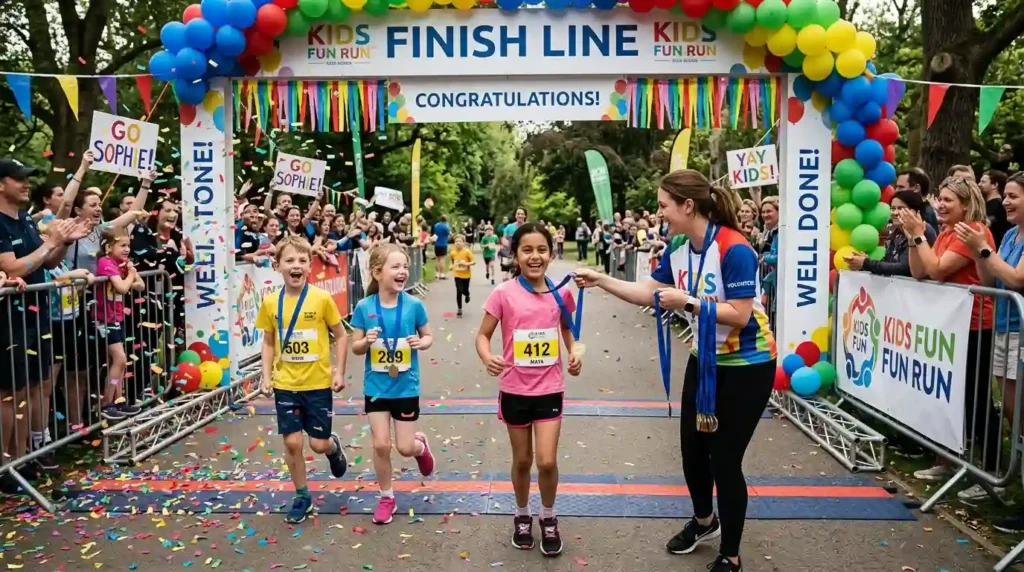
The finish line area is where the magic of a children’s fun run comes alive. It is the spot where tired legs turn into celebratory dance moves and beaming smiles.
Investing extra effort into the finish chute ensures every child leaves feeling like an absolute champion.
Every Child Earns a Medal
One fundamental rule of a successful children’s fun run is that every single participant gets a finisher medal. Custom wooden or metal medals on colorful neck ribbons make kids feel immensely proud of their effort.
Handing out medals immediately as children cross the line creates an instant reward moment that reinforces their hard work.
Healthy Finish Line Snacks and Goodie Bags
After finishing the course, kids need to refuel their energy reserves. Set up tables packed with kid-friendly recovery snacks like sliced oranges, watermelon wedges, apple slices, yogurt pouches, and cool water bottles.
You can also hand out small goodie bags containing fun non-food treats like temporary tattoos, bouncy balls, bubble wands, and colorful stickers.
Photo Booths and Celebration Zones
Parents love capturing the excitement of race day on camera. Set up a dedicated photo backdrop area featuring colorful banners, goofy photo props, giant inflatable finish arches, and podium stands.
Allow kids to pose with their medals, show off their color-covered shirts, and take group pictures with their friends and family members.
Fun Historical Facts About Running and Fitness
Kids love learning weird and wonderful facts about human history! Sharing these surprising tidbits with young runners during training walks can spark their curiosity and make running feel even cooler.
Here are four fun historical running facts you can share with your young athlete.
The Original Marathon Legend
Did you know the modern marathon distance was inspired by an ancient Greek messenger named Pheidippides? Legend says he ran all the way from a battlefield in Marathon to Athens in 490 BCE to deliver news of a military victory.
He ran over 25 miles on rough dirt roads without stopping! Today, millions of people run marathons around the world to celebrate that incredible ancient journey.
Sneaker Inventions and Waffles
In the early 1970s, a famous track coach named Bill Bowerman wanted to create a lighter running shoe sole with great grip. He poured liquid rubber directly into his wife’s kitchen waffle iron!
That sticky, waffle-patterned rubber experiment led directly to the modern athletic shoe soles that kids wear to school every day.
The Longest Race in the World
The world’s longest certified footrace is called the Self-Transcendence 3100 Mile Race held in New York City. Runners have 52 days to complete 3,100 miles by running 5,600 laps around a single city block!
Participants average over 60 miles a day! That is the equivalent of running across the entire United States on foot.
Animals Are Natural-Born Distance Runners
While cheetahs are the fastest sprinters on the planet over short distances, humans are actually among the best long-distance endurance runners in the animal kingdom!
Thanks to our unique ability to sweat and cool down while moving, ancient humans could outrun horses and antelopes over extremely long distances on hot, sunny days.
Safety Measures and Risk Management
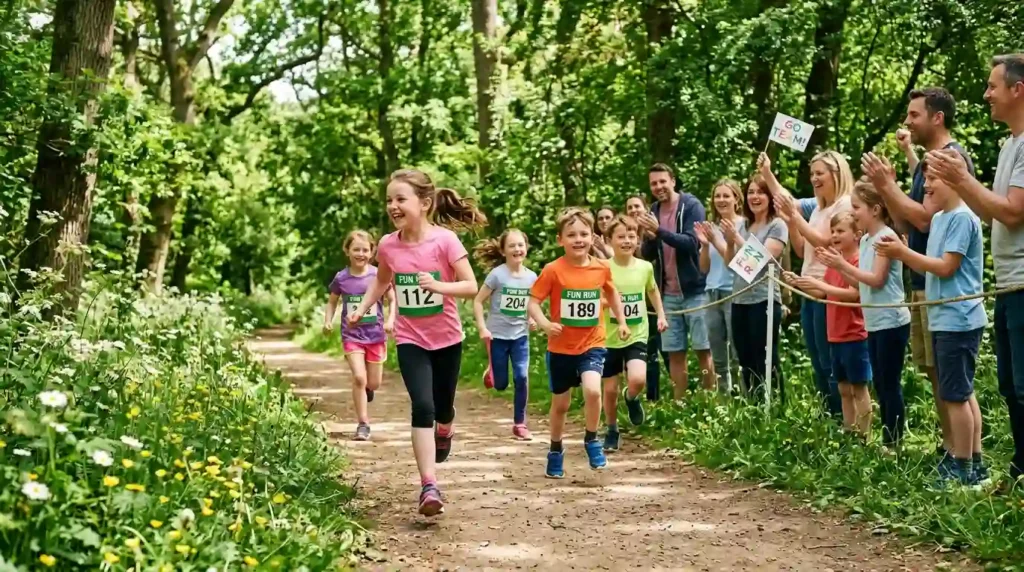
Keeping young runners safe is the absolute top priority for any event organizer or parent. A safe environment ensures that the day remains purely joyous without unexpected injuries or scary moments.
Implementing simple safety protocols keeps everything running smoothly from start to finish.
Medical Stations and First Aid Readiness
Set up a clearly marked first aid tent near the finish line staffed by trained volunteers, school nurses, or local EMTs. Stock the tent with plenty of bandages, ice packs, antiseptic wipes, eye-wash solution, and sting relief cream.
Keep a basic log of any minor scrapes so parents are fully informed when picking up their children.
Lost Child Protocols and Identifier Wristbands
When hundreds of children gather in one place, it is easy for a curious kid to wander off toward a bubble machine. Issue matching numbered wristbands or bibs to both parents and children at registration check-in.
Write parent phone numbers directly on the inside of the child’s wristband with a permanent marker. Establish a clear “Lost Parent Zone” near the main sound booth where volunteers bring lost children immediately.
Weather Contingency Plans
Outdoor events are always subject to unpredictable weather conditions. Establish clear guidelines for rainy, extremely hot, or stormy conditions well in advance.
If temperatures are high, add extra water misting stations along the track and shorten the course distance. Always postpone or move the event indoors if severe lightning or heavy storms threaten the region.
MCQs
Test your knowledge about organizing, preparing for, and understanding a children’s fun run with these multiple-choice questions!
- What is the main activity in a children’s fun run?
A) Swimming
B) Running
C) Cooking
D) Drawing - Who usually participates in a children’s fun run?
A) Children
B) Pilots
C) Chefs
D) Drivers - What should children wear for a fun run?
A) Comfortable sports clothes
B) Winter coats
C) Formal suits
D) School uniforms - What type of shoes are best for running?
A) Running shoes
B) Slippers
C) High heels
D) Dress shoes - Why do children enjoy fun runs?
A) They can exercise and have fun
B) They have to stay indoors
C) They watch movies
D) They play video games - What can children drink after running?
A) Water
B) Cooking oil
C) Paint
D) Shampoo - A children’s fun run can help promote what?
A) Physical activity
B) Laziness
C) Sleeping all day
D) Staying indoors - What might children receive after finishing a fun run?
A) Medal or certificate
B) Homework
C) Furniture
D) Bookshelf - Where can a children’s fun run take place?
A) Park or sports field
B) Kitchen
C) Library shelf
D) Movie theater - What is one important goal of a fun run?
A) Enjoying healthy activity
B) Avoiding exercise
C) Staying quiet
D) Sleeping
Answer Key:
1-B, 2-A, 3-A, 4-A, 5-A, 6-A, 7-A, 8-A, 9-A, 10-A
FAQs
What age is appropriate for a children’s fun run?
Children as young as two years old can participate in short fun run dashes. Events usually offer tiered age categories ranging from toddler sprints up to 5K runs for teenagers, ensuring that every kid enjoys a safe and appropriate physical challenge.
Do kids need to train formally for a fun run?
No formal athletic training is required for casual fun runs. Playing active games like tag, jumping rope, or taking family walks in the park during the weeks leading up to event day provides plenty of physical preparation for young participants.
What should my child wear to a color fun run?
Wear plain white cotton t-shirts so the non-toxic colored powder stands out vibrantly. Pair the shirt with older shorts and sneakers that you do not mind getting dirty, and bring sunglasses to protect your child’s eyes from loose powder dust.
Can parents run alongside younger children during the race?
Yes, most fun runs actively encourage parents to jog or walk alongside younger children. Running together creates a supportive environment, helps calm pre-race anxiety, and allows families to share a wonderful fitness experience as a team.
What happens if a child gets tired and needs to walk?
Walking is completely allowed and fully supported at any point along the fun run course. The event is untimed and non-competitive, so kids can pause, walk, grab water, or rest whenever their bodies need a quick break.
Are the colored powders used in fun runs safe for kids?
Yes, the colored powder used in reputable fun runs is made from non-toxic, food-grade cornstarch and natural dyes. It is completely safe for skin contact, though wearing sunglasses prevents minor eye irritation from blowing dust.
How do school fun runs raise money?
School fun runs raise funds through flat registration fees, local business sponsorships, or pledge platforms where family members donate money for every lap a student completes. It is an active, healthy alternative to selling wrapping paper or candy bars.
Conclusion
A children’s fun run is far more than just a simple sporting event on a Saturday morning. It is a vibrant celebration of youth, family, health, and community spirit that leaves kids feeling proud, energized, and confident in their own abilities.
By focusing on creative themes, supportive encouragement, and simple safety measures, you can create active memories that inspire young runners to stay healthy for life.
Are you ready to lace up those sneakers and cheer on the next generation of runners? Gather your local community, pick a fun theme, and start planning your own unforgettable event today!

Ethan Danial is the creator and lead writer behind FunWhirls.com, a fun-focused platform dedicated to entertaining ideas, fascinating facts, funny moments, creative lists, and content that sparks curiosity. With a genuine love for discovering interesting and unexpected topics, Ethan enjoys turning simple ideas into engaging content that readers can enjoy, learn from, and share. His approach is centered on making every article easy to read, enjoyable, and worth coming back to.
At FunWhirls.com, Ethan Danial explores the lighter and more entertaining side of everyday life. He creates content for readers who love discovering something new, having a quick laugh, or simply taking a break from the ordinary. From curious facts to playful ideas and entertaining discoveries, Ethan aims to keep the content fresh, positive, useful, and engaging for readers of all kinds.