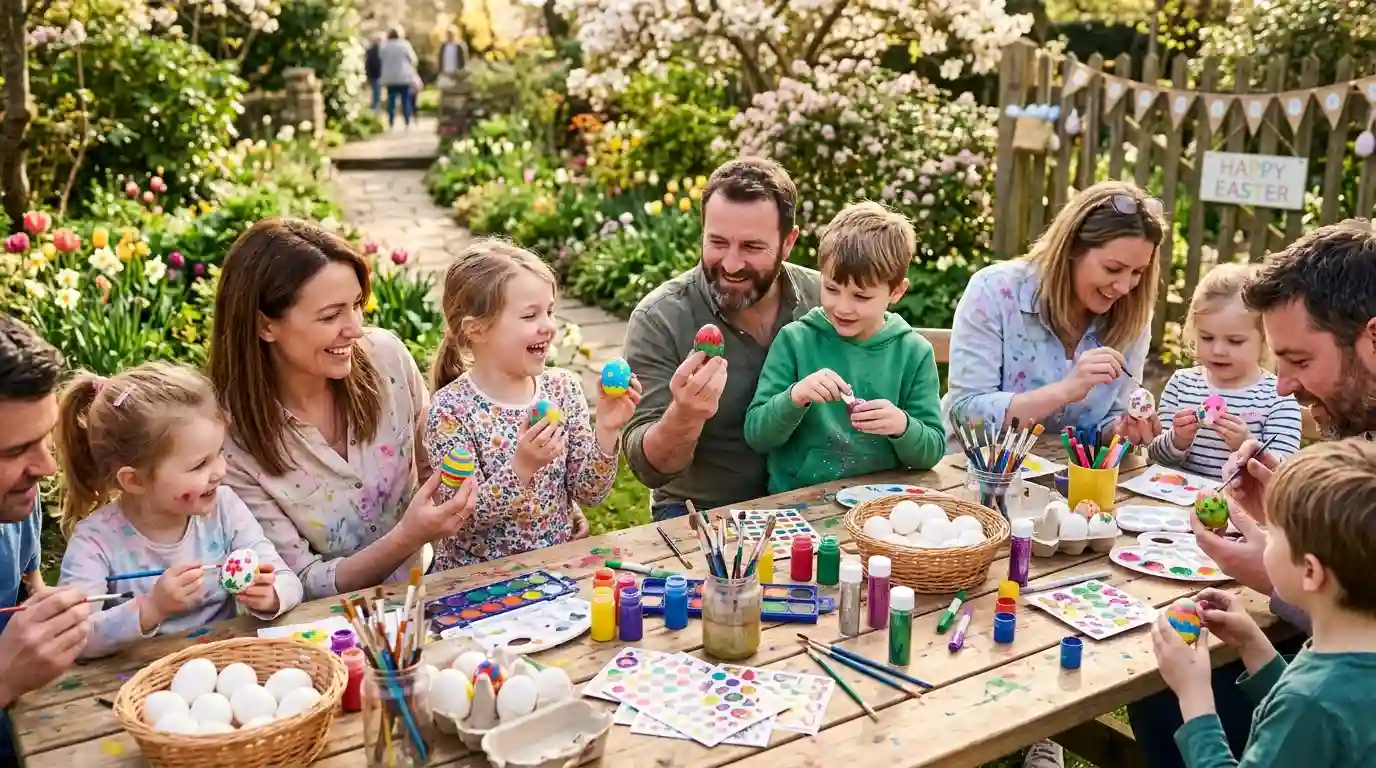
Finding fun easter games involves choosing activities tailored to your group’s age, physical space, and budget. Popular choices include classic egg-and-spoon races, indoor riddle-based scavenger hunts, plastic egg color matches for toddlers, and trivia or lawn bowling for adults. These activities combine simple rules, cheap supplies, and engaging friendly competition.
Planning holiday gatherings often brings up one big question: how do you keep every guest happily entertained? Organizing engaging, fun easter games turns an ordinary family brunch into an unforgettable event filled with laughter.
Whether you host toddler cousins in the backyard or entertain teens in the living room, simple activities create lasting holiday memories. You do not need expensive supplies or hours of prep work to pull off a fantastic celebration.
Let us explore creative, easy-to-run fun easter games that get everyone moving, smiling, and celebrating together.
Why Group Activities Make Holiday Gatherings Unforgettable
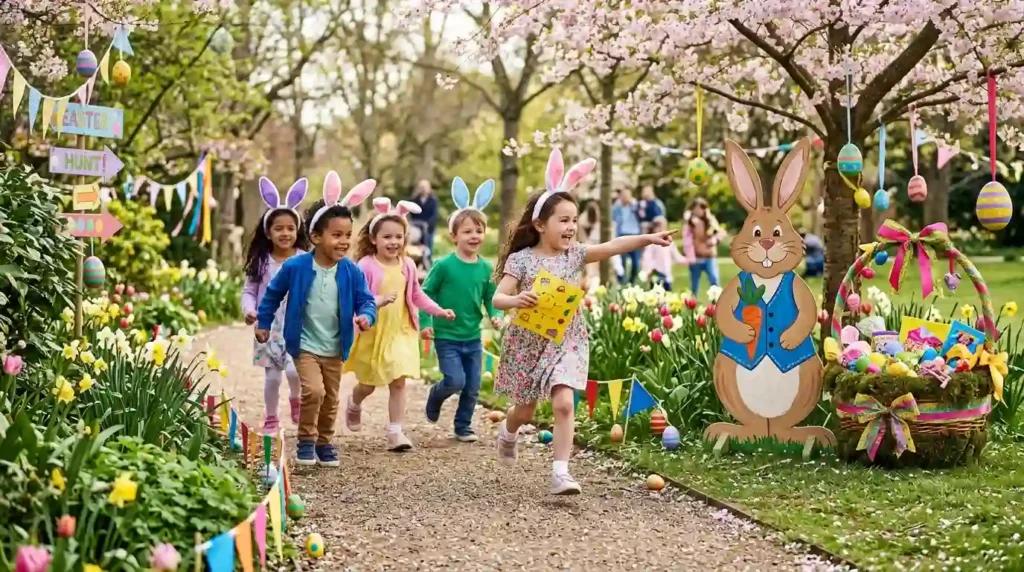
Holidays bring people together, but structured activities give everyone a shared goal. Sitting on the couch and talking works fine, but energetic challenges break the ice much faster.
Organizing active, fun easter games creates natural opportunities for different generations to bond. Grandparents can team up with young grandchildren, while parents sit back and record videos of the hilarious competitions.
Breaking the Ice for Guests of All Ages
Family reunions can feel a bit awkward at first, especially for shy youngsters or relatives who have not met in years. Lighthearted movement helps people relax quickly.
Games act as natural conversation starters. When someone accidentally drops an egg on the grass, everyone laughs together, dissolving any lingering holiday awkwardness.
Creating Lasting Traditions Across Generations
Think back to your own childhood holiday celebrations. You likely remember the excitement of finding hidden surprises far more than the actual food on your plate.
Establishing annual challenges builds anticipation for future years. Kids will talk about last year’s victories and plan new strategies months before the holiday arrives.
How to Organize Successful Games for Any Space
Planning a holiday event requires matching your venue with the right activity style. A small city apartment calls for completely different setups than a spacious fenced lawn.
Before buying supplies, look at your available space, weather forecasts, and total guest headcount. Small tweaks in organization prevent chaos and ensure everyone stays safe.
Outdoor Planning and Weather Contingencies
Outdoor events give players plenty of room to run, jump, and shout. Open grass fields prevent bumps and allow for larger team challenges.
- Always test lawn areas for mud, hidden rocks, or slick spots before letting children run around.
- Prepare a quick indoor backup plan in case unexpected rain showers arrive during your party.
- Secure lightweight plastic eggs with small stones or heavy candy so spring wind does not blow them away.
Indoor Adapting for Small Living Rooms
Indoor challenges require careful boundaries to keep furniture and breakable decorations safe. Focus on dexterity, memory, and strategy rather than full-sprint races.
- Move coffee tables and floor lamps away from the main playing zone to create a clear circle.
- Use soft materials like cotton balls, plastic shells, and fabric socks instead of real fragile eggs.
- Designate quiet seated activities for carpeted areas to keep energy levels manageable inside.
Classic Outdoor Challenges for High Energy Fun
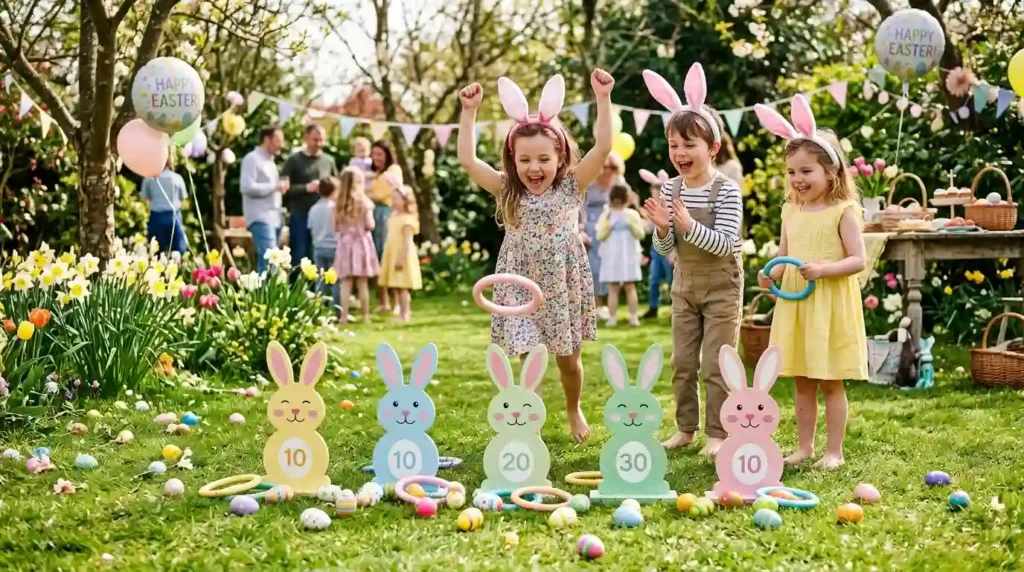
Outdoor spaces let you host physical challenges that burn off sugary holiday energy. Traditional lawn sports remain popular because the rules take only ten seconds to explain.
You can modify these energetic challenges using items found around your house or local dollar store.
The Great Egg-and-Spoon Balance Race
This timeless classic tests patience, hand-eye coordination, and speed. Line players up at a starting mark, give each person a wooden spoon, and place an egg carefully on top.
Supplies Needed for the Race
Gather wooden or plastic kitchen spoons for every participant. You can use hard-boiled eggs for older kids or lightweight wooden eggs for toddlers.
Marker cones or outdoor lawn chairs work great to mark the turn-around spot. Keep paper towels nearby if you choose unboiled real eggs for high-stakes adult rounds.
Rules and Gameplay Setup
Players hold their spoon handle with one hand and keep their other hand placed behind their back. At the signal, they march fast toward the turning marker without dropping their cargo.
If an egg hits the grass, the player must return to the start line or freeze for five seconds before continuing. The first player to cross the finish line with an intact egg wins the round.
Giant Sack Hopping Challenge
Burlap sack races get everyone laughing instantly as players hop awkwardly toward the finish line. You can buy traditional burlap bags or use heavy-duty pillowcases for smaller children.
Line participants side-by-side along a flat section of grass. Ensure the hopping lane is free of sticks, garden hoses, or uneven tree roots that could cause trips.
Players step into their sacks, pull the top edges up to their waists, and hop forward on signal. To make things interesting, create a relay style where teammates tag each other before jumping.
Blindfolded Lawn Navigation
This teamwork game pairs one blindfolded runner with a teammate who gives vocal directions from the sidelines. Scatter plastic egg shells across the lawn to serve as obstacles and collectibles.
The blindfolded player holds a basket and follows their partner’s voice commands to pick up target colors while dodging obstacle cones. The team that collects five targeted items fastest takes home the title.
Creative Indoor Games for Cozier Celebrations
When space is limited, or spring rain keeps everyone inside, transition to indoor-friendly challenges. These low-mess options keep players engaged without risking damage to house items.
Indoor challenges emphasize puzzle-solving, quick thinking, and subtle physical coordination.
Plastic Shell Color Stacking Contest
This fast-paced tabletop game uses split plastic egg halves that usually hold candy. Dump fifty colorful top halves and bottom halves onto a kitchen table.
Rules for Building Egg Towers
Give each player sixty seconds on a digital timer. Players use one hand to grab matching shell colors and stack them into a vertical tower.
The goal is to build the highest stable tower without it tipping over onto the tablecloth. If a tower collapses during construction, the player must rebuild from scratch before time expires.
Variations for Different Ages
Young children can use both hands and stack any color combination they find. This helps toddlers practice fine motor skills while keeping the rules simple and rewarding.
For adults, enforce a strict one-hand rule and mandate specific color sequences, such as pink, yellow, blue, and green in repeating order.
The Silent Bunny Scavenger Hunt
Instead of a noisy dash for hidden treats, turn your hunt into a quiet strategic puzzle quest. Hide plastic shells throughout public rooms like the den, kitchen, and hallway.
Give each participant a custom clue sheet containing short riddles or simple visual clues. Each clue leads directly to a specific hidden container containing a puzzle piece.
Once players collect all their designated pieces, they assemble at the dining table to complete a holiday jigsaw puzzle. This format keeps noise low while maintaining high engagement.
Spoon Roll Precision Putting
Transform a hallway carpet into a mini golf putting green using a soup ladle and real hard-boiled eggs. Tape numerical scoring targets onto the floor at varying distances.
Players kneel at the starting line and roll their egg across the carpet using the back of a ladle. Because hard-boiled eggs wobble unpredictably, hitting high-value scoring zones requires surprisingly delicate touch.
Engaging Challenges Tailored by Age Group
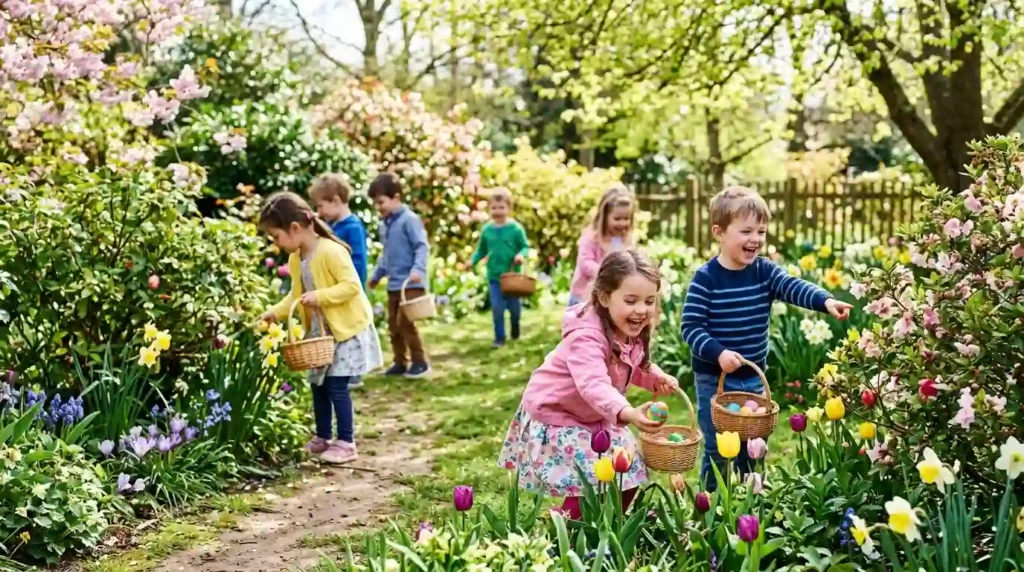
A game that thrills a four-year-old will likely bore a teenager, while complex rules frustrate young toddlers. Tailoring your event agenda to specific age tiers keeps every guest smiling.
Matching skill levels prevents tears from younger players and keeps older kids from losing interest.
Toddler-Friendly Sensory and Sorting Games
Toddlers thrive on simple sensory experiences, bright primary colors, and clear boundaries. Keep instructions brief and focus on rewarding exploration rather than strict competition.
- Color Matching Basket Dash: Place colored buckets around the room and have toddlers sort plastic shells by shade.
- Shaving Cream Egg Hunt: Hide plastic toys inside shallow tubs filled with whipped topping or shaving foam for tactile discovery.
- Bunny Footprint Follow: Tape colorful paper paw prints across the floor for toddlers to step on as they follow a path to treats.
Thrilling Competitions for Teens and Adults
Teenagers and adults enjoy higher stakes, funny penalties, and strategic team dynamics. Add digital elements or physical handicaps to make simple mechanics challenging.
- Flashlight Night Hunt: Hide dark-colored plastic containers outdoors after sunset and let teams hunt using handheld flashlights.
- Holiday Trivia Showdown: Host a pub-style quiz night covering holiday traditions, pop culture bunnies, and famous spring history.
- Gloved Candy Unwrap: Players wear thick winter oven mitts while trying to unwrap tiny foil-wrapped chocolate treats against a countdown clock.
Game Categories and Planning Guide
Organizing a well-rounded holiday itinerary requires balancing different activity styles to keep every guest entertained. Categorizing your activities by location, age group, and prep time helps you structure a smooth event flow that prevents fatigue and keeps energy levels high. By pairing fast-paced outdoor challenges with focused indoor tabletop puzzles, you can easily adapt to changing weather conditions, varying room sizes, and different player preferences throughout the day.
Matching Activities to Your Physical Space
Choosing the right venue for each game ensures maximum fun while keeping safety a top priority. High-energy activities like sack hopping and relay races demand wide-open lawn spaces to prevent accidental collisions and tripping hazards. Conversely, compact indoor areas like dining rooms or hallways are perfect for low-impact precision games, tile-placement challenges, or riddle-based searches that protect household furniture while maintaining friendly competition.
Tailoring Game Rules by Player Age Group
A successful event offers tailored challenges that cater specifically to the abilities of toddlers, teens, and adults. Younger children thrive on colorful sensory sorting and simple movement tasks that do not enforce strict penalties or complex scoring rules. Older participants and adults respond much better to higher stakes, team strategy, physical handicaps, or timed puzzle challenges that encourage playful banter and lively rivalries.
Streamlining Event Logistics and Prep Time
Effective preparation ensures you spend less time setting up equipment on the big day and more time enjoying the celebration with your guests. Sorting your supplies into labeled totes or baskets a few days in advance allows you to transition between games in minutes. Keeping track of required setup times helps you maintain a seamless party pace, giving players just enough time to rest, grab a drink, and move directly into the next exciting activity.
Simple DIY Supplies You Can Prep in Advance
You do not need to buy commercial party packs to host memorable activities. Common household items can easily be repurposed into custom game equipment with a little imagination.
Prepping your supplies a day or two early keeps your actual holiday morning stress-free and smooth.
Repurposing Household Items
Check your kitchen cabinets and recycling bins before visiting retail stores. Cardboard egg cartons, clean plastic jars, and spare paper towels serve as fantastic building materials.
- Cut egg cartons into individual cups to make target rings for marble toss games.
- Draw funny faces on empty plastic water bottles to serve as pins for lawn bowling.
- Save cardboard shoe boxes, cut round holes in the lids, and build simple beanbag toss targets.
Dollar Store Hacks for Cheap Gear
Discount stores offer incredible value for seasonal party hosts. You can grab plastic shells, baskets, ribbons, and small prize toys for very little money.
- Buy pool noodles, bend them into arches, and stake them into lawn grass to build a mini croquet course.
- Grab giant plastic lawn buckets to store game gear neat and organized throughout the afternoon.
- Stock up on brightly colored painter’s tape to mark start lines, indoor targets, and boundary zones safely on floors.
Step-by-Step Guide to Hosting a Smooth Event
Running a successful game schedule requires a clear flow so guests do not get bored standing around. A little structure behind the scenes makes the party feel effortless to your attendees.
Follow these logical steps to keep energy levels balanced from start to finish.
Setting Up the Play Zone
Prepare your physical areas before your guests arrive at the house. Clear away obstacles, set up prize tables, and place supply baskets near each designated activity station.
- Inspect outdoor grass or indoor carpets for potential safety hazards like sharp items or loose rugs.
- Mark clear boundary lines using visual markers like painter’s tape, lawn flags, or orange cones.
- Group your game gear into labeled tote bags so you can grab supplies without delay.
Managing Game Flow and Energy Levels
Pacing keeps your party dynamic and prevents exhaustion. Alternate between high-intensity running games and calmer indoor or tabletop challenges.
- Kick off the party with a high-energy group activity to get everyone involved immediately.
- Transition to low-mess tabletop challenges while guests relax or digest their holiday meal.
- Finish the schedule with a memorable grand finale event, like a massive team relay or night hunt.
Creative Prize Ideas Beyond Just Candy
Chocolate bunnies and candy bars are traditional holiday staples, but offering varied rewards keeps competition friendly and exciting. Creative prizes add extra incentive for players to try their best.
Mix practical rewards with funny trophy items to keep the atmosphere lighthearted.
Dollar-Friendly Favors for Children
Kids love receiving tangible items they can play with immediately after the challenges conclude. Focus on small, interactive toys rather than giant piles of sugar.
- Outdoor Chalk Sets: Bright sidewalk chalk packs let kids decorate driveways once official games finish.
- Bubbles and Whistles: Small novelty bottles and noisemakers provide instant entertainment outdoors.
- Mini Activity Books: Coloring pads and sticker sheets offer quiet downtime options after active running races.
Funny Trophies for Teens and Adults
Adults often compete harder for goofy bragging rights than actual material rewards. Homemade silly trophies quickly become beloved annual traditions.
- Golden Spoon Award: Spray-paint a cheap kitchen wooden spoon bright gold and mount it on a wood block.
- The Cracked Egg Trophy: Glue a broken plastic shell onto a painted base and write the event date on the side.
- Prize Baskets: Assemble custom baskets filled with gourmet coffee beans, specialty snacks, or hot sauces for adult winners.
Safety and Inclusivity Tips for All Players

Every guest at your gathering deserves to participate and feel included regardless of physical ability or age. Thoughtful game design ensures no one feels left sitting on the sidelines.
A few minor rule adjustments keep every activity safe, comfortable, and fair for all participants.
Adapting Rules for Mobility Needs
Modify traditional physical rules so guests with mobility challenges or limited stamina can compete fully alongside family.
- Allow seated players to roll items down plastic ramps or tubes instead of tossing by hand.
- Create team formats where one partner handles physical movement while the other solves mental riddles.
- Lower target distances or widen goal zones to accommodate players with visual or motor impairments.
Food Allergy Precautions for Treat Hunts
If your hidden eggs or prize baskets contain edible items, take strict precautions regarding common food allergies like nuts, dairy, or gluten.
- Use non-food items like small coins, stickers, or mini erasers inside hidden plastic shells.
- Color-code egg shells containing allergen-free treats so sensitive players know which ones are safe to open.
- Keep original food packaging on hand so parents can double-check ingredient labels before kids eat treats.
MCQs
1. Which game involves searching for hidden Easter eggs?
A) Egg Hunt
B) Musical Chairs
C) Tug of War
D) Hide and Seek
2. What do players usually carry during an Easter egg hunt?
A) Baskets
B) Balls
C) Books
D) Flags
3. In an Easter egg relay, what is commonly carried?
A) An egg
B) A balloon
C) A toy car
D) A flower
4. Which activity lets children decorate Easter eggs?
A) Egg Painting
B) Egg Bowling
C) Egg Swimming
D) Egg Racing
5. Which animal is strongly associated with Easter games and decorations?
A) Rabbit
B) Tiger
C) Elephant
D) Lion
6. What can be used as a target in a bunny-themed ring toss game?
A) Bunny-shaped targets
B) Books
C) Chairs
D) Plates
7. Where can Easter games commonly be played?
A) Gardens and backyards
B) Libraries only
C) Offices only
D) Classrooms only
8. What is often hidden during an Easter treasure hunt?
A) Easter baskets or treats
B) School bags
C) Shoes
D) Pencils
9. Which season is Easter commonly celebrated in?
A) Spring
B) Winter
C) Autumn
D) Summer
10. What is the main purpose of fun Easter games?
A) To enjoy time together
B) To study all day
C) To sleep
D) To work quietly
Answer Key
- A) Egg Hunt
- A) Baskets
- A) An egg
- A) Egg Painting
- A) Rabbit
- A) Bunny-shaped targets
- A) Gardens and backyards
- A) Easter baskets or treats
- A) Spring
- A) To enjoy time together
FAQs
What are the best fun easter games for very small indoor spaces?
Tabletop egg stacking, spoon rolling along hallway carpets, and riddle-based scavenger hunts work wonderfully in small rooms. These activities keep guests fully entertained without requiring wide running spaces or risking household furniture damage.
How can I make an egg hunt fair for children of different ages?
Designate separate hunting zones based on age groups or assign specific shell colors to each child. Younger children hunt for bright pink shells hidden in plain sight, while older kids search for hard-to-spot green shells high up.
What can I use instead of real eggs for balance races to avoid mess?
Wooden eggs, plastic shells weighted with play dough, or ping pong balls work as mess-free substitutes. They provide the same balance challenge without leaving broken shells or liquid yolks on your indoor carpets or lawn grass.
How many games should I plan for a two-hour family gathering?
Planning three to four distinct activities provides plenty of entertainment without overwhelming your guests. Allow roughly fifteen to twenty minutes per challenge, leaving ample time for free social chat, food, and prize distribution.
How do I keep teenagers interested in participating in holiday activities?
Introduce friendly competition, digital photo elements, or funny penalties like wearing silly giant bunny ears. Offering desirable prizes like gift cards or extra dessert privileges also motivates older kids to participate fully.
Conclusion
Planning memorable fun easter games brings your holiday gathering to life with laughter, friendly competition, and connection. From energetic outdoor relay races to quiet indoor puzzle quests, simple activities create moments your family will cherish forever.
Choosing the right mix of fun easter games ensures guests of every age step away from their screens and enjoy the holiday together. Tailoring rules to fit your space and crowd keeps the day relaxed, safe, and entertaining for everyone.
Now that you have plenty of creative ideas and practical tips, it is time to assemble your supplies and set your party schedule. Pick your favorite fun easter games, rally your family, and get ready for an unforgettable holiday event!

Ethan Danial is the creator and lead writer behind FunWhirls.com, a fun-focused platform dedicated to entertaining ideas, fascinating facts, funny moments, creative lists, and content that sparks curiosity. With a genuine love for discovering interesting and unexpected topics, Ethan enjoys turning simple ideas into engaging content that readers can enjoy, learn from, and share. His approach is centered on making every article easy to read, enjoyable, and worth coming back to.
At FunWhirls.com, Ethan Danial explores the lighter and more entertaining side of everyday life. He creates content for readers who love discovering something new, having a quick laugh, or simply taking a break from the ordinary. From curious facts to playful ideas and entertaining discoveries, Ethan aims to keep the content fresh, positive, useful, and engaging for readers of all kinds.