Exploring Chile’s fun facts reveals a land of extreme contrasts, from the driest desert on Earth to ancient mummies older than Egypt’s pyramids. Stretched over 2,600 miles along South America’s spine, Chile features massive glaciers, unique island cultures, world-class astronomy observatories, and vibrant culinary traditions.
Have you ever looked at a globe and wondered why one country looks like a thin ribbon along the coast? That skinny landmass is Chile, one of the most geographically unusual places on our planet.
Uncovering Chile’s fun facts shows just how wild, diverse, and surprising South America really is. You will discover ancient mysteries, giant swimming pools, and deserts where rain rarely falls.
Whether you are studying geography, planning a dream trip, or just love learning quirky trivia, these Chile fun facts will completely change how you view this South American paradise.
Geopolitical and Geographic Wonders
Chile is famous for its distinct, pencil-thin shape on world maps. It spans an incredible distance from north to south while remaining remarkably narrow from east to west.
This unique layout creates a natural barrier system that isolates the country from its neighbors.
The World’s Longest and Skinniest Nation
Chile stretches over 2,670 miles from its northern border with Peru down to the icy tip of Cape Horn. However, its average width is only about 110 miles from the Pacific Ocean to the Andes.
If you placed Chile across North America, it would stretch all the way from New York to San Francisco! Yet, you can drive across its entire width in just a couple of hours.
Protected by Massive Natural Borders
Four impenetrable geographic boundaries border Chile, acting like giant natural walls. To the north lies the bone-dry Atacama Desert, while the massive Andes Mountains shield the east.
The vast Pacific Ocean forms the western boundary, and frozen Antarctic ice guards the south. These natural barriers protected native plants and agriculture from pests for thousands of years.
Three Continents in One Country
While most people associate Chile with South America, the nation actually claims territory across three distinct continents. It governs mainland South America, oceanic islands in Polynesia, and a huge slice of Antarctica.
Easter Island, located over 2,000 miles offshore in the Pacific Ocean, is officially part of Chilean territory. This gives the nation a rich blend of South American and Polynesian cultural roots.
Extreme Elevation Changes in Minutes
Because the Andes Mountains sit so close to the coast, the terrain rises rapidly. You can dip your toes in the Pacific Ocean in the morning and stand on an icy mountain peak by afternoon.
This drastic elevation rise creates dozens of microclimates across tiny distances, allowing farmers to grow tropical fruits and cold-climate grapes in neighboring valleys.
The Driest Place on Planet Earth
When people picture deserts, they often imagine rolling dunes in Africa or Arizona. However, northern Chile holds a desert that looks more like the surface of Mars than anywhere on Earth.
The Atacama Desert is officially recognized as the driest non-polar desert on the globe.
A Desert Where Rain Never Falls
Parts of the Atacama Desert have not seen a single drop of rain since weather recording began centuries ago. Some weather stations in the region have registered zero rainfall across their entire operating history.
The air is so dry that wooden buildings from hundreds of years ago remain perfectly preserved without decaying.
Mars Rovers Test Their Wheels Here
Because the terrain is so desolate and dry, NASA uses the Atacama Desert to test equipment for outer space missions. The soil chemistry closely resembles soil samples gathered from Mars.
Scientists test robotic drills, rovers, and life-detection instruments in the Atacama before launching them into space.
Harvesting Water From Ocean Fog
Since rain is almost non-existent, local villagers in the Atacama developed a clever trick to collect fresh water. They construct giant plastic nets called fog catchers along coastal hilltops.
When dense ocean fog rolls over the cliffs, water droplets stick to the mesh nets and drip down into collection pipes, supplying clean drinking water to remote towns.
The Blooming Desert Phenomenon
Every few years, a rare weather event called “Desierto Florido” transforms the barren brown landscape into a sea of purple and pink flowers. Heavy rainfall causes millions of dormant seeds under the sand to sprout simultaneously.
This breathtaking floral explosion attracts botanists and nature lovers from around the globe to witness the sudden transformation.
Astounding Astronomy and Crystal Skies
If you love stargazing, northern Chile is the absolute best place on Earth to look at the night sky. The combination of dry air, high altitude, and minimal light pollution creates crystal-clear views of deep space.
Astronomers from every continent travel here to study the mysteries of the universe.
The Stargazing Capital of the World
Chile hosts over half of the world’s ground-based astronomical observation capacity. Powerful international observatories dot the high mountain peaks across the Atacama region.
By the late 2020s, scientists project that Chile will house over 70 percent of Earth’s professional optical and radio telescopes.
The ALMA Telescope Array
High on the Chajnantor Plateau sits ALMA, the world’s most powerful radio telescope array. It consists of 66 giant high-precision antennas working together as one giant eye on the sky.
Operating at an elevation of 16,400 feet, ALMA captures stunning images of distant star formations and newborn planets.
Unmatched Night Sky Visibility
Northern Chile boasts over 300 clear, cloudless nights every single year. The dry air prevents water vapor from distorting light coming from distant stars and galaxies.
Even casual stargazers can see the Milky Way glowing so brightly that it casts soft shadows on the ground.
Strict Dark Sky Protection Laws
To keep its astronomical edge, the Chilean government enforces strict dark sky lighting laws in northern provinces. Streetlights use special downward shielding and warm bulbs to eliminate light pollution.
These conservation efforts ensure that future generations can continue discovering new galaxies from Chilean soil.
Surprising Cultural and Historical Discoveries
Beyond its extreme landscapes, Chile holds a rich tapestry of human history. Long before European explorers arrived, indigenous societies developed complex traditions across its coastlines and mountain valleys.
These cultural facts highlight the deep roots of Chilean society.
Ancient Chinchorro Mummies
When people think of mummies, they usually picture ancient Egyptian pharaohs buried in stone pyramids. However, the Chinchorro people of northern Chile were mummifying their dead thousands of years earlier.
The Chinchorro mummies date back to 5000 BCE, making them roughly 2,000 years older than the earliest Egyptian mummies!
The Mysterious Statues of Easter Island
Located in the middle of the Pacific Ocean, Easter Island (known locally as Rapa Nui) is famous for its giant stone statues called Moai. Indigenous Polynesians carved over 900 of these massive figures from volcanic ash.
Most people do not realize that these famous heads actually have massive stone bodies buried beneath the soil!
A Nation of Award-Winning Poets
Chileans take immense pride in their rich literary history, often calling their homeland the “Land of Poets.” The nation boasts two Nobel Prize winners in Literature: Gabriela Mistral and Pablo Neruda.
Gabriela Mistral made history in 1945 as the first Latin American writer to win the prestigious Nobel Prize in Literature.
Cowboy Culture in the Central Valley
While North America has cowboys, Chile has its proud tradition of Huasos. These skilled horsemen wear colorful woven ponchos, wide-brimmed straw hats, and hand-carved wooden stirrups.
Huasos showcase their horseback riding skills during traditional rodeos held across rural towns every spring.
Wild Nature and Extraordinary Wildlife
Chile’s massive range of ecosystems supports some of the most unique wildlife species on the planet. From icy southern fjords to high-altitude salt flats, animals have adapted to harsh environments.
Exploring these creature facts reveals nature’s incredible adaptability.
Flamingos in the High Desert
When you picture pink flamingos, you probably imagine tropical beaches in the Caribbean. However, three distinct species of flamingos live high in the Andes Mountains of northern Chile.
These tough birds nest along freezing salt lakes over 13,000 feet above sea level, feeding on tiny algae that thrive in salty waters.
The World’s Smallest Deer
Deep within the temperate rainforests of southern Chile roams the Pudu, the smallest deer species in the world. Fully grown Pudus stand only about 14 inches tall at the shoulder—roughly the size of a small house cat!
These shy, solitary animals hide in dense bamboo thickets to escape predators like foxes and pumas.
Penguins on Desert Beaches
Chile is home to several penguin species, including the Humboldt penguin and the Magellanic penguin. In central and northern regions, you can watch penguins waddling along rocky beaches right next to cactus plants!
Cool water currents flowing northward from Antarctica bring plenty of fish, allowing penguins to thrive in warm coastal climates.
Towering Peaks of Patagonia
In the far south lies Torres del Paine National Park, famous for its dramatic granite peaks, turquoise icebergs, and sweeping grasslands. Herds of wild guanacos—relatives of the llama—graze freely beneath towering mountain walls.
It is considered one of the premier trekking destinations in the world for outdoor enthusiasts.
Inventions, Records, and Unexpected Quirks
Chile holds several surprising world records and unusual cultural quirks that make it stand out on the international stage. These entertaining details show the fun, playful side of Chilean life.
You might be surprised to learn what this South American country built!
The World’s Largest Swimming Pool
For over a decade, San Alfonso del Mar resort in Algarrobo held the official Guinness World Record for the largest outdoor swimming pool. It stretches over half a mile long and covers 20 acres!
The pool holds 66 million gallons of filtered seawater pumped directly from the Pacific Ocean, allowing guests to sail small boats inside it.
The Tallest Skyscraper in South America
Dominating the skyline of Santiago is the Gran Torre Santiago, standing at an impressive 984 feet (300 meters) tall. It holds the record as the tallest building in all of South America.
The skyscraper features a massive glass observation deck offering panoramic views of the surrounding, snow-capped Andes Mountains.
A Passion for Fresh Bread
Chileans love bread so much that the country ranks second in global per capita bread consumption, sitting right behind Turkey! Freshly baked bread is served with almost every meal.
Popular local varieties include Marraqueta, a crispy roll with a soft interior, and Hallulla, a round, flat bread made with lard.
Earthquakes and Earthquake-Proof Design
Chile sits directly on the Ring of Fire, making it one of the most seismically active places on the planet. In 1960, the city of Valdivia experienced a magnitude 9.5 earthquake—the strongest earthquake ever recorded in human history.
Because of this history, Chilean architects built world-class engineering standards, allowing modern towers to sway safely during massive quakes without collapsing.
Delicious Food and Drink Traditions
Chilean cuisine is a comforting blend of fresh seafood, hearty meats, indigenous corn dishes, and European culinary traditions. The country’s long coastline ensures access to incredible catches daily.
Sampling local dishes is an essential part of understanding the culture.
The Magic of Completo Hot Dogs
If you ask a Chilean about their favorite street food, they will instantly point you to a “Completo.” This is not your average hot dog!
A classic Completo Italian is loaded with chopped tomatoes, creamy mashed avocado, and a giant dollop of homemade mayonnaise. The red, green, and white toppings mirror the colors of the Italian flag.
Pastel de Choclo: A Savory Corn Pie
Pastel de Choclo is a beloved comfort dish made from a base of seasoned ground beef, chicken, black olives, and hard-boiled eggs. It is topped with a thick layer of sweet, creamy corn puree and baked in a clay dish.
The combination of savory meat and sweet corn creates a delicious flavor contrast that locals adore.
World-Class Wine Valleys
Thanks to its isolation between the ocean and mountains, Chile preserved rare grape varieties that died out elsewhere in the world. The Carménère grape, once thought extinct in Europe, was rediscovered thriving in Chilean vineyards in the 1990s.
Today, Chile is recognized as one of the top exporters of premium red and white wines globally.
Mote con Huesillo: A Sweet Summer Treat
On hot summer days, street vendors across Santiago sell a unique traditional drink called Mote con Huesillo. It consists of sweet peach nectar served cold with cooked husked wheat and a dried peach floating inside.
Locals sip the sweet juice and use a spoon to eat the soft wheat grains and peach at the bottom.
How to Experience Chile Like a Pro
Planning a trip to see these geographic wonders in person requires a bit of strategic preparation. Because the country is so long, traveling between regions feels like visiting completely different worlds.
Here are practical tips to help you organize a smooth Chilean adventure.
Tip 1: Travel in the Right Season
Because Chile is in the Southern Hemisphere, its seasons are opposite from North America and Europe. Summer runs from December to February, making it the perfect time to explore southern Patagonia and coastal beaches.
If you want to ski in the Andes, plan your visit during winter, which runs from June to August.
Tip 2: Use Domestic Flights for Long Distances
Driving the full length of Chile takes days of continuous driving across winding highways. Budget domestic airlines offer quick, affordable flights connecting Santiago to desert towns in the north and glacier regions in the south.
Taking short flights saves precious time, allowing you to spend more days exploring attractions.
Tip 3: Learn Local Spanish Slang (Chilenismos)
Chilean Spanish is famous for its fast pace, soft consonants, and unique vocabulary known as “Chilenismos.” Words like “po” (added to the end of sentences for emphasis) and “cachai” (meaning “do you understand?”) are used constantly.
Learning a few basic local phrases will instantly win you friendly smiles from locals across every town.
Tip 4: Respect High Altitude Environments
When visiting northern observatories, salt flats, or mountain lakes, you will be spending time at high elevations above 10,000 feet. Give your body a day or two to adjust in lower towns before hiking.
Drink plenty of water, avoid heavy meals early on, and rest if you feel lightheaded.
MCQs
Test your knowledge about geography, nature, and culture with these multiple-choice questions!
- What gives many chiles their spicy taste?
A) Capsaicin
B) Sugar
C) Salt
D) Water - What color can ripe chiles be?
A) Red
B) Blue only
C) Black only
D) White only - Where do chiles commonly grow?
A) On plants
B) Under the ocean
C) On trees only
D) In snow - Which sense can detect the heat of spicy chiles?
A) Taste
B) Hearing
C) Sight only
D) Touch only - What is commonly made from chiles?
A) Hot sauce
B) Ice cream
C) Bread only
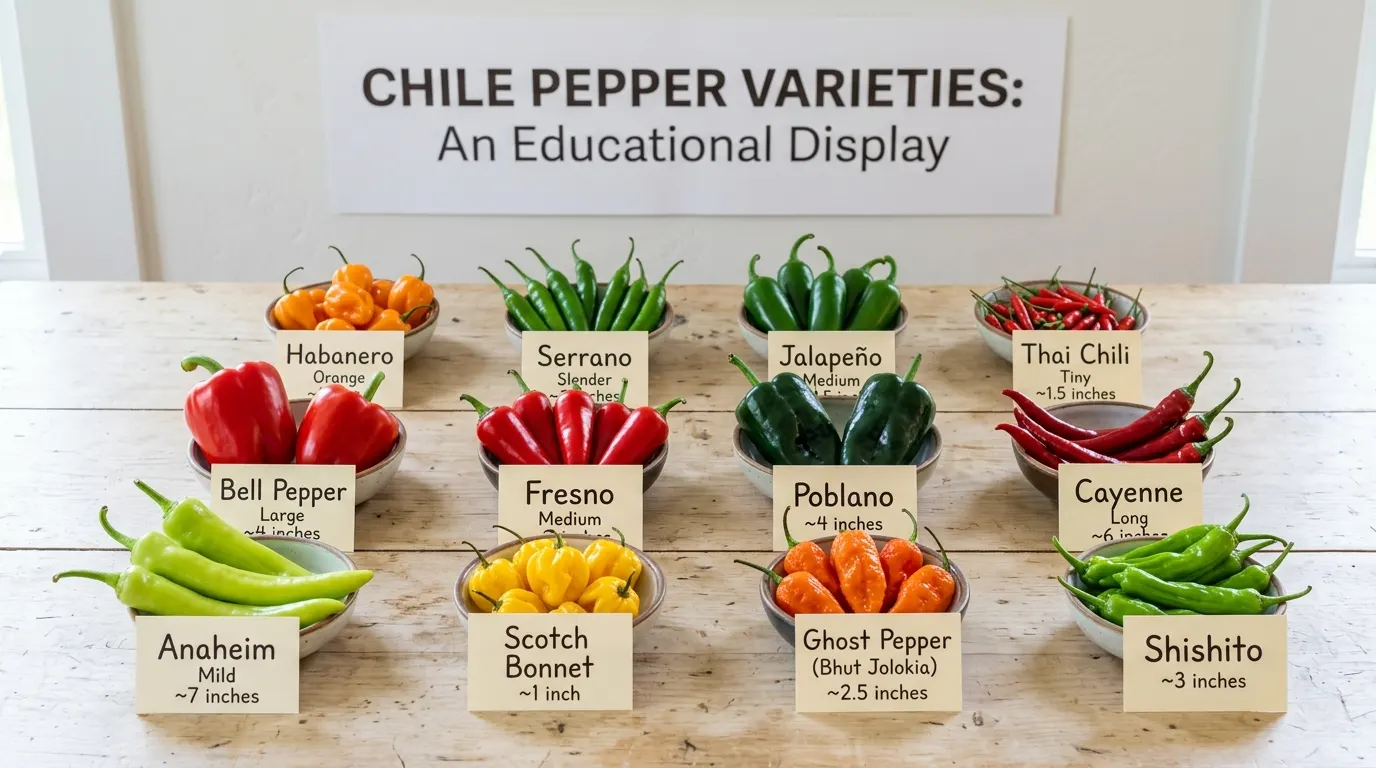
D) Milk - Which chile is known for being very spicy?
A) Habanero
B) Bell pepper
C) Cucumber
D) Lettuce - What can chiles add to food?
A) Spice and flavor
B) Sweetness only
C) Water only
D) Nothing - Which part of a chile contains many of its seeds?
A) Inside
B) Stem only
C) Outside skin
D) Root - Chiles belong to which type of plant?
A) Pepper plant
B) Grass
C) Fern
D) Moss - Which drink is often used to cool the feeling of spicy food?
A) Milk
B) Hot sauce
C) Vinegar
D) Coffee
Answer Key
- A
- A
- A
- A
- A
- A
- A
- A
- A
- A
FAQs
Why is Chile so thin and long?
Chile’s unique shape was formed by natural geographic barriers. The Andes Mountains lock its eastern border, while the Pacific Ocean seals its west, trapping the nation along a narrow coastal strip.
Is it safe to travel in Chile?
Yes, Chile is widely considered one of the safest countries for travelers in South America. Standard safety precautions apply in crowded city areas, but violent crime rates remain low across major tourist regions.
What language do people speak in Chile?
Spanish is the official language spoken throughout Chile. However, locals use a fast-paced dialect filled with unique slang terms, soft pronunciations, and indigenous words that give the language a distinctive local flavor.
Do you need a visa to visit Chile?
Travelers holding passports from the United States, Canada, the European Union, and many other nations can enter Chile for up to 90 days as tourists without applying for an advance visa.
What currency is used in Chile?
Chile uses the Chilean Peso (CLP) as its official currency. Credit cards are widely accepted in cities, but carrying cash is smart when visiting remote desert towns or small island villages.
Why does it seldom rain in the Atacama Desert?
A double rain-shadow effect blocks rain clouds from reaching the Atacama. The Andes Mountains block moisture coming from the Amazon, while cold ocean currents prevent coastal rain clouds from forming.
What is the best month to visit Chilean Patagonia?
The best months to visit Patagonia are December through February during the Southern Hemisphere summer. During this period, weather conditions are milder, days are longer, and hiking trails remain fully open.
Conclusion
Exploring these Chile fun facts highlights just how extraordinary this thin South American nation really is. From ancient mummies that predate Egypt to high-tech telescopes probing distant galaxies, Chile packs endless wonders into its narrow borders.
Whether you dream of gazing up at clear desert skies, tasting fresh street food, or hiking beneath massive granite peaks, Chile offers unforgettable experiences for every type of adventurer.
What was your favorite discovery from this list? Share these Chile fun facts with your fellow travel fans, and start planning your next great adventure today!

Ethan Danial is the creator and lead writer behind FunWhirls.com, a fun-focused platform dedicated to entertaining ideas, fascinating facts, funny moments, creative lists, and content that sparks curiosity. With a genuine love for discovering interesting and unexpected topics, Ethan enjoys turning simple ideas into engaging content that readers can enjoy, learn from, and share. His approach is centered on making every article easy to read, enjoyable, and worth coming back to.
At FunWhirls.com, Ethan Danial explores the lighter and more entertaining side of everyday life. He creates content for readers who love discovering something new, having a quick laugh, or simply taking a break from the ordinary. From curious facts to playful ideas and entertaining discoveries, Ethan aims to keep the content fresh, positive, useful, and engaging for readers of all kinds.