

Audio fun refers to playing, creating, and experimenting with sound, voice effects, and music production to entertain, learn, or express creativity. It includes everything from altering your voice with pitch shifters and designing custom sound effects to playing interactive audio games, editing podcasts, and sharing funny sound clips with friends online.
Have you ever caught yourself making silly echo noises in a quiet hallway or pitching up your recorded voice just to laugh at how squeaky you sound? That spontaneous joy of playing around with sound is the very heart of audio fun.
Whether you want to record funny voice clips, build customized sound effects for videos, or play interactive audio games, exploring the world of sound opens up endless creative possibilities. You do not need expensive studio equipment or a degree in sound engineering to dive into sound design and enjoy every second of it.
This complete guide will take you step-by-step through the exciting universe of sound play, showing you easy tools, clever tricks, and hands-on projects you can try right at home today.
What Is Audio Fun and Why Is Sound Play So Engaging?
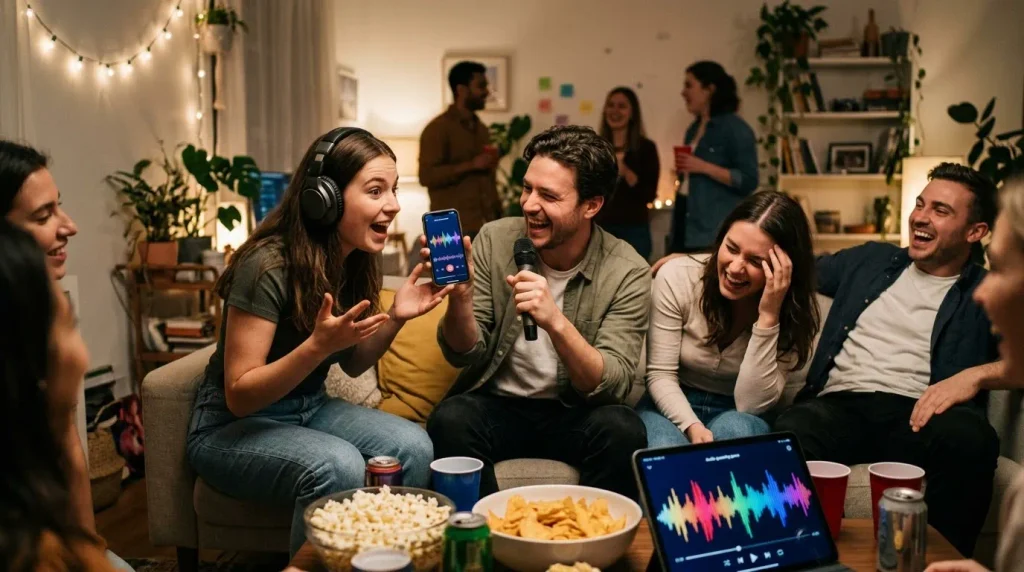
Audio fun is all about actively interacting with sound for entertainment, creative expression, and learning. Instead of just passively listening to music or podcasts, you get to manipulate, transform, and build audio experiences yourself.
Human beings are naturally wired to respond deeply to sound vibrations and rhythm. When you change the pitch of your voice or overlay a funny sound effect onto a video clip, your brain instantly recognizes the surprise element, triggering laughter and curiosity.
The Brain Science Behind Sound and Joy
Our ears send sound signals directly to the auditory cortex and the emotional centers of our brain. When a sound is unexpected, playful, or silly, it stimulates dopamine release, which instantly boosts your mood and keeps you entertained.
Why Voice Manipulation Is Instantly Entertaining
Changing how you sound is one of the oldest forms of play. Modifying pitch, speed, or echo creates a comical contrast between who you are and what the listener expects to hear, making it instantly hilarious for adults and kids alike.
Exploring the Main Categories of Sound Play
Sound play spans across many different hobbies and activities. Understanding the main categories helps you find the exact type of creative sound project that matches your current mood and interest.
Voice Alteration and Funny Effects
This category focuses on changing your human voice into something entirely different. You can sound like a giant monster, a tiny robot, or an underwater diver using simple digital tools or physical props.
- Pitch Shifting: Raising your pitch makes you sound like a Chipmunk, while lowering it turns your voice into a deep movie-trailer narrator.
- Reverb and Echo: Adding room echoes makes it sound like you are speaking inside a giant cathedral or a deep empty cavern.
- Robotic Ring Modulators: Blending your voice with digital sine waves creates classic sci-fi robot tones effortlessly.
DIY Sound Design and Foley Effects
Foley is the art of creating everyday sound effects using ordinary household objects. Movie sound artists regularly crunch celery to imitate breaking bones or rustle plastic bags to recreate crackling fire sounds.
- Crushing Dried Leaves: Perfect for recreating walking through heavy brush or autumn forests.
- Shaking Rice in Tupperware: Recreates the soothing ambient sound of steady rain on a tin roof.
- Snapping Wooden Popsicle Sticks: Simulates cracking wood or snapping branches in adventure scenes.
Interactive Audio Games and Sound Puzzles
Audio games rely entirely on sound cues rather than visual screens. These games challenge your hearing accuracy, reaction time, and imagination, making them accessible and thrilling for everyone.
- Blindfolded Sound Identification: Guessing daily objects just by the noise they make when dropped or tapped.
- Audio Escape Rooms: Solving mystery stories by listening carefully to background sound cues and coded audio signals.
- Rhythm and Beat Matching: Tapping along precisely to hidden beats to earn points and complete high-score challenges.
Simple Everyday Tools for Instant Audio Fun
You do not need a fancy recording booth or thousands of dollars in gear to get started with basic sound play. Modern smartphones and free software turn any quiet bedroom into a mini production lab.
Using Smartphone Voice Recorders and Built-in Apps
Your smartphone already comes with a built-in voice recorder app that captures surprisingly crisp audio. Many free mobile apps let you apply instant filter effects right after hitting stop on your recording.
Free Desktop Audio Editing Software
If you want more control, free desktop applications offer multi-track editing, precise trimming, and dozens of built-in audio filters. Software like Audacity gives you professional-grade tools completely for free.
Fun Web-Based Soundboard Generators
Online soundboards allow you to press digital buttons to play funny quotes, classic meme sound effects, cartoon boings, and retro video game noises during online chats or live streams.
Comparing Popular Audio Activities
To help you decide where to start your journey into sound play, here is a quick overview comparing different popular sound activities based on difficulty, equipment needs, and potential enjoyment.
Step-by-Step Projects to Try at Home
Ready to turn theory into action? Here are three easy, engaging projects you can do in under thirty minutes using items you already own around your house.
1: Create Your Own Cartoon Character Voice
- Open any basic audio recording app on your phone or computer.
- Record yourself saying a simple sentence like, “I am the secret guardian of the kitchen pantry!”
- Apply a pitch-shift effect, raising the key by +4 semitones.
- Speed up the audio track slightly by about 10% to 15%.
- Play it back to hear your energetic cartoon alien voice!
2: Build a Custom Movie Sound Effect Scene
- Find three household objects: a sheet of paper, an empty plastic bottle, and a bunch of keys.
- Record yourself crinkling the paper closely to the microphone to sound like crackling fire.
- Squeeze the plastic bottle rhythmically to simulate crunching footsteps on dry snow.
- Jingle the metal keys softly to add the ambient background sound of armor or dog collars.
- Combine all three sounds together in a track editor to create an immersive forest night scene!
3: Design a Personal Fun Soundboard
- Collect 5 to 10 short audio clips or record your own funny catchphrases.
- Trim each file down so it lasts only 1 to 3 seconds long.
- Upload the short clips into a free online soundboard tool or custom mobile app.
- Assign each sound clip to a specific key on your keyboard.
- Tap the keys during your next group video call to play instant sound effects!
How to Share Your Sound Creations Safely
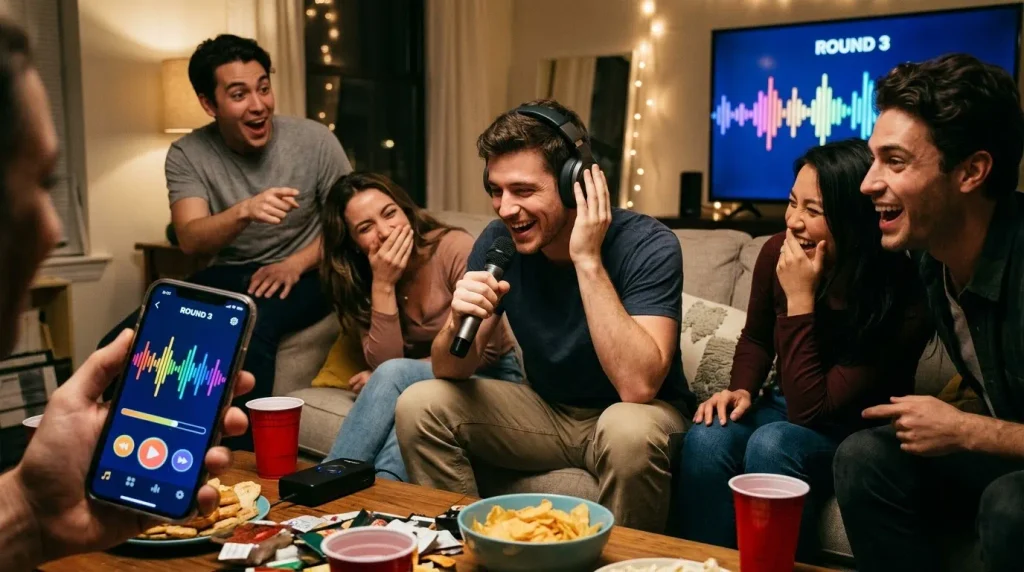
Creating audio content is even better when you can share the joy with family, friends, or an online community. However, keeping sharing safe and enjoyable requires a few smart practices.
Respecting Privacy and Copyright Laws
When sharing clips online, always ensure you have permission if you recorded someone else’s voice. Additionally, use royalty-free sound effects or your own original recordings to avoid copyright strikes on public platforms.
Optimizing Audio Files for Social Media
Social platforms often compress audio heavily, which can ruin subtle sound details. Keep your volume levels balanced and export your final files as high-quality WAV or MP3 files so they sound crisp on mobile speakers.
Practice Exercises
Test your understanding of audio principles, voice effects, and sound design with these interactive questions!
1. What is the main purpose of audio fun activities?
A. To make learning and entertainment enjoyable
B. Repair computers
C. Cook food
D. Paint walls
2. Which device is commonly used to listen to audio?
A. Printer
B. Headphones
C. Keyboard
D. Scanner
3. Which activity involves guessing sounds?
A. Drawing pictures
B. Reading silently
C. Sound guessing games
D. Solving puzzles on paper
4. What can make a podcast entertaining?
A. Interesting stories and discussions
B. Empty pages
C. Silent screens
D. Blank notebooks
5. Which of these is an audio format?
A. PNG
B. JPG
C. MP3
D. GIF
6. Which activity can help children learn through listening?
A. Audio storytelling
B. Sleeping all day
C. Painting a fence
D. Folding clothes
7. What is a sound effect?
A. A written paragraph
B. A sound added to create an effect
C. A type of photograph
D. A printed document
8. Which tool can record your voice?
A. Microphone
B. Ruler
C. Stapler
D. Eraser
9. What is karaoke?
A. A drawing competition
B. A cooking activity
C. Singing along with music
D. A reading test
10. Which activity can make a family road trip more enjoyable?
A. Audio quizzes and music games
B. Ignoring everyone
C. Turning off every activity
D. Staring at an empty page
Answer Key:
1-A, 2-B, 3-C, 4-A, 5-C, 6-A, 7-B, 8-A, 9-C, 10-A
FAQs
What equipment do I need to start enjoying audio fun?
You only need a simple smartphone or laptop to get started right away. Built-in microphones and free apps are more than enough to record voices, apply fun sound filters, and play interactive audio games.
Can I create my own sound effects without buying expensive gear?
Yes, you can create fantastic sound effects using basic items found around your home. Rustling paper, snapping sticks, and shaking rice boxes are classic techniques used by professional sound designers every day.
What are the best free software options for audio play?
Audacity is one of the absolute best free software options available for PC and Mac users. It offers multi-track recording, pitch adjustment, noise reduction, and dozens of playful sound effects completely free of charge.
How do voice changers work on mobile phones?
Voice changers work by digitally shifting the frequency, pitch,h and speed parameters of your voice signal in real time. They process the digital waveform and alter its properties before sending it to your speaker.
Is playing with sound beneficial for learning and brain health?
Yes, active sound play sharpens auditory processing skills, enhances listening comprehension, and boosts creative problem-solving skills. It engages multiple areas of the brain, keeping your mind active, focused, and entertained.
How can I make my voice recordings sound clearer at home?
You can improve voice clarity by recording in a small, carpeted room with soft furnishings like couch cushions and thick curtains. These soft surfaces absorb unwanted sound reflections and reduce distracting room echoes.
Conclusion
Diving into audio fun is one of the most rewarding, entertaining, and creative hobbies you can start right now. From transforming your voice into silly characters to recreating cinematic movie sounds with basic household items, sound play lets you unleash your inner creator using tools you already own.
The key to enjoying sound play is curiosity and experimentation. Don’t worry about making professional-grade records right away; focus on trying new effects, making funny soundboards, and sharing smiles with friends along the way.
Grab your phone or open a free audio recording app today, test out your very first pitch-shifted clip, and start discovering the amazing power of playful sound!

Ethan Danial is the creator and lead writer behind FunWhirls.com, a fun-focused platform dedicated to entertaining ideas, fascinating facts, funny moments, creative lists, and content that sparks curiosity. With a genuine love for discovering interesting and unexpected topics, Ethan enjoys turning simple ideas into engaging content that readers can enjoy, learn from, and share. His approach is centered on making every article easy to read, enjoyable, and worth coming back to.
At FunWhirls.com, Ethan Danial explores the lighter and more entertaining side of everyday life. He creates content for readers who love discovering something new, having a quick laugh, or simply taking a break from the ordinary. From curious facts to playful ideas and entertaining discoveries, Ethan aims to keep the content fresh, positive, useful, and engaging for readers of all kinds.