
Barney Fun represents the joy, educational play, and musical entertainment popularized by Barney & Friends. It combines cheerful lessons, nostalgic memories, and creative activities that engage children while bringing back fond childhood moments for adults who grew up watching the iconic purple dinosaur.
Remember when a friendly purple dinosaur dominated children’s television and brought endless smiles to millions of households? That classic Barney fun created an entire generation of happy memories filled with iconic songs, valuable life lessons, and imaginative play.
Whether you want to share these wholesome moments with your own kids or simply relive your childhood nostalgia, exploring this colorful world offers a delightful experience. Revisiting this classic character allows families to reconnect through timeless entertainment that transcends generations.
The enduring charm of the show lies in its ability to make early childhood learning feel completely effortless and joyful. Parents and toddlers alike continue to discover that the magic of Barney fun brings people together like few other preschool programs ever could.
Let us step back into this cheerful purple world, explore what made it a global sensation, and discover how you can bring classic Barney fun into your home today.
What Made Barney & Friends a Global Phenomenon?

The story behind the famous purple dinosaur began with a simple idea from a mother named Sheryl Leach in 1987. She wanted to create engaging video content for her young son that would be both educational and entertaining.
What started as direct-to-video tapes quickly caught the attention of public television. When the show premiered nationally on PBS in 1992, it transformed into a massive pop culture hit almost overnight.
The Power of Positivity and Friendship
At the core of all the cheerful entertainment is an unwavering message of love, acceptance, and positive reinforcement. The show created a safe space where every child felt valued and heard.
Instead of relying on fast-paced action or slapstick humor, the series focused on gentle emotional growth. Characters worked through simple daily challenges together, showing viewers how to manage feelings like frustration, sadness, and excitement.
Educational Themes Dished Out with Joy
The series seamlessly blended basic learning concepts into everyday play without feeling like a traditional classroom setting.
- Early Literacy: Simple rhymes and stories helped toddlers build early vocabulary skills.
- Basic Mathematics: Counting games and shape identification were woven into song lyrics.
- Social Skills: Sharing, taking turns, and the cast constantly demonstrated polite manners.
Unpacking the Icon: Who’s Who in the Purple World?

While the giant purple T-Rex took center stage, the show’s lasting appeal came from its friendly cast of dinos and diverse child actors. Each character brought a unique personality trait to the playground.
Barney the Dinosaur
Barney is a six-foot-tall, purple-and-green T-Rex with a giant heart and an endless imagination. He comes to life from a plush toy whenever kids use their imagination. His optimistic attitude teaches children that love and creativity can solve almost any problem.
Baby Bop
Baby Bop is a bright green Triceratops who loves her yellow security blanket. She represents the typical toddler, experiencing big emotions and learning how to navigate early childhood. Her playful energy and innocence make her instantly relatable to younger viewers.
BJ
BJ is Baby Bop’s older brother, a yellow Protoceratops who wears a red baseball cap and sneakers. He is energetic, loves sports, and often brings an adventurous spirit to the group. His interactions with his sister teach young audiences about sibling bonding.
Riff
Joined in later seasons, Riff is an orange Hadrosaur who wears sneakers and loves music. He possesses an innate ability to make musical sounds and explore rhythm, encouraging kids to experiment with sound and creativity.
The Secret Sauce: Why the Music Worked

Music was always the engine driving the series forward. The show featured simple melodies paired with easy-to-remember lyrics that stayed stuck in your head for days.
The Psychological Pull of Simple Melodies
Children respond naturally to repetitive rhythms and predictable pitch changes. The songwriters intentionally used traditional nursery rhyme tunes as foundations for new songs. This structure made it effortless for toddlers to sing along instantly.
Iconic Songs That Defined a Generation
- “I Love You, You Love Me”: The ultimate anthem of unconditional love and togetherness.
- “The Clean Up Song”: A practical tune that turned boring chores into a fun group game.
- “Mr. Sun”: A cheerful classic that celebrated nature and bright outdoor days.
How Barney Shaped Modern Children’s Television

Before the show debuted, most children’s programming relied heavily on frantic animation or aggressive storylines. The gentle pace of the playground set a brand new standard for educational media.
Focus on Diversity and Inclusion
The cast of real children featured diverse backgrounds, ethnicities, and abilities. Long before representation became a standard industry goal, the playground welcomed everyone equally, showing real-world kids playing together harmoniously.
Interactive Television Before the Digital Age
The show constantly broke the fourth wall by speaking directly to the audience at home. Children were encouraged to stand up, dance, jump, and sing along with the television screen, making viewing an active physical experience.
Bringing Playful Energy into Your Home Today
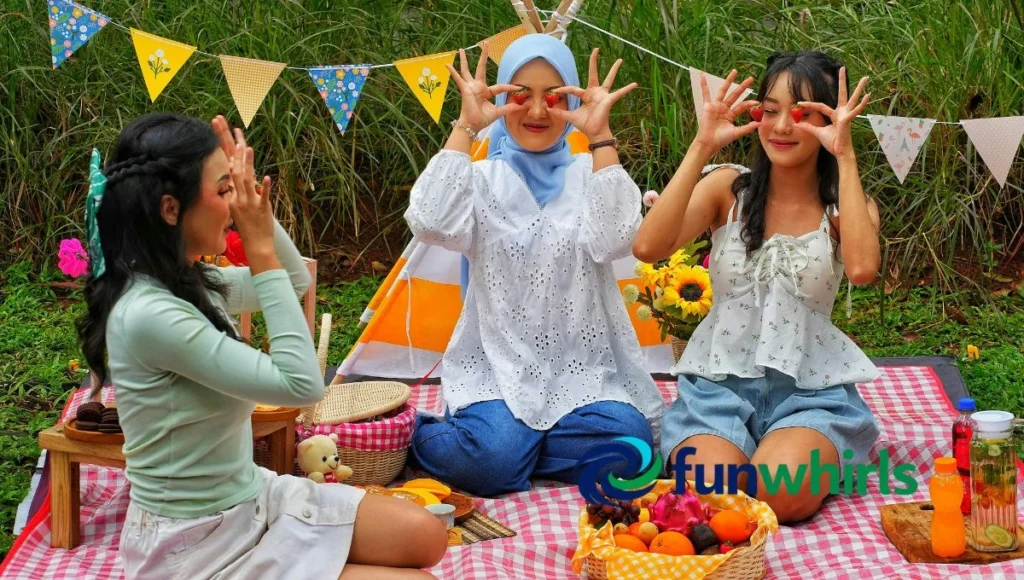
You do not need a time machine to enjoy this wholesome world with a new generation. There are plenty of ways to recreate the joy using modern activities and classic media.
Recreating the Imaginative Playground
Simple pretend play is one of the best ways to foster early development. Set up a dedicated play area using items you already own at home.
- The Blanket Fort Castle: Use chairs and sheets to build a magical kingdom where imagination rules.
- Cardboard Box Adventures: Turn an empty appliance box into a car, rocket ship, or time machine.
- The Music Corner: Gather pots, pans, and wooden spoons to create your very own marching band.
Nostalgic Activities for Grown-Up Fans
If you grew up with the purple dinosaur, re-engaging with the franchise can bring back wonderful childhood memories. Host a retro viewing night with childhood friends, or hunt down vintage merchandise like plush toys and storybooks at local thrift shops.
Activity Guide: Comparison of Classic Play Ideas
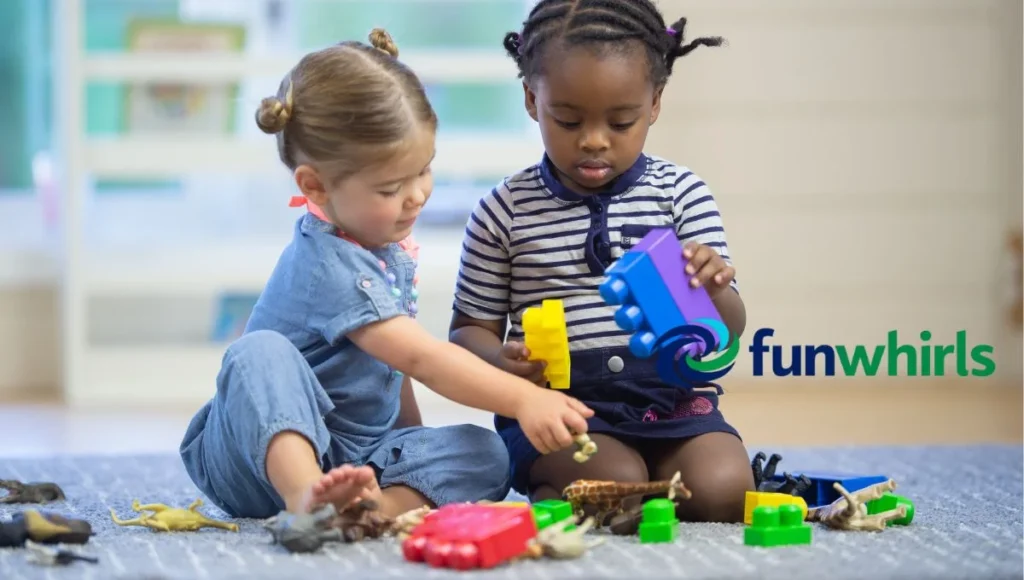
Play forms the foundation of early childhood development, offering children essential opportunities to explore their environment, build physical coordination, and cultivate social-emotional skills. Classic play ideas—ranging from open-ended block building and creative arts to structured outdoor games like hide-and-seek—provide distinct developmental benefits that shape how children learn and interact. Comparing these classic activities allows parents and educators to balance structured guidance with free-form imagination, ensuring children engage both their bodies and minds across different settings.
Structural vs. Unstructured Creative Play
Structural play with blocks, puzzle sets, or building bricks helps children develop spatial awareness, logical reasoning, and fine motor skills by working toward a concrete outcome. In contrast, unstructured creative play—such as pretend play, dress-up, or open-ended painting—fosters self-expression, emotional processing, and narrative thinking without the pressure of a fixed goal. Blending both types gives children the balance between following spatial rules and exploring boundless imagination.
Physical Outdoor vs. Quiet Indoor Activities
High-energy outdoor games like tag, hopscotch, and red light/green light promote gross motor development, cardiovascular health, and cooperative group dynamics through rule-following. Quiet indoor activities—such as board games, reading, or sensory play with dough—encourage turn-taking, sustained attention, and calm emotional regulation. Incorporating both ensures children stay physically active while also mastering the focus required for quieter environments.
Solo Exploration vs. Collaborative Group Play
Solo play allows children to work through challenges independently, develop self-reliance, and direct their own attention without external pressure. Group play, such as dramatic pretend play or team games, introduces social negotiation, conflict resolution, and empathy as children learn to share roles and ideas. Providing opportunities for both helps children build personal confidence while becoming effective, empathetic team players.
The Evolution of the Franchise: Then vs. Now
Like many beloved classics, the brand has evolved to reach modern audiences raised on smartphones and high-definition digital media.
From Live-Action Suit to Animated Magic
The original series relied on costumed performers and physical sets that gave the show a theatrical, community-playhouse feel. Modern revivals and animated specials use contemporary animation styles to deliver greater visual energy to screens.
Preserving the Core Message
While the visual style has adapted to current digital trends, the core message remains unchanged. Themes of kindness, friendship, emotional literacy, and imaginative play continue to resonate across decades.
Practice Exercise (10 MCQs)
1. What year did Barney & Friends officially debut on public television (PBS)?
A. 1987
B. 1992
C. 1998
D. 2001
2. Who created the character of Barney for her young son?
A. Sheryl Leach
B. Maria Rivera
C. Judy Freudberg
D. Anne Wood
3. What color is the dinosaur character Baby Bop?
A. Yellow
B. Orange
C. Green
D. Purple
4. Which character is Baby Bop’s older brother?
A. Riff
B. BJ
C. Barney
D. Scooter
5. What item does Baby Bop almost always carry with her?
A. A red baseball cap
B. A yellow security blanket
C. A pair of drumsticks
D. A magnifying glass
6. What type of dinosaur is BJ?
A. Tyrannosaurus Rex
B. Triceratops
C. Protoceratops
D. Hadrosaur
7. What musical character was introduced in later seasons wearing sneakers?
A. Riff
B. Baby Bop
C. Min
D. Shawn
8. Which famous song was used to make tidying up toys an enjoyable routine?
A. “The Clean Up Song”
B. “Mr. Sun”
C. “I Love You, You Love Me”
D. “The Alphabet Song”
9. How does Barney transform from a toy into a real giant dinosaur?
A. By pressing a magic button
B. Through the power of children’s imagination
C. By eating special leaves
D. Through a magic spell cast by a wizard
10. What primary color accent marks Barney’s stomach and spots?
A. Blue
B. Yellow
C. Green
D. Red
Answer Key
- B
- A
- C
- B
- B
- C
- A
- A
- B
- C
Frequently Asked Questions (FAQs)
1. What is the origin of Barney the Dinosaur?
Barney was created in 1987 by Sheryl Leach, a former teacher who wanted educational video tapes for her son. The concept was later picked up by PBS, launching nationwide in 1992.
2. What lessons does the show teach young children?
The show teaches social skills, emotional regulation, basic counting, reading readiness, and problem-solving. It uses memorable music and imaginative play to make learning simple and joyful for toddlers.
3. Why is music so important in the series?
Music helps toddlers memorize key concepts easily and improves speech development. Repetitive, cheerful tunes encourage kids to sing along and participate physically during each episode.
4. Who are Barney’s main dinosaur friends?
His main dinosaur friends are Baby Bop, a green Triceratops; BJ, a yellow Protoceratops; and Riff, an orange Hadrosaur who loves rhythm and sound.
5. How can parents introduce classic play to toddlers today?
Parents can stream classic episodes online, play iconic sing-along tracks during playtime, and recreate imaginative playground games using household items and simple crafts.
6. What age group benefits most from this content?
Children aged 1 to 5 benefit the most. The slow pacing, bright primary colors, simple concepts, and gentle emotional messaging are specifically designed for preschool development.
Conclusion
The enduring legacy of wholesome children’s entertainment proves that simple kindness, music, and imagination never go out of style. Across several decades, this beloved purple dinosaur has shown millions of children how to share, love, and explore the world around them with an open heart.
Bringing classic Barney fun into your household is a wonderful way to foster creativity and joyful learning in young minds. Whether you share classic episodes or build blanket forts together, these activities create lasting family bonds.
As time passes, the core lessons of unconditional love and togetherness remain just as vital for growing kids as they were decades ago. Nostalgic songs and gentle stories continue to offer a safe, uplifting space for early childhood development.
Embrace the power of play, turn up your favorite nostalgic sing-along tracks, and keep that imaginative spirit alive in your home today.

Ethan Danial is the creator and lead writer behind FunWhirls.com, a fun-focused platform dedicated to entertaining ideas, fascinating facts, funny moments, creative lists, and content that sparks curiosity. With a genuine love for discovering interesting and unexpected topics, Ethan enjoys turning simple ideas into engaging content that readers can enjoy, learn from, and share. His approach is centered on making every article easy to read, enjoyable, and worth coming back to.
At FunWhirls.com, Ethan Danial explores the lighter and more entertaining side of everyday life. He creates content for readers who love discovering something new, having a quick laugh, or simply taking a break from the ordinary. From curious facts to playful ideas and entertaining discoveries, Ethan aims to keep the content fresh, positive, useful, and engaging for readers of all kinds.