A beach fun fact is that sand is created over thousands of years as rocks, shells, and minerals weather down into tiny particles. Surprisingly, parrotfish create a huge amount of white tropical sand by eating coral and excreting it as fine, powdery sediment.
The ocean coastline is full of surprising discoveries, hidden natural phenomena, and fascinating history waiting to be uncovered. Exploring a compelling beach fun fact is one of the most engaging ways to spark curiosity, whether you are preparing for a seaside vacation, creating educational content, or simply looking to impress your friends with remarkable coastal trivia.
From the surprising biological sources of powdery white sand to the mysterious science behind glowing ocean waves, every shore tells an extraordinary story. Learning a quirky beach fun fact helps you see the coastline in a whole new light, transforming a routine stroll along the water’s edge into an exciting exploration of nature’s greatest wonders.
Beyond simple entertainment, sharing a mind-blowing beach fun fact can kick off lively conversations and deepen your appreciation for marine environments. It reminds us that beaches are not just sunny places to relax, but dynamic ecosystems rich with unique geological marvels, unusual wildlife behaviors, and incredible historical secrets.
If you are ready to dive beneath the surface and discover what makes sandy shores so captivating, you have come to the right place. Each beach fun fact highlighted below will showcase the magic, mystery, and incredible science behind the coastal destinations we all love to visit.
The Surprising Origins of Beach Sand

Sand seems simple when you run your fingers through it, but its origins are remarkably varied. Most ocean sediment comes from mountains thousands of miles away. Rivers slowly carry eroded rock down toward the ocean over millions of years.
As those rock pieces tumble through rivers, they smash together and break into tiny grains. By the time they reach the ocean, they have transformed into smooth quartz particles.
Other shorelines have much more unusual beginnings. Depending on where you travel, you might be standing on crushed lava, fossilized shells, or even fish waste.
Tropical Beaches Are Made by Parrotfish
If you have ever relaxed on a powdery white tropical shoreline, you can thank the parrotfish. These colorful reef dwellers use their beak-like teeth to scrape algae off hard coral rocks.
They end up eating large chunks of calcium carbonate coral while grazing. Their digestive systems process the hard coral material and grind it into fine sediment.
A single adult parrotfish can produce up to 800 pounds of pristine white sand every single year. Entire tropical islands rely on these hard-working fish to maintain their shoreline boundaries.
Black, Green, and Pink Sand Beaches
Not all ocean shorelines feature the typical golden shade we see in picture postcards. Volcanic activity creates jet-black shores made of cooled, shattered basalt lava.
Punaluu Beach in Hawaii is famous for its jet-black coast. Ocean waves constantly crash against raw lava flows, shattering the glassy mineral material into smooth dark grains.
Green shorelines get their distinct olive color from olivine crystals. These heavy green minerals are squeezed out of magma during volcanic eruptions and settle along the water.
Pink shores get their soft blush tint from microscopic creatures called foraminifera. These tiny organisms have reddish-pink shells that mix with bright white crushed coral over centuries.
Glass Beaches Born from Old Dump Sites
Nature can turn human waste into something unexpectedly beautiful. Glass Beach in Fort Bragg, California, was once an active town dump where residents tossed glass bottles and trash.
Decades of pounding ocean waves tumbled the broken glass against rough gravel and water. The harsh churning ground off sharp edges, leaving behind millions of smooth, jewel-like glass pebbles.
Today, this site is a protected state park that draws curious travelers from across the globe. It serves as a striking example of ocean wave power transforming trash into treasure.
The Science of Waves and Ocean Tides

Ocean waves are not moving water travelling across vast distances as they appear to be. Instead, waves are energy moving through the water in circular patterns.
Wind passing over the surface creates friction, pushing the upper layer of water into motion. The water itself mostly stays in one general location while the energy passes through it.
Tides work on an even larger scale, governed by forces far beyond our atmosphere. The gravitational pull of the moon and sun constantly drags the ocean back and forth.
High Tide vs. Low Tide Mechanics
The moon acts like a giant magnet pulling on Earth’s vast oceans. As the moon orbits our planet, its gravity creates a bulge of water on the side facing it.
A matching bulge forms on the opposite side of Earth due to centrifugal force. Areas passing through these bulges experience high tide twice each day.
Low tides occur in the ocean regions lying between these two massive watery bulges. The difference between high and low tide water levels can vary dramatically depending on local geography.
The World’s Largest Waves
The highest tides on the planet occur at the Bay of Fundy in Canada. The water level there can rise and fall by as much as 53 feet in a single daily cycle.
When it comes to giant waves, Nazaré in Portugal holds world records for surfable swells. Deep underwater canyons channel massive ocean currents directly into oncoming coastal storms.
Surfers routinely ride waves higher than an eight-story building at this famous spot. The raw power of these underwater geographical features creates truly terrifying water heights.
Mysterious Phenomena Found on the Coast
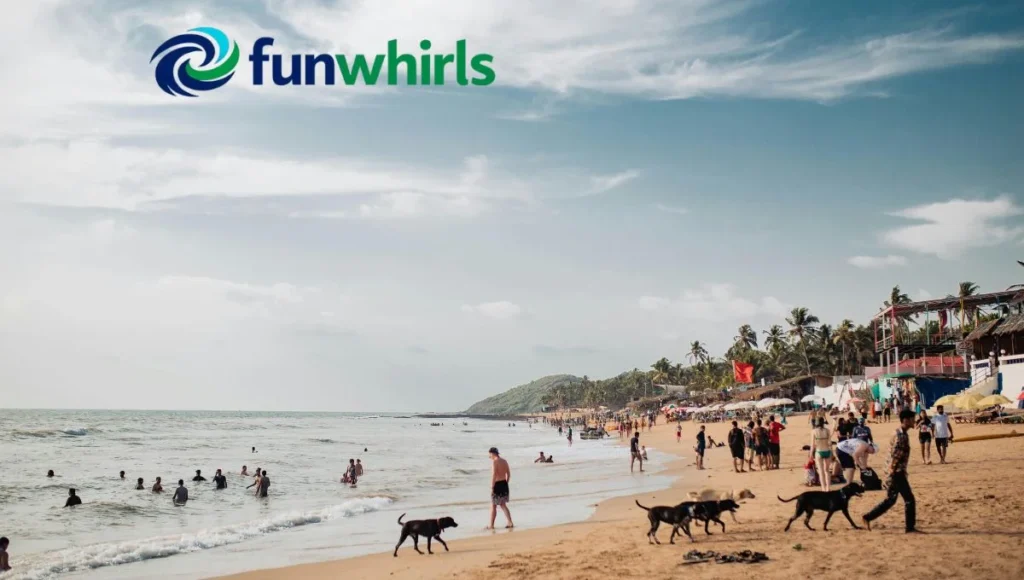
Walking along the water at night can yield magical surprises. The shoreline acts as a dynamic border where natural phenomena create unforgettable visual displays.
From glowing ocean waves to strange acoustic phenomena, the ocean constantly interacts with surrounding air. Understanding these odd events makes night visits even more exciting.
Bioluminescent Waves That Glow in the Dark
Some ocean shores light up with a vibrant neon blue glow when darkness falls. This stunning natural effect is caused by tiny plankton called dinoflagellates.
These micro-organisms produce light through a chemical reaction when they are disturbed by splashing water. Every crashing wave triggers millions of microscopic light bursts all at once.
You can witness this glowing water phenomenon in places like the Maldives, Puerto Rico, and San Diego. Stepping on wet sand near the tide line often leaves behind glowing blue footprints.
Squeaking and Singing Sands
Certain shorelines around the world actually make distinct musical sounds when you walk across them. This event occurs on dry, clean areas where sand grains are uniform in size.
When you step on these well-rounded quartz grains, they rub together and create friction. That friction produces a high-pitched squeak or a low humming sound underfoot.
If the grains get dirty, wet, or mixed with dust, the sound instantly disappears. Finding a true singing beach requires precise environmental conditions and well-sorted silica grains.
Sneaker Waves and Dangerous Currents
Rip currents are powerful, narrow channels of fast-moving water flowing away from shore. They do not pull swimmers underwater, but they can quickly carry people far out to sea.
Sneaker waves are unusually large coastal waves that appear suddenly without any warning. They can rush much farther up dry sand than normal waves and knock adults off their feet.
Always keep your eyes on the ocean, even when walking along dry upper banks. Understanding coastal water motion helps keep you safe while exploring unfamiliar coastlines.
Incredible Wildlife Facts of the Intertidal Zone

The intertidal zone is the area of coastline exposed to air at low tide and underwater at high tide. Living here requires extreme resilience from every creature.
Animals must survive pounding waves, scorching sun, drying winds, and shifting salinity levels. The adaptive strategies evolved by coastal wildlife are truly remarkable.
Sea Turtles and Their Magnetic Navigation
Female sea turtles return to the exact shoreline where they hatched decades earlier to lay eggs. They navigate across thousands of miles of open ocean using Earth’s magnetic field.
Their brains contain tiny magnetic mineral particles that act like an internal compass. This built-in GPS allows them to pinpoint their home shore with astonishing accuracy.
The temperature of the sand around the turtle nest also determines the gender of the hatchlings. Warmer sand temperatures produce female turtles, while cooler sand produces males.
Hermit Crabs and Their Real Estate Market
Hermit crabs do not grow their own hard protective outer shells like standard crabs do. Instead, they must find discarded snail shells to protect their soft, vulnerable abdomens.
When a hermit crab outgrows its current shell, it searches for a larger replacement. Sometimes multiple crabs gather around an empty shell to form an organized vacancy chain.
They line up from largest to smallest, waiting for the biggest crab to move up. Each crab then steps into the newly vacated shell left by the crab right ahead of it.
Sand Dollars Are Actually Living Animals
Many people assume bleached white sand dollars found in gift shops are just pretty rocks or shells. In reality, they are living marine animals closely related to sea urchins.
When alive, sand dollars are covered in tiny purple or brown spines that feel like velvet. These tiny vibrating spines allow them to move slowly across the sea floor and filter food.
The white pattern on a dead sand dollar shell is its left-behind rigid skeleton. The five-pointed star design on top marks where food passages once opened on the live creature.
Historical and Cultural Beach Curiosities

Humans have shared a deep connection with coastal environments throughout recorded history. Our ancestors viewed the coast as a vital source of food, trade routes, and spiritual mystery.
Over time, our perspective shifted from seeing shorelines as dangerous workplaces to peaceful recreation spots. Historical records reveal how dramatically our coastal habits have evolved.
The Invention of the Modern Beach Vacation
For most of human history, coastal regions were viewed with fear and suspicion. People associated the ocean with dangerous storms, pirate attacks, and terrifying sea monsters.
That fear changed during the late 18th century when British doctors began prescribing sea air. Wealthy patients were encouraged to bathe in cold ocean water to treat various ailments.
Railroads soon made travel affordable for everyday workers seeking weekend escapes. By the mid-19th century, coastal resort towns featuring wooden boardwalks popped up across Western Europe and America.
The Origin of the Bikini
The modern two-piece swimsuit made its public debut at a popular swimming pool in Paris in 1946. French engineer Louis Réard designed the revealing swimsuit and named it after Bikini Atoll.
Bikini Atoll was a remote Pacific island where atomic bomb testing was taking place at the time. Réard hoped his daring fashion design would create an explosive cultural reaction worldwide.
The design was so controversial that professional models initially refused to wear it in public. Today, the bikini is standard swimwear on coastlines across the globe.
Famous Shipwrecks Buried Under Sand
Shifting coastal sands frequently bury and uncover historic shipwrecks over centuries. Violent storms can strip away feet of heavy sediment, exposing long-forgotten wooden hulls overnight.
North Carolina’s Outer Banks are known as the Graveyard of the Atlantic. Over 2,000 ships have wrecked along those shifting shoals due to dangerous currents and sudden gales.
Some wrecked ships remain buried just beneath shallow breaking waves for centuries. Coastal erosion occasionally reveals historic cannons, iron nails, and ancient timber frames directly on public shores.
Surprising Ecological Benefits of Coastal Environments
Coastal regions do much more than offer humans a place to relax and swim. Shoreline ecosystems act as critical environmental buffers that protect inland communities from destruction.
From filtering ocean water to trapping carbon dioxide, coastal habitats keep our planet healthy. Protecting these delicate systems is essential for global environmental stability.
Sand Dunes Are Natural Sea Walls
Dunes are far more than fun mounds of sand for children to roll down. They serve as the primary defensive barrier protecting inland towns against violent ocean storm surges.
Specialized plants like sea oats send deep roots down into the loose sand. These sprawling root networks lock the shifting grains together, holding the protective dune structures stable.
When high waves slam into coastal areas during hurricanes, dunes absorb the destructive energy. Without healthy dune systems, coastal communities face severe flooding and rapid land erosion.
Seagrass Meadows Trap Carbon Faster Than Forests
Underwater seagrass beds growing in shallow coastal waters are environmental powerhouses. These vast underwater fields capture and store carbon dioxide at incredible speeds.
Seagrass meadows bury carbon in ocean sediment thirty times faster than tropical rainforests do. This trapped material, known as blue carbon, stays locked away underground for thousands of years.
These shallow root systems also trap floating debris, clarifying murky water for young marine life. Preserving seagrass beds is vital for combating climate change and protecting juvenile fish.
How Coastal Salt Marshes Filter Pollutants
Salt marshes act as giant natural sponges positioned right where rivers meet open saltwater. They trap sediment, absorb excess nutrients, and filter harmful land pollutants before they reach deep water.
Microbes living in rich marsh mud break down dangerous chemicals into harmless organic matter. This natural filtration system keeps ocean habitats clean and clear for sensitive coral reefs.
Marshes also absorb massive volumes of excess rainfall during tropical storms. Their sponge-like action prevents violent floodwaters from washing inland and destroying roads and homes.
Essential Beach Features at a Glance

Understanding the core components of coastal environments helps you appreciate how dynamic and resilient shorelines truly are. Every beach is a constantly shifting system shaped by powerful natural forces, where geology, climate, and marine life collide. By learning to identify the defining physical features of a coastline, you can better understand how these unique ecosystems function, protect inland communities, and support incredible biodiversity.
Diverse Sand Compositions
Not all beach sand is created equal, as grain types vary wildly based on local geology and biological activity. Golden and white shorelines are typically composed of weathered quartz and crushed calcium carbonate, while rare black and green beaches are formed by volcanic basalt and olivine crystals. Each sand type tells a unique geological story about the surrounding region’s history and oceanic forces.
Protective Dune Networks
Coastal dunes serve as nature’s primary line of defense against severe weather and rising tides. Held together by deep-rooted specialized plants like sea oats, these wind-sculpted mounds absorb the destructive energy of storm surges and ocean waves. Beyond protecting inland infrastructure from severe flooding, dunes create critical nesting habitats for coastal birds and sea turtles.
Dynamic Intertidal Zones
The intertidal zone is the unique area of shoreline that exists between the highest high-tide line and the lowest low-tide mark. Organisms living in this ever-changing environment must adapt to harsh daily shifts in water levels, temperature, and sunlight exposure. From tide pools filled with sea anemones to sandy banks harboring burrowing crabs, this zone remains one of the most resilient biological habitats on Earth.
Practical Tips for Your Next Coastal Visit

To make the most of your next trip, a little preparation goes a long way. Knowing how to pack smart and respect nature ensures a fun, safe adventure.
Planning around local conditions keeps your family comfortable throughout the day. Follow these simple guidelines to get the most out of your coastal outing.
Sun Protection Beyond Basic Sunscreen
Sunlight reflects intensely off both pale sand and ocean water, doubling your ultraviolet exposure. Apply a broad-spectrum sunscreen with at least SPF 30 every two hours.
Don’t forget sensitive areas like the tops of your feet, ears, and back of knees. Wearing a wide-brimmed hat and UV-blocking sunglasses provides essential extra shade.
Consider bringing a lightweight pop-up shade tent or sturdy umbrella for hot afternoons. Staying out of direct midday sun prevents heat exhaustion and painful skin burns.
Leave No Trace Coastal Etiquette
Always carry out everything you bring onto the shore, especially soft plastic bags and wrappers. Marine animals often mistake floating plastic trash for food like jellyfish, which can harm them.
Avoid walking directly on fragile dunes or picking coastal sea oats. Damaging dune plants destroys the root systems that hold protective sand structures together.
If you dig large holes in the sand, fill them back in before you leave. Deep holes trap nesting sea turtles and pose serious tripping hazards for night walkers.
How to Spot and Escape a Rip Current
Before jumping into the waves, check local lifeguard flags for current water conditions. Red flags mean strong surf or dangerous currents are active in the area.
A rip current often looks like a calm, murky gap between breaking white waves. Water in a rip current often flows fast and carries churned-up foam away from shore.
If you get caught in a rip current, stay calm and do not swim directly against it. Swim parallel to the shoreline until you escape the pull, then head back to land.
Beach Fun Fact Practice Quiz
Test your new knowledge with these ten practice questions! Choose the best option for each question and check your answers at the bottom.
- What animal creates hundreds of pounds of white sand every year by eating coral?
A. Sea Turtle B. Parrotfish C. Hermit Crab D. Clownfish - What material gives green sand beaches their unique color?
A. Olivine crystals B. Crushed emeralds C. Dried green algae D. Copper deposits - What powers the glowing blue light seen in bioluminescent ocean waves?
A. Electrical underwater currents B. Microscopic dinoflagellates C. Radioactive mineral deposits D. Phosphorous coral blooms - Where do the highest ocean tides on Earth occur?
A. The Gulf of Mexico B. The Bay of Fundy C. The Mediterranean Sea D. The Red Sea - What turns broken trash on California’s Glass Beach into smooth decorative pebbles?
A. Chemical spills B. Decades of crashing wave friction C. Extreme volcanic heat D. Industrial sandblasters - How do sea turtles find their way back to their home shoreline to lay eggs?
A. Ocean wind scents B. Internal magnetic compasses C. Star constellation maps D. Following older turtles - What causes certain dry quartz sands to “sing” or squeak underfoot?
A. Air trapped in sand pores B. Friction between uniform grains C. High salt content in sand D. Crushed shell air pockets - Why are coastal dunes crucial during major coastal storms?
A. They reflect excess sunlight B. They absorb storm wave energy C. They attract wild seabirds D. They trap surplus rainwater - How fast do seagrass meadows capture carbon compared to rainforests?
A. Twice as fast B. Five times faster C. Thirty times faster D. They do not capture carbon - What should you do if you are caught in a powerful coastal rip current?
A. Swim parallel to the shore B. Swim directly against the flow C. Dive deep under the water D. Float without moving
Answer Key
- B
- A
- B
- B
- B
- B
- B
- B
- C
- A
Frequently Asked Questions (FAQs)
What causes sand to have different colors?
Sand color depends entirely on the minerals and rocks present in the surrounding region. Quartz creates classic tan shores, while lava rocks create black sand. Crushed red shells make pink sand, and volcanic olivine creates rare green beaches.
Why is the ocean water so salty?
Ocean salt comes from rocks on land that slowly weather over time. Rainwater picks up tiny amounts of salt minerals from soil and washes them into rivers. Rivers carry these minerals into the ocean, where evaporating water leaves salt behind.
How far can ocean waves travel before breaking?
Ocean waves can travel across thousands of miles of open water without losing energy. A wave generated by a storm near Antarctica can travel across the Pacific Ocean for days before breaking smoothly along the sunny coast of California.
Are all sand dollars alive when you find them?
No, the white sand dollars found washed up on shore are dead skeletons. Live sand dollars live underwater, are dark purple or brown, and are covered in tiny moving spines. Always leave live sand dollars in their natural habitat.
Why does ocean air smell so distinct?
The sea smell comes from a gas called dimethyl sulfide produced by ocean microbes. When marine bacteria break down algae, they release this gas into the air. That distinct smell indicates a healthy, thriving marine ecosystem nearby.
What is the difference between an ocean and a sea?
Seas are smaller bodies of salt water that are partially enclosed by land. Oceans are vast, open bodies of salt water that cover the majority of Earth. For example, the Mediterranean is a sea, while the Atlantic is an ocean.
Conclusion
Every single beach fun fact shows how complex and connected our coastal environments really are. From parrotfish creating sand to glowing bioluminescent waves, the coast is packed with natural wonders.
Next time you step onto the shore, take a moment to look closely at the sand beneath your feet. You are walking on millions of years of natural earth history and incredible marine engineering.
Pack your bags, protect fragile coastal dunes, and keep exploring the amazing outdoor world. There is always a new beach fun fact waiting to be discovered right at the water’s edge!

Ethan Danial is the creator and lead writer behind FunWhirls.com, a fun-focused platform dedicated to entertaining ideas, fascinating facts, funny moments, creative lists, and content that sparks curiosity. With a genuine love for discovering interesting and unexpected topics, Ethan enjoys turning simple ideas into engaging content that readers can enjoy, learn from, and share. His approach is centered on making every article easy to read, enjoyable, and worth coming back to.
At FunWhirls.com, Ethan Danial explores the lighter and more entertaining side of everyday life. He creates content for readers who love discovering something new, having a quick laugh, or simply taking a break from the ordinary. From curious facts to playful ideas and entertaining discoveries, Ethan aims to keep the content fresh, positive, useful, and engaging for readers of all kinds.