
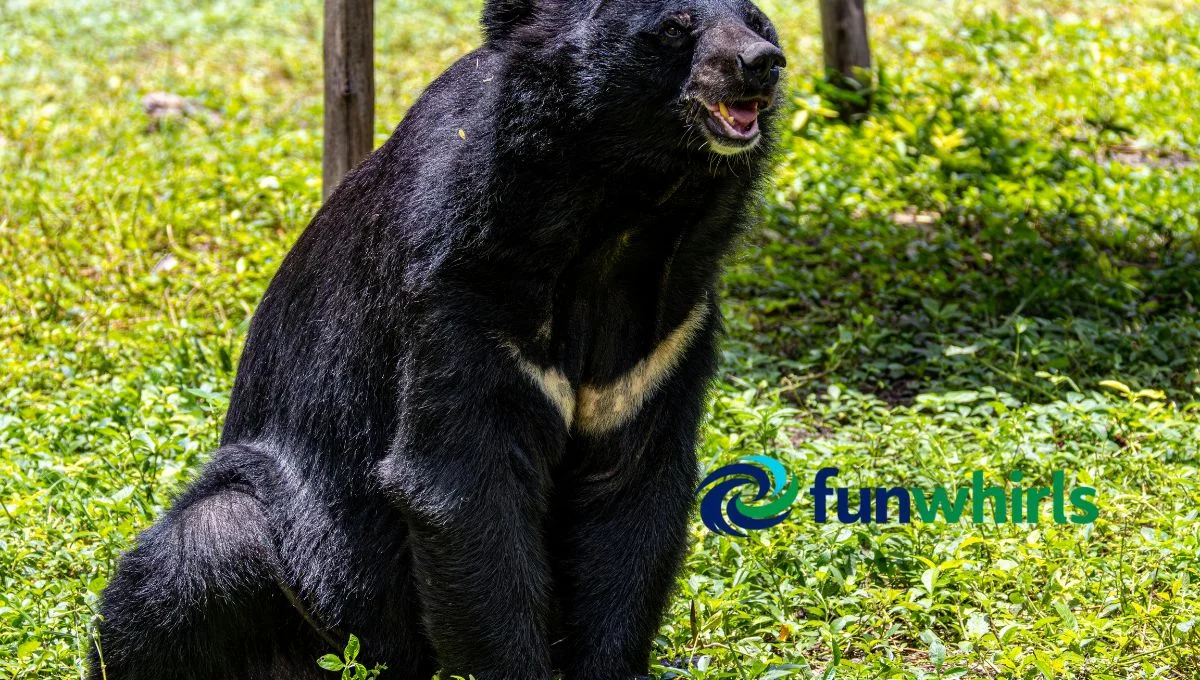
Bears are fascinating creatures known for their incredible adaptability, razor-sharp senses, and impressive intelligence. From giant pandas eating bamboo all day to polar bears navigating Arctic ice, these massive mammals possess extraordinary traits. Discovering bear fun facts reveals how these amazing animals survive, communicate, and thrive across diverse global habitats.
Have you ever wondered what makes bears some of the most captivating creatures on the planet? From their incredible strength to their surprisingly gentle behaviors, there is so much to learn about them.
Exploring these bear fun facts will change the way you look at these amazing animals forever. Let us jump right into the wild world of bears and discover their coolest secrets together.
Whether you are a wildlife enthusiast or just love learning cool trivia, these bear fun facts are sure to amaze you. Get ready to uncover the surprising truth about how bears live, hunt, and survive.
The Secret World of Bear Intelligence and Senses
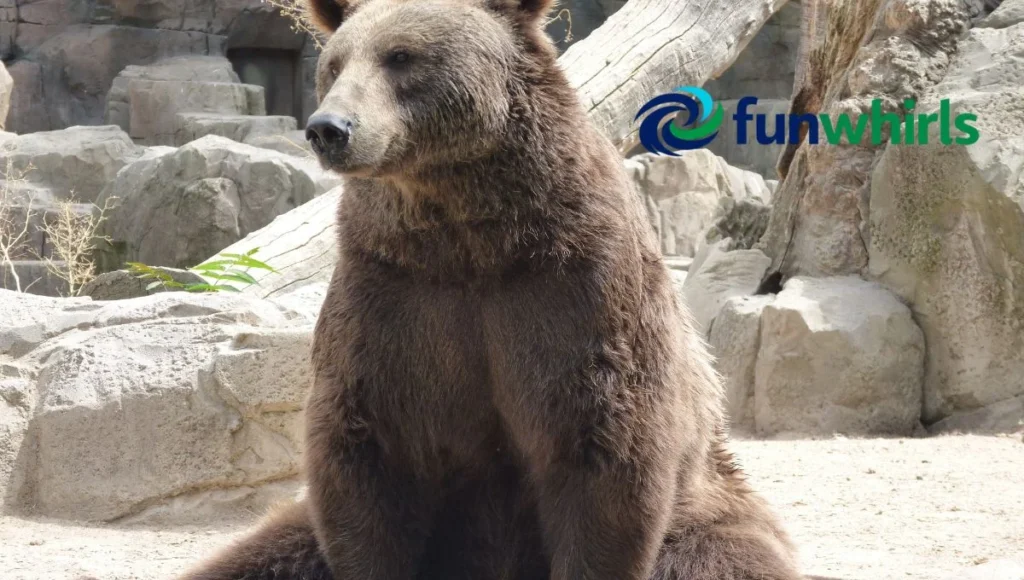
Bears are far more than just big, strong animals living in the woods. Their brains and biological traits make them some of the smartest mammals on Earth.
Super Smellers of the Animal Kingdom
A bear’s sense of smell is truly off the charts. It is estimated to be seven times stronger than that of a bloodhound.
They can track the scent of food from miles away through dense forests and thick snow. This incredible nasal power helps them locate hidden meals, avoid danger, and find mates across huge distances.
Brains Behind the Brawn
Many people assume bears rely only on brute force, but they possess impressive problem-solving skills. Scientists have watched bears use rocks to scratch their faces and manipulate wooden locks to steal food.
They also have excellent long-term memories. A bear can remember the exact location of a rich berry patch decades after visiting it just once.
Color Vision in the Dark
Unlike many predators that see the world in black and white, bears can actually see in full color. This visual ability helps them spot ripe berries among lush green leaves.
Their night vision is also exceptional thanks to a reflective layer behind their eyes. This gives them a distinct advantage when foraging during twilight hours.
Surprising Communication Skills
Bears do not just growl to express themselves; they use complex body language and scents to talk. They rub their backs against tree bark to leave personal smell messages for other bears.
They also use distinct footsteps to leave scents from glands on their paws. These subtle signals tell neighbors who is around, how big they are, and what mood they are in.
Unbelievable Anatomy and Physical Traits
The physical build of a bear is a masterpiece of natural engineering. Every part of their body is built specifically for survival in tough environments.
Non-Retractable Claws Built for Work
Unlike cats, bears cannot pull their claws back into their paws. Their heavy, curved claws remain out all the time, acting like natural hiking boots and gardening tools.
Grizzly bears use their long claws primarily like shovels to dig up roots, insects, and burrows. Sun bears, on the other hand, use their curved claws to climb smooth trees effortlessly.
The Truth About Bear Paws
Bears walk on the soles of their feet just like human beings do. This walking style is called plantigrade locomotion, and it gives them incredible balance.
It allows them to stand up easily on their hind legs to get a better view of their surroundings. Walking flat-footed also helps distribute their massive weight evenly across mud, snow, and rough terrain.
Speedy Giants on the Run
Do not let their bulky size fool you for a single second. Bears are surprisingly fast sprinters when they need to move quickly.
A grizzly bear can reach top speeds of up to 35 miles per hour. That is fast enough to outrun any human sprinter, even while running up or down steep hills.
Giant Teeth for Flexible Diets
Bears possess specialized teeth designed to handle almost any type of food imaginable. They have sharp canine teeth for grabbing prey alongside flat molars for crushing plants and tough nuts.
This versatile mouth setup lets omnivorous bears adjust their diet based on whatever food is available during each season.
Comparing Bear Species Across the World
There are eight distinct species of bears living on Earth today. Each species has adapted in unique ways to survive in its specific home environment.
Polar Bears and the Arctic Freeze
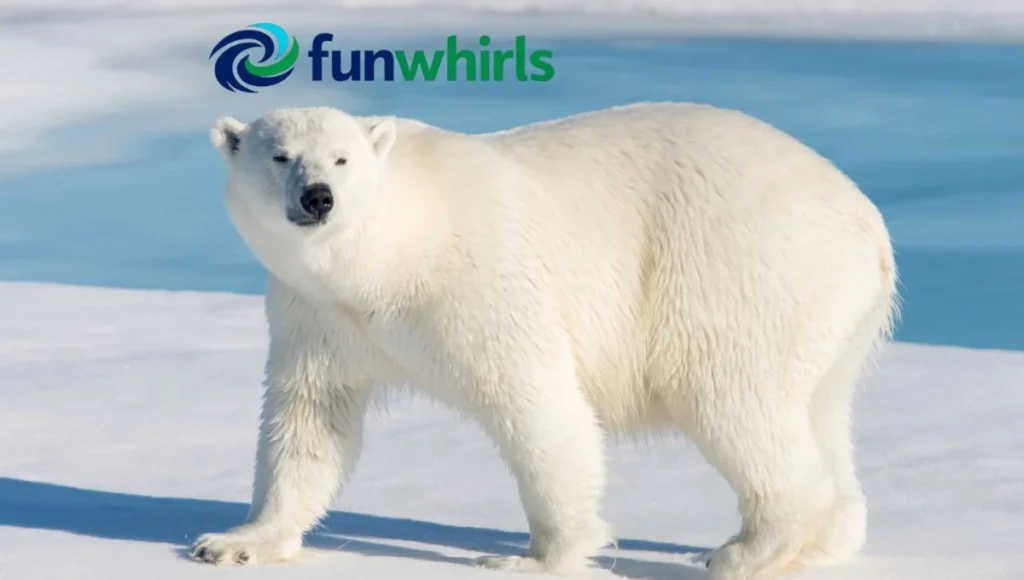
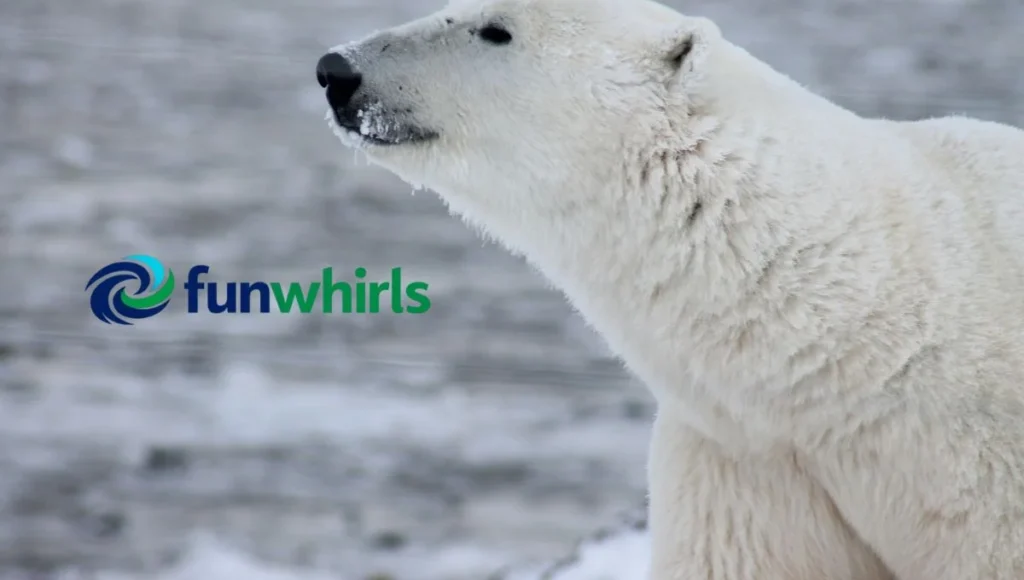
Polar bears are the largest land carnivores on the planet. They are perfectly built for life in sub-zero freezing conditions.
Interestingly, their white coat is actually made of hollow, see-through fur tubes that reflect light. Beneath that thick fur, their skin is completely black to absorb warm heat from the sun.
Giant Pandas and the Bamboo Craze
Giant pandas spend up to 12 hours every single day chomping on tough bamboo shoots. To eat so much bamboo, their jaws have evolved super-strong muscles.
They also feature a special modified wrist bone that functions like an extra thumb. This unique wrist bone helps them hold slick bamboo stalks firmly while eating.
The Elusive Spectacled Bear
The spectacled bear is famous for the yellowish rings of fur around its eyes that look like eyeglasses. They are the only bear species native to the entire continent of South America.
These quiet bears love spending time high up in tree canopies, where they even build platform nests to sleep and eat in peace.
The Sun Bear and Its Super Tongue
Sun bears are the smallest members of the entire bear family, but they hold a big secret. They have an impossibly long tongue that can stretch up to 10 inches long.
This impressive tongue acts like a sticky straw to pull sweet honey and tasty bugs right out of deep tree hollows.
The Mind-Blowing Science of Bear Hibernation
Hibernation is one of the most incredible survival strategies found anywhere in the natural world. It allows bears to survive long winters when fresh food is impossible to find.
It Is Not Just a Deep Sleep
Bear hibernation is very different from regular daily sleep. During winter, a bear’s heart rate drops dramatically from 50 beats per minute down to just 10 beats.
Their body temperature also decreases slightly to conserve precious energy reserves. This deep metabolic slowdown allows them to rest safely in their dens for several winter months.
Months Without Food or Water
During hibernation, bears do not eat, drink, or use the bathroom for up to six months straight. They survive completely on the thick layer of fat stored during autumn feeding frenzies.
Remarkably, their bodies recycle waste products into useful protein to prevent muscle loss. This unique process keeps them strong without damaging their organs.
Mothers Give Birth While Resting
Female bears often give birth to tiny cubs right in the middle of winter hibernation. The mother wakes up just enough to lick her newborns clean and settle them near her body.
The tiny cubs nurse on rich milk and stay warm inside the cozy den while the mother continues her winter rest.
Waking Up Strong and Healthy
When bears finally emerge from their dens in spring, they do not suffer from weak bones or muscle wasting. Human beings lying in bed for months would lose significant bone density and muscle strength.
Scientists are currently studying bear blood to figure out how their bodies protect bone structure during long periods of inactivity.
Daily Life, Diet, and Bizarre Behaviors

A day in the life of a bear is full of foraging, playing, and learning essential survival skills. Their habits show just how adaptable these large creatures really are.
Eating Thousands of Calories a Day
During late summer and fall, bears enter a phase called hyperphagia. This is a period of intense overeating designed to pack on winter fat reserves.
A brown bear can gobble down up to 20,000 calories a day during this time. That is equivalent to eating dozens of fast-food cheeseburgers every single day.
Swimming Champions of the Wilderness
Bears are natural swimmers right from a very young age. They use their broad paws like paddles to glide easily across deep rivers and cold lakes.
Polar bears take this aquatic skill to the extreme, swimming dozens of miles across open Arctic Ocean waters without stopping for rest.
Play Time Is Serious Business
Wrestling and playing are not just fun games for young bear cubs. Play fighting teaches them crucial self-defense skills, muscle coordination, and hunting techniques.
Even adult bears occasionally engage in gentle play during seasons when food is plentiful, and stress levels are low.
Tree Rubbing and Back Scratching
Seeing a massive bear rub its back against a tree trunk is both funny and functional. While it looks like a simple itch scratch, it serves an important social purpose.
The bear leaves behind shed hair and heavy scent marks that tell rival bears to stay away from the area.
Why Do Bears Scrape Tree Bark?
Bears bite and claw at tree trunks to leave visual warning signs for other wildlife. High claw marks show rival bears just how tall and large the territory owner is.
Is Tree Scratching Always About Territory?
Sometimes a scratch is simply a quick way to shed thick winter fur during warm spring days. The rough bark grabs loose fur patches and pulls them off easily.
Practice Exercise (10 MCQs)
Test your knowledge on these bear fun facts with a quick quiz!
- How much stronger is a bear’s sense of smell compared to a bloodhound’s?
A. Two times stronger B. Five times stronger C. Seven times stronger D. Ten times stronger - Which bear species is the only one native to South America?
A. Sun Bear B. Spectacled Bear C. Sloth Bear D. Black Bear - What color is a polar bear’s skin beneath its transparent fur?
A. Pink B. White C. Brown D. Black - What is the top running speed of a grizzly bear?
A. 15 miles per hour B. 25 miles per hour C. 35 miles per hour D. 50 miles per hour - What unique feature helps sun bears gather honey from trees?
A. A 10-inch tongue B. Extra sharp teeth C. Venomous claws D. Flexible ears - How low can a bear’s heart rate drop during winter hibernation?
A. 25 beats per minute B. 10 beats per minute C. 2 beats per minute D. 0 beats per minute - What is the name of the period when bears overeat before winter?
A. Torpor B. Molting C. Hyperphagia D. Carnassial - Why do giant pandas have a modified wrist bone?
A. To dig underground holes B. To hold bamboo stalks C. To swim faster in rivers D. To climb smooth rocks - What type of foot posture do bears use when walking flat-footed?
A. Digitigrade B. Unguligrade C. Plantigrade D. Bipedal - What percentage of a giant panda’s day is spent eating bamboo?
A. Up to 12 hours B. Up to 4 hours C. Up to 18 hours D. Up to 2 hours
Answer Key
- C
- B
- D
- C
- A
- B
- C
- B
- C
- A
FAQs
1. Are polar bears actually white?
No, polar bears are not actually white. Their fur hair shafts are completely clear and hollow, which reflects light to make them look bright white. Underneath all that fur, their skin is jet black to absorb heat from the sun.
2. Do all bear species hibernate during winter?
No, not all bear species undergo winter hibernation. Bears living in warm, tropical climates where food remains available year-round stay active year-round. Hibernation is primarily a survival tactic for bears living in freezing northern environments with harsh winters.
3. How fast can a bear run?
A bear can run surprisingly fast, reaching speeds of up to 35 miles per hour. Grizzly bears and black bears can sprint over short distances on flat ground, uphill, and even downhill. Humans cannot outrun a sprinting bear.
4. Why do pandas only eat bamboo?
Pandas eat bamboo because their bodies adapted to thrive on this abundant plant millions of years ago. Though their digestive systems are built like carnivores, bamboo provides enough daily nutrients as long as they consume massive quantities of it daily.
5. Can bears see full colors like humans?
Yes, bears possess color vision that helps them navigate their environments. Seeing in full color lets them easily identify ripe, sugar-rich berries hidden among dark green forest foliage. It also helps them navigate complex surroundings during daylight hours.
6. Are bears naturally aggressive toward humans?
No, bears are generally shy creatures that prefer to avoid contact with human beings. They usually show aggression only when surprised, threatened, or trying to protect their young cubs. Respecting their personal space is the best way to stay safe.
Conclusion
Learning these bear fun facts reveals just how complex and brilliant these wild animals truly are. From their incredible super-smellers to their clever problem-solving skills, bears continue to fascinate researchers and animal lovers across the world.
Protecting their natural habitats ensures that these magnificent mammals will thrive for generations to come. The next time you spot a photo of a grizzly or panda, you will appreciate the remarkable biology working beneath that fluffy fur.
What was your favorite secret from our wild list of bear fun facts today? Share these cool details with your friends and keep exploring the amazing animal kingdom around us!

Ethan Danial is the creator and lead writer behind FunWhirls.com, a fun-focused platform dedicated to entertaining ideas, fascinating facts, funny moments, creative lists, and content that sparks curiosity. With a genuine love for discovering interesting and unexpected topics, Ethan enjoys turning simple ideas into engaging content that readers can enjoy, learn from, and share. His approach is centered on making every article easy to read, enjoyable, and worth coming back to.
At FunWhirls.com, Ethan Danial explores the lighter and more entertaining side of everyday life. He creates content for readers who love discovering something new, having a quick laugh, or simply taking a break from the ordinary. From curious facts to playful ideas and entertaining discoveries, Ethan aims to keep the content fresh, positive, useful, and engaging for readers of all kinds.