
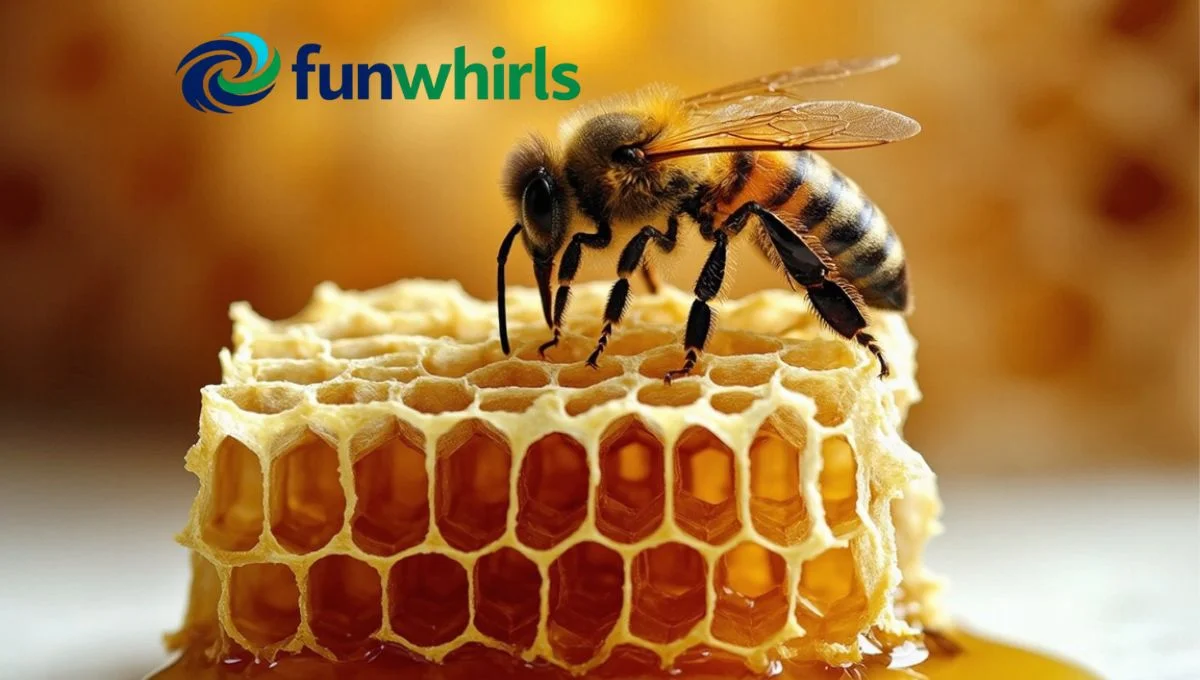
Bees are fascinating insects responsible for pollinating one-third of the food we eat every single day. From communicating through rhythmic dances to producing delicious honey, exploring these incredible creatures reveals their incredible engineering skills, complex social systems, and essential place in our global ecosystem.
Have you ever wondered how tiny buzzing insects manage to build perfect geometric structures and help grow most of our favorite foods? Exploring bees’ fun facts reveals a whole hidden world of intelligence, teamwork, and surprising behaviors right in our backyard gardens.
These little powerhouses do far more than just float around flowers on warm afternoon days. When you start learning about bees’ fun facts, you discover just how vital their daily work is for keeping our natural world thriving and colorful.
Let us explore the extraordinary lives of these tiny buzzers and discover why they truly deserve our respect and protection. You might just be amazed by how much these tiny creatures accomplish together.
The Secret Social Life of the Hive
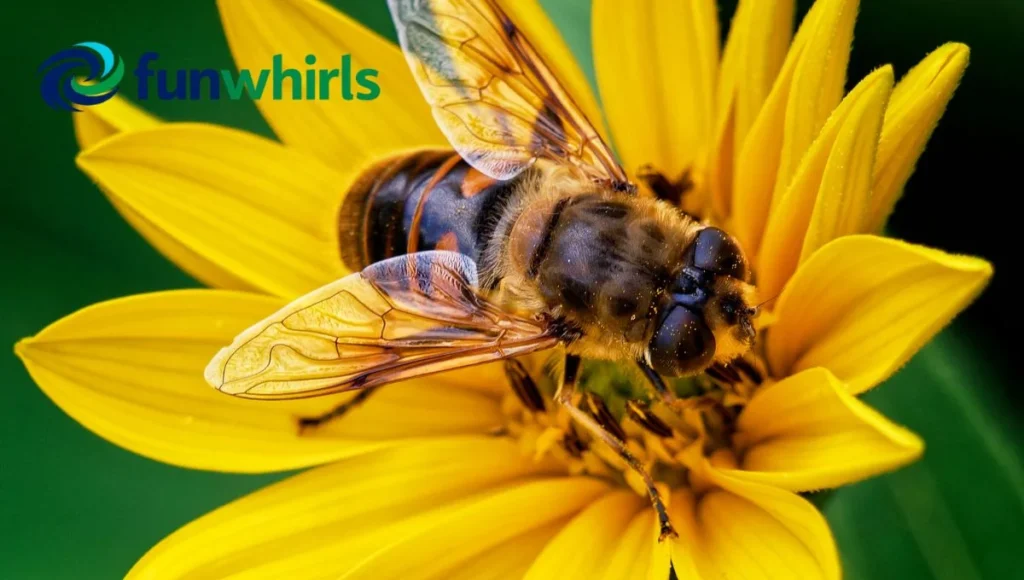
Inside every honeybee hive lies a bustling community where every single member has a specific role to play. Think of a hive like a busy city where no one ever slacks off, and everyone works toward the same goal.
The Mighty Queen Bee
The queen is the absolute center of life in the entire colony. She is noticeably larger than the other bees and can live for several years, laying up to 2,000 eggs every day during peak season. Without a healthy queen, a hive cannot survive for very long.
She produces special chemical scents called pheromones that keep the colony calm and organized. These chemical signals let every bee know that the queen is healthy and that the hive is running smoothly.
Hardworking Female Worker Bees
Almost every bee you see visiting flowers in your garden is a female worker bee. These incredible ladies do all the heavy lifting for the hive, from gathering food to defending the entrance against invaders.
- Nursery Nurses: Young worker bees start their lives inside the hive by feeding tiny growing larvae.
- Master Builders: As they age, they produce beeswax from their own bodies to construct sturdy honeycomb.
- Foragers: The oldest worker bees venture out into the world to collect sweet nectar and dusty pollen.
The Role of Drone Bees
Male bees are known as drones, and they have a very specific purpose in the colony. They do not have stingers, nor do they collect pollen or make sweet honey.
Their main job is to mate with young queens from other hives to keep the bee population healthy and strong. During late autumn, when food becomes scarce, worker bees actually push the drones out of the hive to save resources for winter.
Amazing Engineering and Mathematics
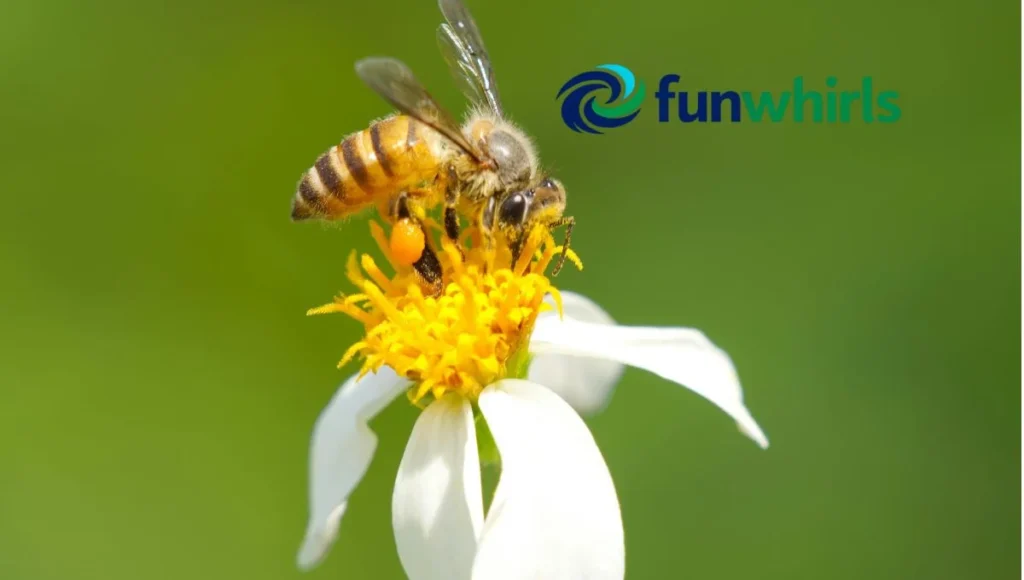
Bees are natural mathematicians and architects that build some of the most efficient structures found anywhere in nature. They accomplish complex physical feats without ever needing a ruler or a calculator.
The Geometry of Hexagons
When bees build their honeycomb, they naturally shape every cell into a perfect six-sided hexagon. Mathematicians have proven that hexagons are the most efficient shape for storing maximum honey while using the least amount of wax.
If bees built round cells, there would be wasted space between the circles. If they built square cells, they would need far more wax to seal the corners, showing just how smart their natural design really is.
Temperature Control Expert Techniques
Honeybees keep their hive at a steady temperature of around 93 to 95 degrees Fahrenheit all year round. When the summer heat rises, worker bees sprinkle tiny droplets of water inside the hive and fan their wings rapidly to create natural air conditioning.
In cold winter months, bees huddle together tightly around the queen in a big warm ball. They vibrate their wing muscles to generate heat, keeping the center of the cluster cozy even when snow covers the ground outside.
Mind-Blowing Bees Fun Facts About Flight and Navigation
Flying requires immense energy and skill, especially when carrying heavy loads of pollen back home. Bees possess incredible physical abilities that make their aerial journeys possible.
Wing Speeds and Aerial Agility
A honeybee beats its wings roughly 200 times every single second. This high-speed wing movement creates the familiar buzzing sound we hear whenever one flies near our ears.
Bees can fly at speeds up to 15 miles per hour when traveling to flowers. That might sound modest, but compared to their tiny body size, it is a truly impressive accomplishment.
Navigating by the Sun and Magnetic Fields
Bees use the sun as a natural compass to find their way across miles of open fields. Even on cloudy days, they can detect polarized light filtering through clouds to figure out where the sun is located.
Researchers have also discovered that bees have tiny magnetic particles in their abdomen. These particles allow them to sense the Earth’s magnetic field, helping them navigate when landmark signals are unclear.
Communication: The Famous Dance Language
When a worker bee finds a patch of rich wildflowers, she does not keep the location secret. She flies straight back to the hive and performs a special dance to share the precise location with her sisters.
The Waggle Dance
The waggle dance is one of the most remarkable forms of animal communication on Earth. The bee moves in a figure-eight pattern, shaking her abdomen from side to side while running across the honeycomb.
The angle of her run tells other bees the direction of the flowers relative to the position of the sun. The length of her dance tells them exactly how far away the food source is located.
The Round Dance
If food is located very close to the hive, usually within 50 yards, the bee performs a simpler round dance. She runs in small circles, changing direction from left to right to excite other foragers.
This simple dance tells the other bees that food is nearby, encouraging them to fly out and search the immediate neighborhood.
Unique Honey Production Facts

Honey is one of the few natural foods created by insects that humans enjoy eating every day. It takes thousands of miles of flying to produce just a single jar of this golden treat.
How Bees Make Honey
Making honey requires several steps that convert watery flower nectar into a thick, sweet liquid that lasts indefinitely.
- Nectar Collection: Foraging bees sip nectar from blossoms using their long, straw-like tongues.
- Enzyme Addition: Enzymes in the bee’s honey stomach break down complex sugars into simple sugars.
- Evaporation: Bees spread the liquid into honeycomb cells and fan their wings to evaporate water.
- Wax Capping: Once the honey is thick enough, bees seal the cell with a clean layer of fresh wax.
Eternal Shelf Life
Properly sealed honey never spoils because it has low moisture content and natural acidity that prevents bacteria from growing. Archeologists exploring ancient Egyptian tombs have uncovered pots of honey over 3,000 years old that are still safe to eat.
The Different Types of Bees
While honeybees get most of the attention, there are over 20,000 known species of bees living across our planet. They come in many shapes, sizes, and colors beyond the classic yellow-and-black stripes.
- Honeybees: Highly social bees that live in large hives with a queen and produce edible honey.
- Bumblebees: Furry bees living in small underground groups, perfectly suited for cooler weather.
- Mason Bees: Friendly, solitary pollinators that nest in small holes and excel at pollinating fruit trees.
- Carpenter Bees: Semi-social bees with shiny black abdomens that tunnel into soft wood to nest.
Solitary Bees vs. Colony Bees
Most bee species do not live in big hives with a queen. Instead, solitary female bees build their own individual nests in hollow plant stems, wooden structures, or small holes dug into the soil.
These solitary bees rarely sting because they do not have a massive colony or store of honey to defend. They are friendly, hardworking visitors that spend their entire day pollinating flowers.
How Bees Help Food Reach Our Tables
Without bees, our daily meals would look vastly different and much less colorful. Bees act as nature’s primary pollinators, helping plants reproduce and grow delicious, healthy produce.
Pollination Explained Simply
When a bee visits a flower to sip nectar, sticky pollen grains brush off onto her furry body. As she hops to the next flower, some of that pollen rubs off onto the new bloom.
This simple transfer allows the plant to form seeds, berries, nuts, and fruits. Without this helpful interaction, many plants could not reproduce at all.
Foods That Depend on Bees
Many of our favorite fruits, vegetables, and nuts rely heavily on bee pollination to produce healthy harvests each year.
- Almonds: Entirely dependent on honeybee pollination every spring.
- Apples and Pears: Require bee visits to produce large, juicy fruit.
- Berries: Blueberries, strawberries, and raspberries produce higher yields with bee help.
- Squash and Melons: Need large bees like bumblebees to transfer heavy pollen grains.
Surprising and Fun Facts About Bee Behavior
Beyond their flight skills and social structures, bees exhibit several unusual habits that show just how complex these small insects truly are.
Bees Take Naps Inside Flowers
After a long day of foraging, tired bees need rest just like humans do. Sometimes you can find solitary bees or male bumblebees fast asleep inside flower petals, holding on with their jaws.
When bees sleep, their body temperature drops, their antennae stop moving, and they relax completely until the morning sun warms them up again.
They Have Exceptional Color Vision
Bees see the world through a completely different color spectrum than humans do. They can see ultraviolet light, which reveals hidden patterns on flower petals that point directly toward nectar stores.
However, bees cannot see the color red very well. Red blossoms usually appear dark or black to a bee, so they prefer visiting yellow, blue, and purple flowers instead.
Bees Can Recognize Human Faces
Research shows that bees can learn to recognize individual human faces using pattern recognition. By rewarding bees with sugar water when shown photos of specific faces, scientists proved bees remember distinct features over time.
How You Can Help Bees in Your Backyard
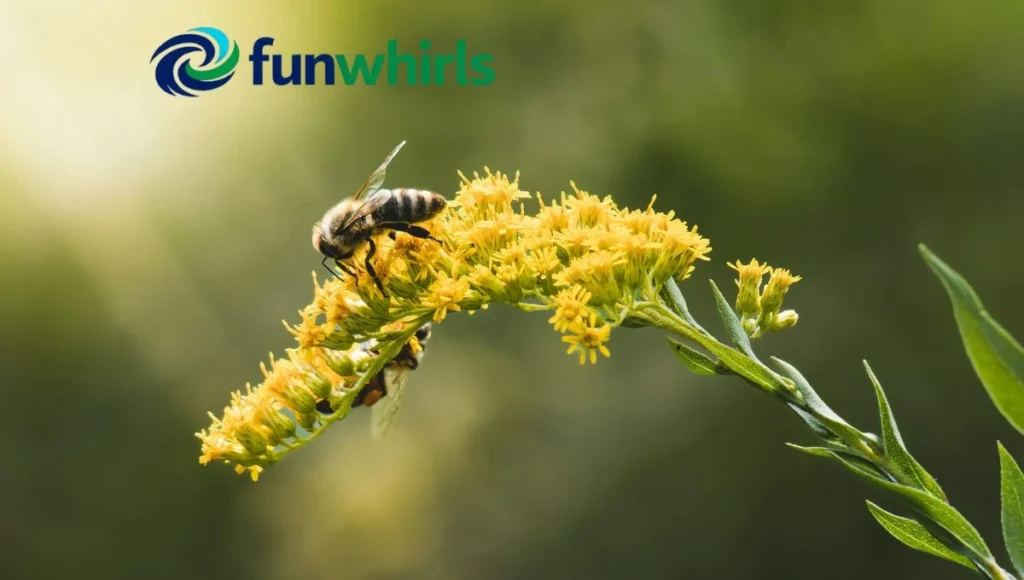
You do not need to become a certified beekeeper to support local bee populations. Simple changes in your yard can make a big difference for native pollinators.
Plant Native Wildflowers
Growing a colorful mix of native flowers provides rich nectar and pollen for bees throughout spring, summer, and fall. Choose blossoms with different shapes and blooming times to support various bee species.
Avoid Using Chemical Pesticides
Synthetic pesticides and weed killers can harm or disorient bees when they forage. Switching to natural pest management helps keep garden environments safe for friendly insects.
Provide a Small Water Station
Flying makes bees thirsty, especially during hot summer days. Place a shallow dish filled with clean water and smooth pebbles in your garden so bees can land safely and sip without drowning.
Practice Exercise (10 MCQs)
Test your knowledge with these questions based on the details shared above!
- How many sides does each cell in a honeycomb have?
A. Four B. Five C. Six D. Eight - What percentage of the food we eat depends on pollinators like bees?
A. One-tenth B. One-third C. One-half D. Three-fourths - What type of dance does a honeybee perform to show food located very close to the hive?
A. The Waggle Dance B. The Round Dance C. The Spiral Dance D. The Zigzag Dance - Which color is difficult for bees to see clearly?
A. Blue B. Purple C. Yellow D. Red - How many times per second does a honeybee beat its wings in flight?
A. 50 times B. 100 times C. 200 times D. 500 times - What is the primary job of male drone bees?
A. Building honeycomb B. Mating with young queens C. Collecting nectar D. Defending the hive entrance - How long can properly sealed honey last without spoiling?
A. Six months B. Five years C. Fifty years D. Thousands of years - What do bees use to navigate on cloudy days when the sun is hidden?
A. Sound vibrations B. Polarized light C. Wind currents D. Tree bark scents - Which bee species is known for being solitary and nesting in hollow stems?
A. Mason Bee B. Drone Bee C. Queen Bee D. Honeybee - What temperature do bees keep their hive internal environment near all year?
A. 72 to 75 degrees Fahrenheit B. 82 to 85 degrees Fahrenheit C. 93 to 95 degrees Fahrenheit D. 102 to 105 degrees Fahrenheit
Answer Key
- C
- B
- B
- D
- C
- B
- D
- B
- A
- C
FAQs
Do all bees produce sweet honey?
No, only a small percentage of bee species produce honey. Out of over 20,000 bee species worldwide, only honeybees and stingless bees gather nectar to make stored honey. Most solitary bees collect just enough food to nourish their young larvae inside individual nest cells.
Why do honeybees sting people?
Honeybees only sting when they feel their hive or their personal safety is threatened. Because a worker honeybee dies after stinging due to her barbed stinger, she uses it as a last resort. Remaining calm around bees reduces the chances of getting stung.
How long do individual worker bees live?
During the busy summer season, a worker bee lives for about six weeks due to intense physical activity. However, worker bees born in autumn can live up to six months so they can keep the queen warm through cold winter months.
Can bees fly when it rains heavily?
Bees generally stay safely inside their hive when heavy rain falls. Raindrops can weigh down their wings or knock them out of the air. High winds also make flying and navigating back to the hive difficult for tiny foragers.
What happens to a hive if the queen dies?
If a queen dies unexpectedly, worker bees quickly select very young larvae and feed them a special food called royal jelly. This rich diet transforms those larvae into brand-new fertile queens, ensuring the colony survives.
Do bumblebees make honey like honeybees?
Bumblebees do not make large amounts of storable honey as honeybees do. They store tiny amounts of nectar in small wax pots for short-term consumption, but they do not build massive honey stores because their colonies do not survive the winter.
Conclusion
Learning fun facts about bees helps us appreciate just how incredible these small creatures really are. From their sophisticated waggle dances to their efficient geometric homes, bees play an irreplaceable role in keeping our planet healthy and productive.
Exploring these surprising details helps us appreciate just how vital these tiny powerhouses are to our environment. From complex flight-path navigation to clever geometric nest designs, bee facts prove that big accomplishments often come in small packages.
Every worker bee plays an indispensable role in maintaining balance across our colorful natural landscape. When we share bees’ fun facts with friends and family, we spread awareness about protecting these essential garden helpers.
By planting diverse native blooms and avoiding harsh yard chemicals, you can easily create a haven for local pollinators. Uncovering bees’ fun facts reminds us that protecting our buzzing friends helps ensure a greener, healthier future for everyone.

Ethan Danial is the creator and lead writer behind FunWhirls.com, a fun-focused platform dedicated to entertaining ideas, fascinating facts, funny moments, creative lists, and content that sparks curiosity. With a genuine love for discovering interesting and unexpected topics, Ethan enjoys turning simple ideas into engaging content that readers can enjoy, learn from, and share. His approach is centered on making every article easy to read, enjoyable, and worth coming back to.
At FunWhirls.com, Ethan Danial explores the lighter and more entertaining side of everyday life. He creates content for readers who love discovering something new, having a quick laugh, or simply taking a break from the ordinary. From curious facts to playful ideas and entertaining discoveries, Ethan aims to keep the content fresh, positive, useful, and engaging for readers of all kinds.