

Cars hide fascinating secrets. An average car uses around 30,000 separate parts, and even the modern car horn has a surprising origin story. Learning these car fun facts gives you a brand-new appreciation for the engineering, history, and hidden features behind the vehicles we drive every single day.
Have you ever wondered what strange secrets are hiding under your automobile’s hood? Discovering surprising car fun facts turns an everyday drive into a fascinating journey through history, technology, and sheer human ingenuity.
Whether you love cars or just drive a sedan to work every day, the automotive world holds plenty of bizarre trivia. From odd legal quirks to unbelievable manufacturing milestones, these car fun facts will change the way you look at your vehicle forever. Let us jump right into the wild, surprising, and downright weird side of automotive history.
The Bizarre Beginnings of Automotive History
The journey of the modern automobile did not start in a high-tech factory. It began with noisy, clunky contraptions that terrified pedestrians and confused horses.
The First Long-Distance Road Trip Was a Secret Mission
In 1888, Bertha Benz took her husband’s experimental Motorwagen for a drive without telling him. She drove 66 miles across Germany to visit her mother, making minor mechanical repairs with her hairpin along the way.
Her brave journey proved to the world that gas-powered vehicles were practical for everyday use. Without her daring road trip, the commercial auto industry might have been delayed for years.
Red Flag Laws Forced Early Cars to Walk
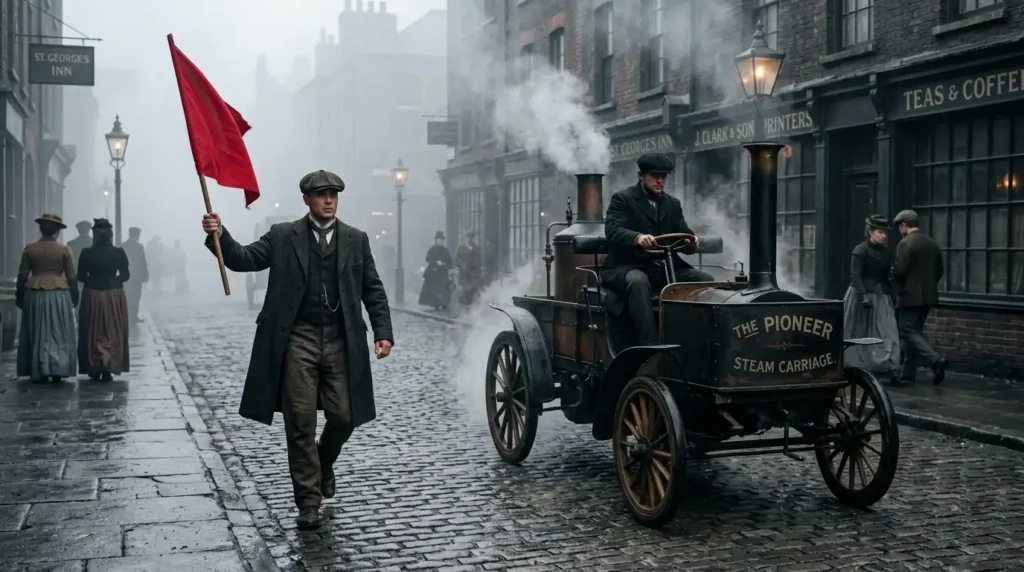
When early automobiles hit public streets, governments were so worried about scaring horses that they passed strict safety rules. In 19th-century Great Britain, the Locomotives Act required a person to walk in front of every moving vehicle while waving a red flag.
The designated flag-bearer had to warn pedestrians and horse riders that a mechanical monster was approaching. Vehicle speeds were capped at a crawling pace of just two to four miles per hour.
Surprising Secrets Inside Every Modern Car
Modern automobiles are complex technological powerhouses packed with hidden features and staggering statistics. You might drive one every day without realizing what is happening beneath your seat.
Your Engine Contains Thousands of Moving Pieces
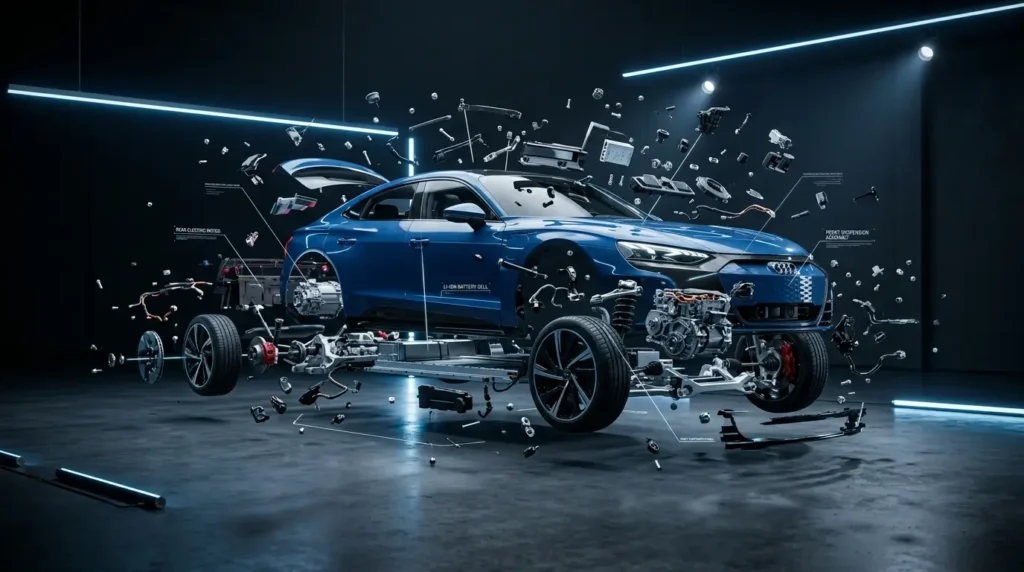
Building a standard vehicle requires an unbelievable amount of precision engineering. A single modern automobile contains roughly 30,000 individual parts, counting every single bolt, screw, and wire harness.
- Over 1,000 feet of electrical wiring run through a typical luxury vehicle cabin.
- The average internal combustion engine features more than 200 moving elements.
- Modern digital vehicle dashboards rely on dozens of interconnected microchips.
If just one major component fails, the entire machine might grind to a sudden halt. It is a true miracle of assembly line engineering that so many parts work together seamlessly.
That New Car Smell Is Actually Chemical Off-Gassing
That famous scent everyone loves when stepping inside a fresh vehicle is not a perfume added by the factory. It is actually the result of volatile organic compounds releasing gases from vinyl, plastic, glue, and leather.
Engineers spend hundreds of hours tweaking interior materials to make sure these released gases smell pleasant rather than chemical. Some manufacturers even employ professional noses to test car interiors before approval.
The Fuel Gauge Tells You Which Side Your Tank Is On
Next time you pull into a gas station, take a glance at your dashboard instrument panel. Right next to the tiny fuel pump icon, you will notice a tiny arrow pointing left or right.
This little indicator tells you exactly which side of the vehicle your fuel door is located on. It saves you from the awkward shuffle of parking on the wrong side of the fuel pump.
Mind-Blowing Speed Records and Performance Facts
Humans have always felt an intense need to travel faster, leading to unbelievable records on land.
The Fastest Land Vehicle Broke the Sound Barrier
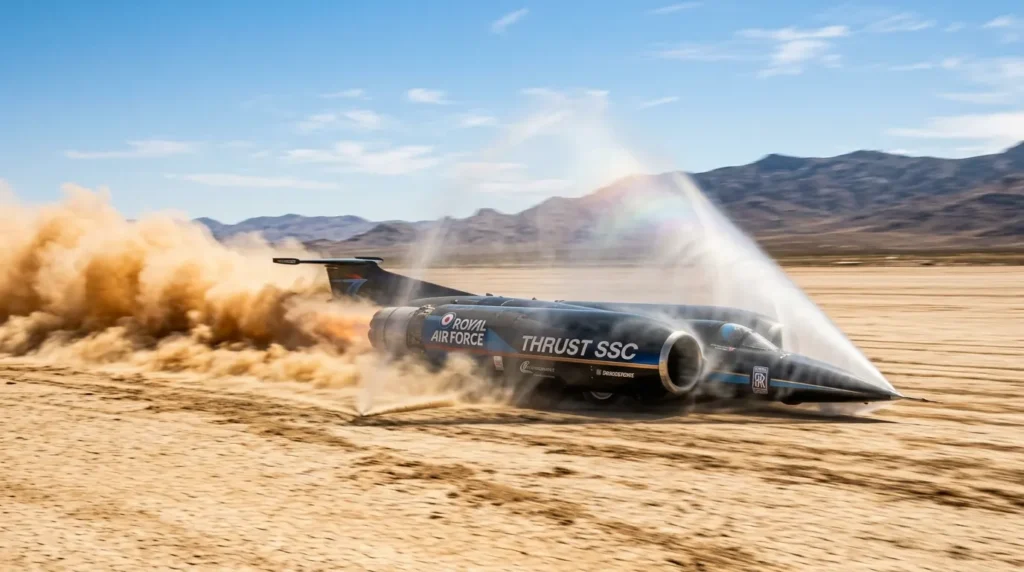
The ThrustSSC holds the absolute world land speed record, achieving a mind-boggling speed of 763 miles per hour in 1997. Powered by two jet engines, it became the very first land vehicle to officially break the sound barrier.
The sonic boom generated by the vehicle was so powerful that it shook the ground in a nearby town. Drivers had to undergo special physical training just to handle the intense forces.
Formula One Cars Can Drive Upside Down
At high speeds, a Formula One racing car generates immense downforce thanks to its aerodynamic wings. Once a race car reaches roughly 120 miles per hour, it creates enough negative lift to equal its own weight.
In theory, a Formula One car could drive along the ceiling of a tunnel without falling. The aerodynamic pressure would hold the machine pinned against the surface perfectly.
Wild Legal Quirks and Odd Traffic Laws
Traffic laws are designed to keep drivers safe, but some old rules read like comedy scripts today.
You Cannot Clean Your Vehicle with Used Underwear in San Francisco
Cities around the world have accumulated some extraordinarily odd local ordinances over the decades. In San Francisco, California, it is technically illegal to wipe down or dry your automobile using used underwear.
While nobody is actively patrolling parking lots for this specific infraction, the old law remains on the books. It stands as one of the weirdest cleaning restrictions in automotive history.
Honking Your Horn Can Be Against the Law
In many crowded international cities, drivers can only use their horns for emergencies. If you honk just because you are stuck in heavy traffic, police will fine you.
- In New York City, unnecessary horn usage can trigger a steep monetary fine.
- In Paris, horns are banned unless you are trying to avoid an immediate collision.
- In certain parts of Asia, drivers use soft chirps instead of blares to signal presence.
Horns were originally designed as emergency warning devices, not tools for venting traffic frustration. Knowing local noise regulations can save you plenty of money while traveling.
Summary of Famous Automotive Milestones
The automotive industry evolved through a few groundbreaking moments that forever changed how people travel. From a daring secret road trip that proved gasoline engines could work over long distances to modern land speed records that pushed machines past the speed of sound, key pioneers reshaped global transportation forever.
Bertha Benz Proves Cars Are Practical
In 1888, Bertha Benz took her husband’s experimental gas car on a 66-mile journey without asking him. She fixed mechanical breakdowns along the way using her hairpin and garter, showing the public that personal motor vehicles were reliable for daily use.
Henry Ford Revolutionizes Mass Production
Henry Ford introduced the moving assembly line in 1913, dropping Model T build times from twelve hours to just ninety-three minutes. This massive efficiency boost dropped vehicle prices and made car ownership affordable for ordinary working-class families.
ThrustSSC Breaks the Sound Barrier
In 1997, a British team built ThrustSSC, a twin-jet engine vehicle that sped across a Nevada desert at 763 miles per hour. It became the first land vehicle to break the sound barrier, setting a world record that remains unbroken today.
How Manufacturing Changed the World
The way we build vehicles changed human society, urban planning, and factory labor forever.
Henry Ford Did Not Invent the Automobile
Many people believe Henry Ford created the very first motor vehicle, but that honor goes to Karl Benz. What Henry Ford actually revolutionized was the moving assembly line process in 1913.
Before his assembly line, building a single Model T took more than 12 grueling hours. The new system dropped that time down to just 93 minutes per vehicle.
Mass Production Made Transportation Affordable
By speeding up the assembly process, Ford drastically reduced manufacturing costs for consumers. This change allowed ordinary working-class families to purchase their own personal transportation for the very first time.
The boom in vehicle ownership forced governments to build paved highways, gas stations, and motels. Entire modern suburbs were designed around the convenience of personal vehicle travel.
Strange Materials Used to Build Vehicles
Automobile manufacturers have experimented with some bizarre raw materials over the decades to save weight and reduce production costs.
Soybeans Were Used to Build Body Panels
During the 1940s, Henry Ford revealed an experimental vehicle made largely from soybean-based plastic panels. He was so confident in the strength of the material that he hit the trunk with an axe to prove it would not dent.
The soybean car was lightweight, durable, and absorbed shocks far better than standard steel. However, WWII material shortages prevented the concept from reaching mass production.
Coffee Grounds Are Used in Car Parts Today
Modern auto manufacturers are looking back toward nature to create eco-friendly vehicle components. Some major companies now mix leftover coffee bean husks with plastic to build headlight housings.
This recycled material makes vehicle components lighter while requiring significantly less petroleum during production. It is a great example of converting kitchen waste into durable auto parts.
Quirky Engineering Innovations That Failed
Not every brilliant idea in automotive engineering turns out to be a massive commercial success. History is filled with bizarre experiments that consumers simply rejected.
The Fifth-Wheel Parking Assist System
In the 1930s, an inventor designed a fifth wheel attached to the rear trunk of a sedan. When activated, the extra wheel dropped down perpendicularly to pivot the vehicle straight into tight parking spots.
While the invention solved parallel parking struggles completely, it took up far too much trunk space. Drivers preferred to park manually rather than lose precious cargo room.
Water-Powered Engines and Other Myths
Stories about secret water-powered engines have circulated among car enthusiasts for generations. While water can be split into hydrogen fuel, doing so requires more energy than the engine produces.
Engineers have tried endless alternative designs, but physics remains stubborn. Gasoline, diesel, and modern batteries remain the most practical energy storage options available today.
Electric Vehicles Are Older Than You Think

Electric vehicles seem like a brand-new invention, but their roots go back further than most people realize.
Powered Cars Outsold Gas Cars in 1900
At the turn of the 20th century, electric vehicles held a massive share of the American market. They were quiet, easy to start, and did not emit smelly exhaust like early gas models.
Gasoline vehicles required a dangerous hand crank to start, making electric options far more appealing to urban drivers. It was only after the electric starter motor was invented that gas cars took over the market.
Early Battery Limits Changed History
Early electric vehicles suffered from very limited driving range and long charging times, just like their modern counterparts. As oil fields were discovered across Texas, gasoline became exceptionally cheap and plentiful.
Automakers abandoned electric power to build gas vehicles that could travel hundreds of miles without stopping. It took over a century for battery technology to catch back up to consumer needs.
MCQs
- Which company created the famous Model T car?
A) Ford
B) Toyota
C) BMW
D) Honda - What do most cars use to move their wheels?
A) Engine
B) Battery only
C) Radio
D) Lights - Which part helps a car stop?
A) Brakes
B) Mirrors
C) Seats
D) Horn - What is a car’s steering wheel mainly used for?
A) Changing direction
B) Playing music
C) Starting the radio
D) Opening doors - Which country is Toyota originally from?
A) Japan
B) France
C) Canada
D) Brazil - What does a car’s horn usually do?
A) Makes a warning sound
B) Turns on the engine
C) Cools the car
D) Changes the tires - Which car part helps drivers see behind them?
A) Rearview mirror
B) Exhaust pipe
C) Radiator
D) Brake pedal - What powers many modern electric cars?
A) Rechargeable batteries
B) Coal
C) Wood
D) Water - Which car feature helps protect passengers during a crash?
A) Airbags
B) Radio
C) Sunroof
D) Cup holder - What are the round rubber parts of a car called?
A) Tires
B) Doors
C) Windows
D) Bumpers
Answer Key
- A
- A
- A
- A
- A
- A
- A
- A
- A
- A
FAQs
What is the single most interesting car fun fact?
The fact that an average car contains roughly 30,000 individual parts is truly astonishing. Every single nut, bolt, washer, and electrical wire must fit together perfectly for your vehicle to operate safely on the road.
Were electric cars really popular over a hundred years ago?
Yes, electric cars accounted for a huge portion of American vehicle sales around the year 1900. They were preferred by city drivers because they were quiet, clean, and did not require a dangerous hand crank to start.
Why do some modern cars use coffee grounds for manufacturing?
Manufacturers mix processed coffee bean husks with traditional plastics to create lighter, more eco-friendly auto components. This reduces vehicle weight, improves fuel efficiency, and cuts down on the use of petroleum-based materials during production.
How does the fuel door indicator work on a dashboard?
The tiny arrow located right beside your dashboard fuel pump icon points directly toward the side of your vehicle where the gas cap is located. It prevents confusion when driving a rental car or pulling into a busy station.
Can a race car really drive upside down inside a tunnel?
In theory, yes, because Formula One race cars produce extreme aerodynamic downforce at high speeds. Once a car reaches about 120 miles per hour, the air pushing down on its body exceeds the machine’s actual weight.
Conclusion
Exploring these unbelievable car fun facts proves that our daily ride is far more than a simple metal box on four rubber wheels. Modern transportation is the result of over a century of bold inventions, weird laws, and relentless engineering breakthroughs.
From secret pioneer road trips to soybean body panels, the automotive world never stops surprising us. Keep sharing these car fun facts with fellow enthusiasts, and enjoy your next drive with a completely fresh perspective!

Ethan Danial is the creator and lead writer behind FunWhirls.com, a fun-focused platform dedicated to entertaining ideas, fascinating facts, funny moments, creative lists, and content that sparks curiosity. With a genuine love for discovering interesting and unexpected topics, Ethan enjoys turning simple ideas into engaging content that readers can enjoy, learn from, and share. His approach is centered on making every article easy to read, enjoyable, and worth coming back to.
At FunWhirls.com, Ethan Danial explores the lighter and more entertaining side of everyday life. He creates content for readers who love discovering something new, having a quick laugh, or simply taking a break from the ordinary. From curious facts to playful ideas and entertaining discoveries, Ethan aims to keep the content fresh, positive, useful, and engaging for readers of all kinds.