Caribou are extraordinary survival experts of the icy North. Unique among deer, both males and females grow antlers, while their eyes change color from gold to blue to adapt to winter light. These incredible mammals move across vast landscapes in massive migrations, relying on specialized hooves that adjust to shifting snow and ice.
Caribou are far more than just wild animals pulling Santa’s sleigh through holiday stories. These tundra-dwelling creatures are remarkable survival masters with biological superpowers built for the world’s harshest freezes. Discovering caribou fun facts reveals how these Arctic travelers thrive where few other large mammals could ever survive.
Did you know that caribou and reindeer are actually the same species, known scientifically as Rangifer tarandus? North Americans usually call the wild variations caribou, while semi-domesticated herds in Eurasia are known as reindeer. Learning these caribou fun facts gives you a front-row seat to one of nature’s greatest polar survival stories.
Let’s explore the astonishing features, habits, and secrets that make caribou some of the coolest animals walking the Earth today!
Incredible Adaptations of Arctic Wanderers
Survival in the freezing tundra requires serious physical upgrades. Caribou have evolved body features that sound almost like science fiction creations.
Eyes That Change Color with the Seasons
One of the most mind-blowing caribou fun facts involves their eyesight. During the bright summer months, the back of a caribou’s eye reflects a deep golden-yellow color to bounce heavy sunlight away.
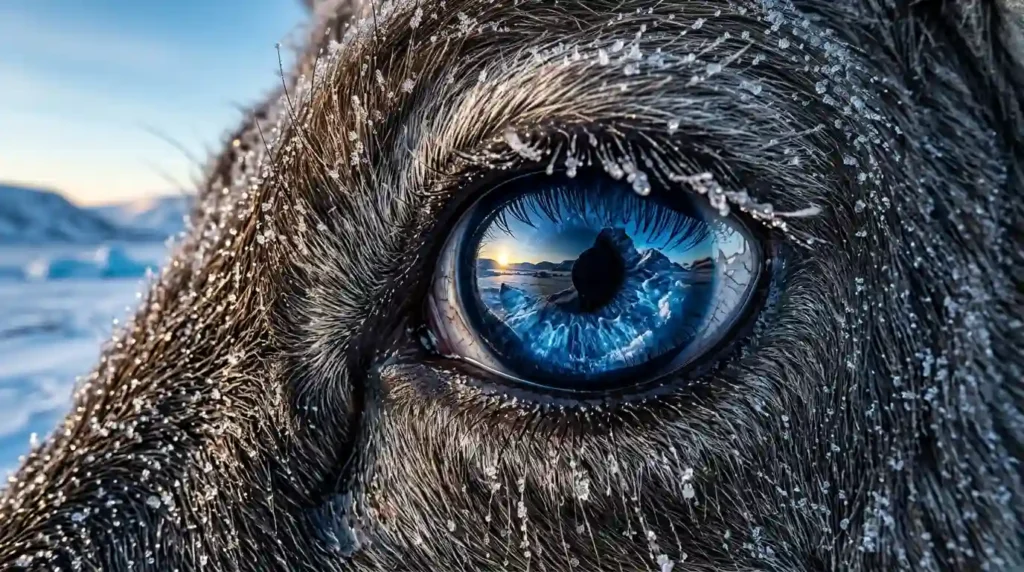
When the pitch-black polar winter arrives, their eyes undergo a miraculous structural transformation. The pressure inside the eye increases, tightening the tissue layers and turning their eyes a deep shade of sapphire blue.
This blue surface scatters light far more effectively, helping caribou spot predators and locate edible lichens during dark winter days.
Living Snowshoes Built Right into Their Feet
Caribou walk on specialized hooves that change shape depending on the ground beneath them. During the soggy summer, their foot pads expand to become spongy cushions that prevent them from sinking into soft mud.
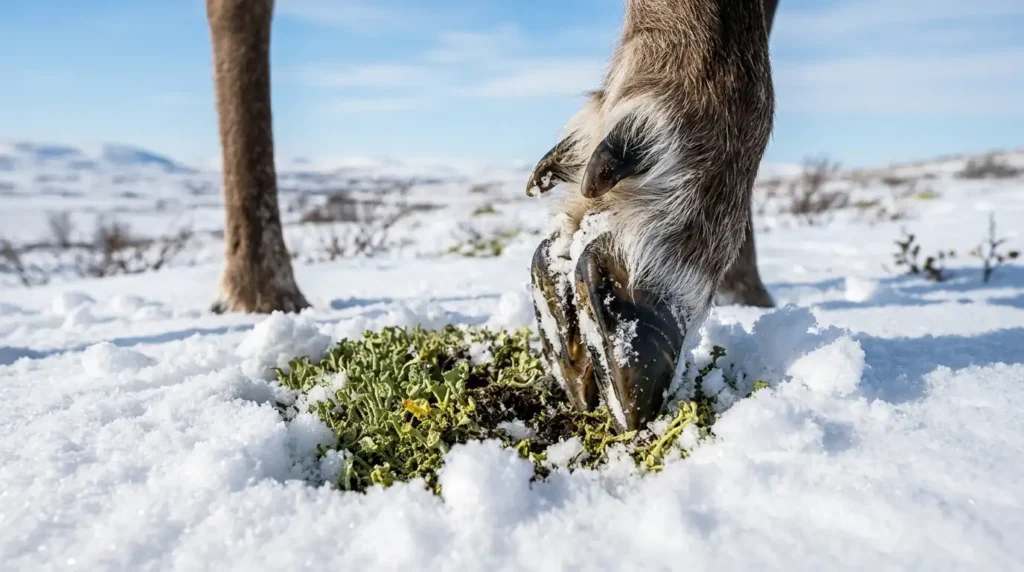
When icy conditions arrive in winter, those soft pads shrink back and expose sharp outer rims. These hardened edges act like built-in ice cleats, cutting into slick ice and digging down through deep snow to find food.
- Summer Footwear: Wide, soft, and spongy pads for walking over muddy bogs.
- Winter Footwear: Hardened, sharp-edged rims for carving through slippery ice.
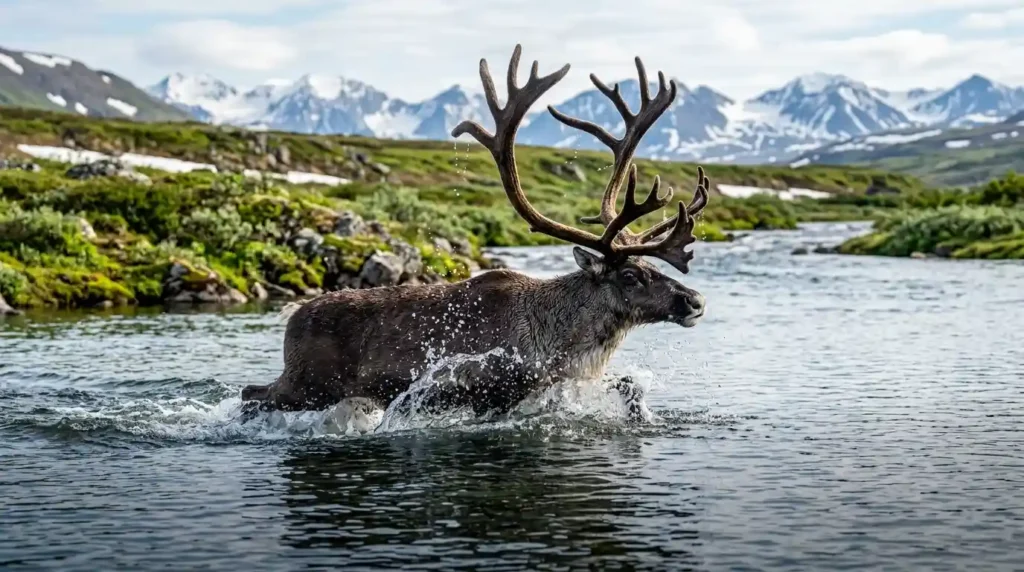
- Built-in Paddle: Crescent-shaped hooves that work like natural paddles while swimming across wide rivers.
Warm Coats with Hollow Fur
Caribou fur isn’t just thick; it features hollow strands of hair that trap air inside each shaft. This trapped air acts like high-tech thermal insulation, holding their body heat close while keeping icy wind far away.
These hollow hairs also act like tiny personal life jackets. They make caribou exceptionally buoyant, allowing whole herds to cross wide, rushing rivers without sinking.
Antler Secrets That Set Caribou Apart
Antlers are common among deer, but caribou break all the standard wildlife rules when it comes to growing headgear.
Both Males and Females Grow Antlers
In almost all other deer species, only males grow antlers. Caribou are the proud exception to this biological rule because females grow antlers too.
Female caribou use their antlers to guard precious digging spots in the snow during late winter. By keeping aggressive males away, pregnant females protect their food supply so their babies grow healthy and strong.
The Fastest-Growing Bones on the Planet
Growing antlers takes an incredible amount of biological energy. Caribou antlers can grow as fast as an inch per day during spring peak growth.
While growing, the antlers are covered in a soft, blood-rich skin called velvet. This velvet delivers essential minerals straight to the expanding bone structure.
Dropping Antlers on a Schedule
Caribou don’t keep their antlers forever. They shed and regrow them every single year on a strict hormonal schedule.
- Older Males: Drop their antlers in early winter after the autumn mating season ends.
- Young Males: Shed their headwear during late winter or early spring.
- Pregnant Females: Keep their antlers all winter long, shedding them only after giving birth in spring.
Super Senses and Arctic Navigation
Navigating miles of dark, snowy wilderness takes more than ordinary senses. Caribou use specialized traits to navigate through thick polar blizzards.
Seeing Hidden UV Light
Human eyes cannot process ultraviolet light, but caribou eyes see it with absolute clarity. This unique power lets them spot crucial items against blinding white snowscapes.
Lichen, white wolves, and urine trails absorb UV rays and appear dark against bright snow. Seeing in UV makes finding food and avoiding stealthy predators much easier.
Knees That Click When They Walk
When a herd of caribou marches past, you will hear a strange clicking sound with every single step. This noise comes from tendons sliding over bones in their ankles.
Scientists believe these loud clicks help herds stay together during blinding snowstorms. Even if visibility drops to zero, caribou can hear their companions moving beside them.
Super Nose Warmers
Breathing in sub-zero polar air could freeze a mammal’s lungs, but caribou have built-in heating systems inside their snouts. Special flexible bones inside their nasal passages warm cold air before it ever reaches their lungs.
Their nostrils also trap moisture from outgoing breaths, keeping their body hydrated in extremely dry sub-zero climates.
Caribou Quick Facts at a Glance
Caribou are built for extreme survival, boasting physical traits that allow them to thrive in freezing Arctic tundra habitats where most large mammals would freeze or starve. From shifting eye colors that maximize available polar light to hollow fur coats that double as thermal insulation and natural life jackets, these impressive deer species carry fascinating evolutionary marvels. Getting a glance at their essential biological metrics highlights just how unique these tundra wanderers truly are.
Unique Physical Traits and Adaptations
Caribou stand out among deer species because both males and females grow large antlers, using them to clear snow cover and defend essential feeding spots during cold winter months. Their coats feature hollow hair shafts that trap body heat close to the skin, while their footpads dynamically widen in muddy summers and harden into sharp ice grips during freezing winters.
Exceptional Speed and Endurance
Despite carrying heavy antlers and living in rugged terrain, caribou are incredible athletes capable of running up to 50 miles per hour to escape swift polar predators like wolves. They are equally adept in the water, using their wide, crescent-shaped hooves like oars to swim across rushing Arctic rivers at speeds up to 6 miles per hour.
Unmatched Migration Records
Caribou hold the record for the longest land migration of any terrestrial mammal on Earth, traveling up to 3,000 miles every single year in massive herds. Moving across vast tundra landscapes allows them to find fresh patches of nutrient-dense lichen, avoid severe summer insect swarms, and seek safe calving grounds to raise newborn calves.
Epic Migrations and Herd Life
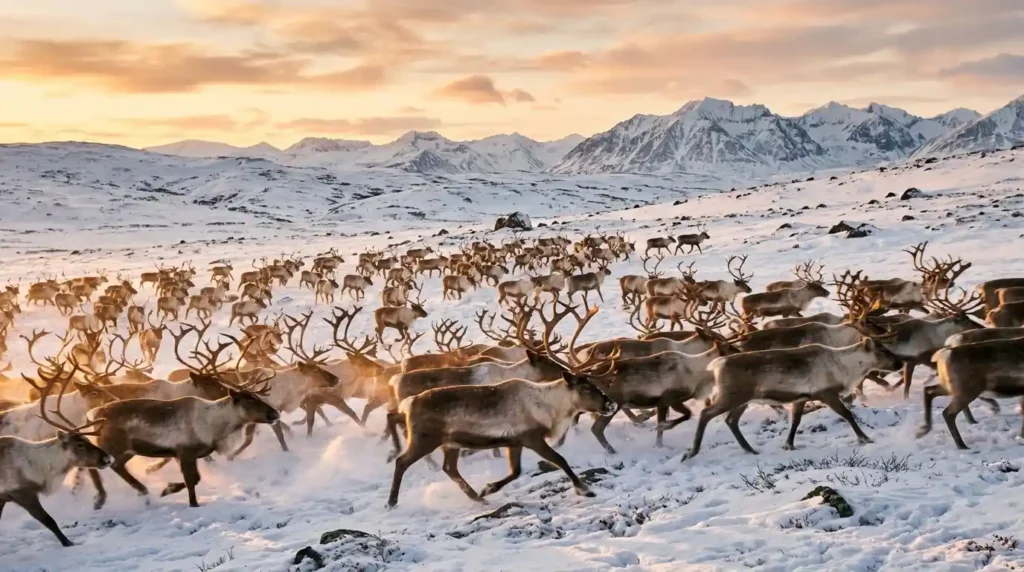
Caribou are ultimate road trippers of the animal kingdom. They cross vast stretches of wilderness to find food and raise young.
Longest Land Migrations on Earth
Some caribou herds travel over 3,000 miles every single year. That is the longest documented land migration of any terrestrial mammal on Earth.
They move constantly to find fresh pastures and escape swarms of biting summer insects like mosquitoes and warble flies.
Safety in Massive Numbers
Traveling in large herds provides continuous safety for vulnerable caribou. Wolves find it hard to target individual healthy adults when hundreds of animals run together.
- Group Defense: Herds create a confusing mass of movement that baffles hunting predators.
- Calving Grounds: Thousands of mothers give birth at the same time to overwhelm predators with numbers.
- Shared Trails: Lead caribou break hard paths through deep snow for weaker herd members following behind.
Champion Swimmers of the Frozen North
Fast rivers and wide lakes cannot stop a migrating caribou herd. Thanks to wide hooves and floating hollow hair, caribou cross rapid rivers with ease.
Adult caribou can swim at speeds up to six miles per hour. That easily beats standard human swimming speeds!
Diet and Finding Food Under the Snow
Finding dinner under three feet of frozen snow seems impossible, but caribou are built for subterranean foraging.
The Mystery of Lichen Eating
Caribou eat a special organism called lichen, often referred to as “reindeer moss.” Lichen is part fungus and part alga growing together on rocks and dirt.
Caribou are among the few large mammals that produce specialized stomach enzymes capable of breaking down lichen into usable energy during freezing winter months.
Digging Crater Holes in Deep Snow
To reach frozen lichen beneath snowdrifts, caribou dig round pits called “craters.” They scoop out snow using wide front hooves while smelling for food beneath the surface.
Once a caribou digs a crater, it must guard the spot carefully. Hungry herd members frequently try to steal active digging holes.
Salt and Mineral Hunters
Lichen provides calories, but it lacks essential minerals like calcium and sodium. Caribou search for natural mineral licks to keep their bones strong.
They sometimes chew on shed antlers or visit coastal ocean edges to lick salty rocks and replenish essential body minerals.
Caribou Calves: Built for Quick Survival
Life starts fast for newborn caribou calves born on open, wind-swept tundra grounds.
Standing Up in Minutes
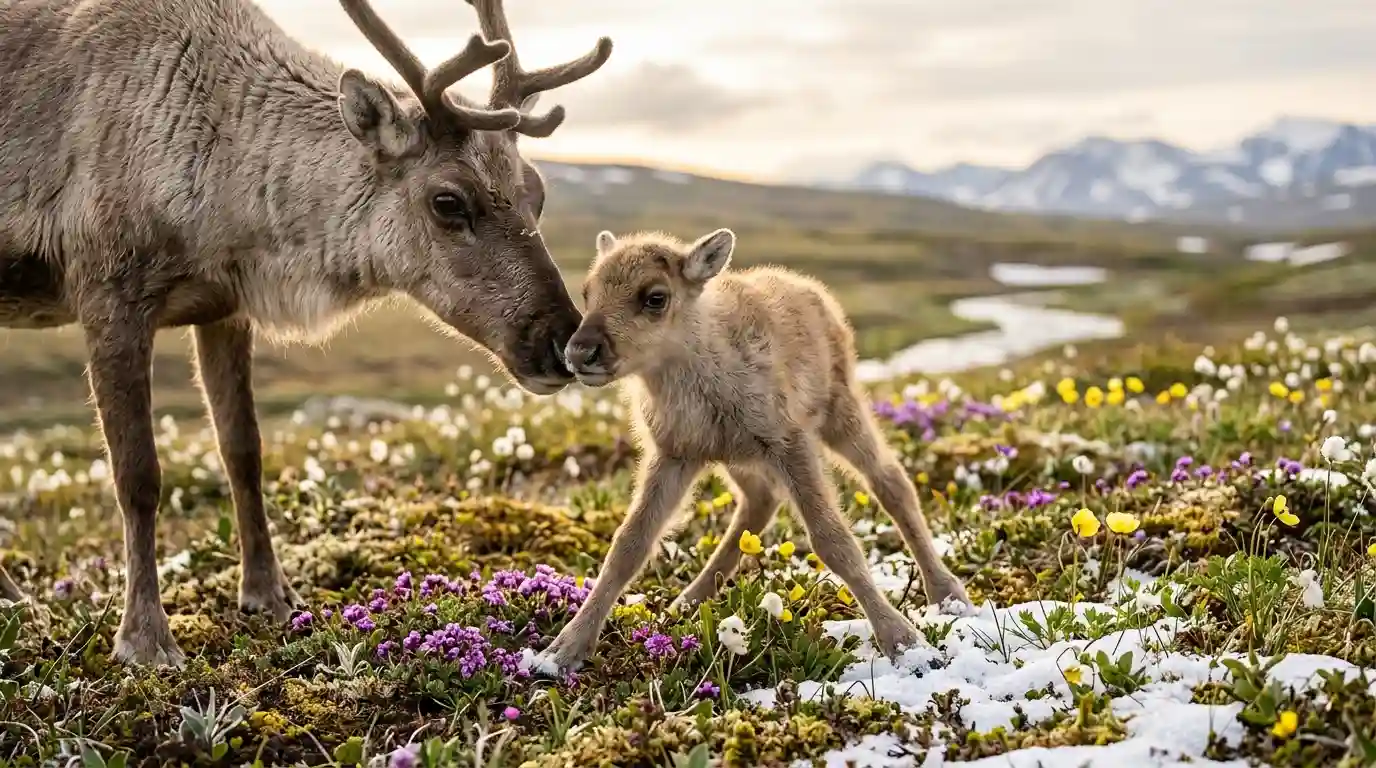
A newborn caribou calf must stand up within minutes of being born. Predators like brown bears and wolves are always watching for easy prey.
Within just a few hours, a baby calf can walk steadily alongside its mother.
Running Fast on Day One
By the time a caribou calf is one day old, it can outrun an adult human without breaking a sweat.
This fast development keeps calves safe during dangerous migration marches across open ground.
Super-Rich Mother’s Milk
Caribou milk is incredibly rich in fats and proteins, containing far more nutrients than cow’s milk. This high-calorie diet helps newborn calves grow rapidly before cold autumn weather returns.
MCQs
Test your knowledge on these caribou fun facts with this quick quiz!
- What type of animal is a caribou?
A) Bird
B) Mammal
C) Reptile
D) Fish - What is another name for caribou?
A) Reindeer
B) Moose
C) Buffalo
D) Antelope - Where do caribou mainly live?
A) Deserts
B) Arctic and subarctic regions
C) Tropical islands
D) Rainforests - What do caribou mostly eat?
A) Fish
B) Meat
C) Plants and lichens
D) Insects - Which body part helps caribou walk on snowy ground?
A) Wide hooves
B) Long claws
C) Wings
D) Flippers - What covers a caribou’s body to help keep it warm?
A) Scales
B) Thick fur
C) Feathers
D) Shell - What do caribou often do during seasonal migration?
A) Travel long distances
B) Fly south
C) Swim across oceans
D) Climb trees - Which caribou feature can help them find food under snow?
A) Strong hooves
B) Sharp teeth only
C) Long wings
D) Fins - What is a group of caribou commonly called?
A) Herd
B) Pack
C) Pride
D) Flock - Which animals are known for having antlers, including caribou?
A) Deer family
B) Cat family
C) Dog family
D) Bear family
Answer Key
- B
- A
- B
- C
- A
- B
- A
- A
- A
- A
FAQs
Are caribou and reindeer the same animal?
Yes, caribou and reindeer belong to the same scientific species, Rangifer tarandus. The word “caribou” refers to wild populations living in North America, while “reindeer” usually describes semi-domesticated herds found across northern Europe and Asia.
Why do caribou eyes change color in winter?
Caribou eyes turn sapphire blue in winter to increase light sensitivity during dark polar months. The structural change scatters available ambient light inside the eye, helping them spot food sources and dark predators against white snow landscapes.
Do female caribou really grow antlers?
Yes, female caribou grow antlers just like males do. Females retain their antlers through cold winter months to defend food craters in snow, while adult males drop theirs shortly after autumn mating season ends.
How far can caribou travel during annual migrations?
Caribou can travel up to 3,000 miles every year during seasonal migrations. This incredible travel distance represents the longest recorded land migration of any terrestrial mammal on the planet.
What do caribou eat when snow covers the ground?
Caribou use their sharp hoof edges to dig crater holes through deep snow to reach lichen beneath. Lichen provides essential calories that fuel caribou throughout freezing winter seasons.
How do caribou stay warm in sub-zero polar temperatures?
Caribou stay warm using thick coats filled with hollow insulation hairs that trap body heat. They also feature specialized nasal bones that warm incoming Arctic air before it reaches their delicate lungs.
Conclusion
Exploring these wild caribou fun facts shows just how amazingly adapted these polar creatures are for Arctic life. From shifting eye colors and hollow fur coats to ice-cleat hooves and UV vision, caribou are engineered to master cold environments.
Whether swimming fast rivers or migrating thousands of miles across frozen landscapes, caribou never cease to amaze wildlife lovers around the world. Next time you see a picture of these noble animals, you will know the incredible survival tricks behind their iconic antlers! Share these amazing facts with a friend to spread the polar wonder today!

Ethan Danial is the creator and lead writer behind FunWhirls.com, a fun-focused platform dedicated to entertaining ideas, fascinating facts, funny moments, creative lists, and content that sparks curiosity. With a genuine love for discovering interesting and unexpected topics, Ethan enjoys turning simple ideas into engaging content that readers can enjoy, learn from, and share. His approach is centered on making every article easy to read, enjoyable, and worth coming back to.
At FunWhirls.com, Ethan Danial explores the lighter and more entertaining side of everyday life. He creates content for readers who love discovering something new, having a quick laugh, or simply taking a break from the ordinary. From curious facts to playful ideas and entertaining discoveries, Ethan aims to keep the content fresh, positive, useful, and engaging for readers of all kinds.