
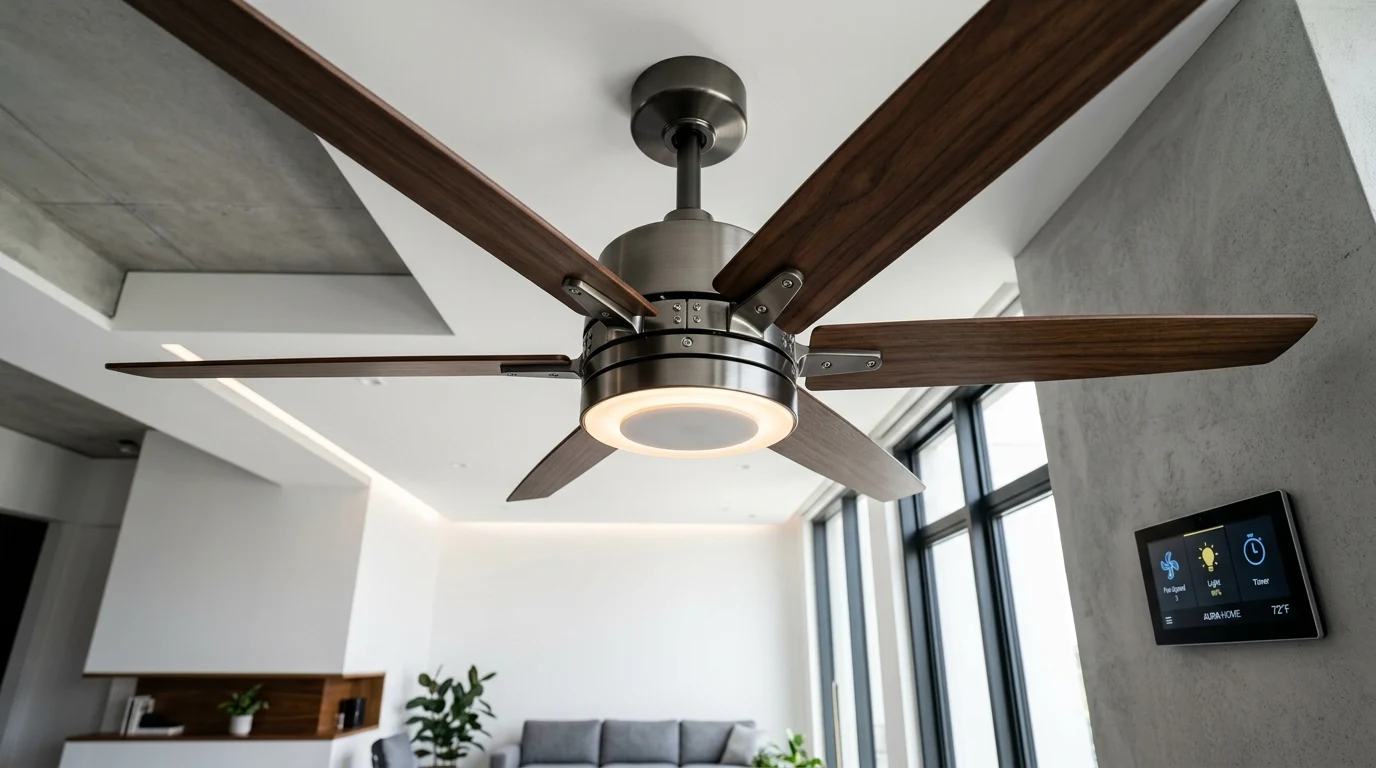
Ceiling fan fun encompasses the fascinating history, surprising science, and creative DIY possibilities behind these everyday cooling devices. From understanding airflow dynamics to exploring unique design hacks and vintage models, learning about ceiling fans combines practical home comfort with entertaining trivia that brightens up any living space.
Have you ever looked up at your living room ceiling and wondered about the spinning blades above you? There is actually a world of ceiling fan fun waiting to be discovered beyond just keeping your room cool.
Most people take these gentle breeze-makers for granted every single day. But once you dive into their history and science, you will see your overhead fixture in a whole new light.
Let us explore some amazing trivia, clever home hacks, and surprising facts that make ceiling fan fun such an exciting topic to share with friends.
The Fascinating Story Behind Ceiling Fans

Long before electricity existed, people still needed smart ways to stay cool during scorching summers. Early ancestors used large palm leaves and manual punkah fans pulled by ropes to move heavy indoor air.
The first motorized ceiling fans appeared in the late 1860s and were powered by water turbines rather than electricity. These mechanical marvels used a network of belts and pulleys to turn blades across multiple rooms simultaneously.
Philip Diehl changed everything in 1882 by mounting an electric motor directly onto a fan blade assembly. His brilliant invention sparked a cooling revolution that transformed homes, offices, and factories worldwide.
How Early Designs Worked
early water-powered fans relied on stream pressure to turn turbine wheels tucked inside building basements. Long wooden shafts connected those turbines directly to overhead fan blades installed in downstairs rooms.
As belt systems expanded, a single water wheel could power dozens of fans across an entire commercial building. While clever, these systems were notoriously noisy and required continuous mechanical maintenance to prevent belt slippage.
The Electric Motor Revolution
Adding electric motors made cooling systems compact, whisper-quiet, and accessible to everyday households. Suddenly, families could enjoy a gentle indoor breeze without needing complex plumbing or belt drives.
By the 1920s, ceiling fans became standard fixtures in homes across warm climates worldwide. They allowed people to sleep comfortably through humid nights long before modern air conditioning arrived.
Mind-Blowing Ceiling Fan Fun Facts You Never Knew
Did you know that ceiling fans do not actually cool the air in your room? They create a wind-chill effect on your skin that makes you feel up to four degrees cooler instantly.
Another surprising piece of ceiling fan fun is that running your fan clockwise in winter can lower heating bills. The upward draft pushes trapped warm air down off the ceiling without blowing cold breezes directly on you.
Ceiling fans are also amazingly energy efficient compared to heavy cooling appliances. Running a standard model all day typically costs less than a few cents in electricity.
The Science of Wind Chill
When fan blades spin, they push air downward to create a gentle column of moving breeze. That moving air evaporates thin moisture from your skin surface much faster than still air can.
This natural evaporation process pulls heat away from your body, instantly lowering your personal temperature. So remember to turn fans off when leaving a room because they cool people, not empty spaces!
Historic Fan Curiosities
- Early fan blades were often made of hand-carved palm fronds, canvas cloth, or heavy solid brass.
- President Grover Cleveland installed four-blade brass fans throughout the White House during his term.
- Antique fans used heavy oil baths for lubrication, requiring homeowners to check oil levels with tiny dipsticks.
Understanding How Ceiling Fan Blades Create Magic

Blade angle, often called pitch, plays the biggest role in how much air your fan actually moves. Most residential fans feature a pitch between twelve and fifteen degrees for optimal balance and performance.
If the angle is too flat, the blades slice through air without moving it effectively. If the angle is too steep, the motor struggles and consumes far more electricity while creating extra noise.
The number of blades also impacts how your fan looks and performs inside a room. While three blades move air fastest, five blades offer quieter operation and a balanced aesthetic.
Blade Pitch Explained Simply
Think of a fan blade like an airplane wing slicing through the sky at an angle. A steeper blade angle grabs larger scoops of air with every single revolution.
However, steeper angles require stronger motors to push through increased air resistance. Choosing the right pitch ensures smooth airflow without burning out your fan motor prematurely.
Three Blades vs. Five Blades
Three-blade designs create less drag on the motor, allowing blades to spin at higher overall speeds. They are popular in industrial settings where maximum airflow matters more than whisper-quiet sound.
Five-blade models offer a softer breeze and operate with significantly less noise. They are perfect for bedrooms and living rooms where peaceful relaxation is your top priority.
Creative DIY Ideas for Adding Ceiling Fan Fun to Your Space
You do not need to buy expensive new fixtures to give your old ceiling fans a fresh look. A simple coat of colorful paint can instantly turn an outdated fan into an eye-catching room centerpieces.
Try painting each blade a different vibrant color to create a rainbow effect when the fan spins. Kids love watching the spinning colors blend together into a soft pastel circle overhead.
You can also apply removable patterned wallpaper or decorative vinyl decals to the tops of blades. This easy weekend project adds subtle charm that shows up whenever the fan stops spinning.
Painting Fan Blades safely
Always remove fan blades completely from the motor assembly before starting any painting project. Cleaning off accumulated dust and grease with soap and water ensures your paint adheres smoothly.
Apply light coats of spray paint rather than thick brushed layers to keep weight equal across blades. Unbalanced blade weight causes annoying wobbles and puts unnecessary strain on your ceiling mount.
Creative Lighting Upgrades
- Swap basic glass shades for vintage Edison bulbs or colorful crackled glass globes.
- Add smart LED bulbs that change colors using voice commands or smartphone apps.
- Attach decorative pull chains made from vintage glass beads, wooden toys, or brass charms.
Troubleshooting Common Ceiling Fan Quirks
Nothing ruins ceiling fan fun faster than an annoying wobble or persistent squeaking sound. Fortunately, most common fan issues are easy to fix with simple tools you already have at home.
Wobbling is usually caused by loose mounting screws, bent blade brackets, or uneven dust accumulation. Giving your fan a thorough cleaning and tightening all visible screws solves most balance problems instantly.
If your fan squeaks, the motor bearings might need a quick drop of light machine oil. Modern sealed motors rarely need oil, but older models benefit greatly from periodic lubrication.
Balancing a Wobbling Fan
Start by measuring the distance from the tip of each blade straight up to your ceiling. If one blade hangs lower than others, gently bend its metal bracket back into alignment by hand.
If measuring does not solve the wobble, use a inexpensive plastic balancing clip kit from any hardware store. Move the clip along different blades until you pinpoint the exact spot that eliminates the wobble.
Fixing Noisy Motors
Clicking sounds often mean a light globe or blade bracket screw has loosened slightly over time. Tighten every fastner on the fan body to stop plastic and metal parts from rattling against each other.
Humming sounds usually point to cheap dimmer switches controlling the fan motor speed. Replacing wall dimmers with dedicated fan speed controls instantly removes that frustrating electrical hum.
How to Choose the Right Ceiling Fan for Your Home

Selecting the perfect fan requires matching blade diameter to the overall square footage of your room. Small rooms under one hundred square feet need compact thirty-six-inch fans to prevent overwhelming breezes.
Large living areas and open floor plans require fifty-two-inch or larger models to circulate air effectively. Installing too small a fan forces the motor to work overtime without cooling the room properly.
Always check ceiling height before buying any new overhead fixture for your living space. Standard mountings work great for eight-foot ceilings, while higher ceilings require downrods to drop fans lower.
Sizing Guide for Every Room
For small bedrooms or home offices, a forty-two-inch blade span provides plenty of refreshing air movement. This size keeps air moving comfortably without creating harsh drafts that blow papers off your desk.
Great rooms, open kitchens, and large master suites benefit from modern sixty-inch or seventy-inch models. These wider designs move vast amounts of air slowly and quietly across high-ceiling spaces.
Choosing the Best Mounting Style
Flush-mount or hugger fans install directly against drywall surfaces, making them ideal for low seven-foot ceilings. They keep blades safely away from tall family members while providing solid air circulation.
Vaulted or sloped ceilings require angled mounting kits and extended downrods to hang fans level. Hanging your fan eight feet above floor level delivers maximum airflow and optimal energy efficiency.
Energy Savings and Smart Fan Technology

Using ceiling fans alongside your home air conditioner can lower monthly energy bills by up to fifteen percent. Raising your thermostat four degrees while running a fan keeps you feeling just as cool for far less money.
Modern smart ceiling fans connect directly to home Wi-Fi networks and smart assistant devices. You can schedule fan speeds, control lighting, and set directional changes using simple smartphone apps or voice commands.
Integrated climate sensors can even turn fans on automatically when room temperatures rise past set thresholds. These high-tech features maximize daily comfort while cutting down on wasted electricity when you leave home.
Optimizing Your Thermostat Settings
Set your air conditioner thermostat to seventy-eight degrees during hot summer afternoons. Running your ceiling fan creates a wind-chill effect that makes seventy-eight degrees feel like seventy-four degrees.
Because fans use very little electricity, this simple adjustment saves noticeable money on utility bills every single month. Just remember to flick off fan switches whenever you walk out of the room.
Modern Smart Controls
- Set custom schedules so fans turn off automatically after you fall asleep at night.
- Program fans to turn on when indoor humidity levels spike during warm summer afternoons.
- Sync fan lighting with sunrise and sunset times to create automated home security routines.
MCQs
- What is the main purpose of a ceiling fan?
A) To heat a room
B) To move air
C) To produce water
D) To make light - What part of a ceiling fan spins?
A) Blades
B) Switchboard
C) Ceiling
D) Wall - What happens when ceiling fan blades rotate?
A) They move air around the room
B) They stop the air
C) They produce rain
D) They cool the floor - Which control is commonly used to change a fan’s speed?
A) Dimmer or speed controller
B) Thermometer
C) Clock
D) Speaker - What provides power to most electric ceiling fans?
A) Electricity
B) Wind only
C) Water
D) Sunlight directly - Which direction can some ceiling fans rotate to help circulate warm air?
A) Reverse
B) Sideways
C) Randomly
D) Not at all - Where are ceiling fans usually installed?
A) On the ceiling
B) Under the floor
C) Inside a refrigerator
D) On a table - What can a ceiling fan help people feel on a warm day?
A) Cooler
B) Heavier
C) Sleepier only
D) Wetter - Why should ceiling fan blades be kept clean?
A) To reduce dust buildup
B) To change their color
C) To make them heavier
D) To stop them spinning - What should you do before cleaning a ceiling fan?
A) Turn off the power
B) Increase the speed
C) Add water
D) Turn on all lights
Answer Key
- B
- A
- A
- A
- A
- A
- A
- A
- A
- A
FAQs
Can leaving a ceiling fan on all day damage the motor?
No, high-quality modern ceiling fan motors are designed to run continuously without overheating or breaking down. However, running a fan in an empty room wastes electricity because fans cool people through wind chill rather than changing actual room temperature.
Why is my ceiling fan making a loud humming noise?
Loud humming is usually caused by connecting your fan to a standard wall dimmer switch instead of a proper fan controller. Replacing the dimmer switch with a manufacturer-approved fan speed switch typically eliminates motor noise completely within minutes.
How often should I clean and dust my ceiling fan blades?
You should dust your fan blades at least once a month to prevent heavy dirt buildup that causes wobbling. Sliding an old pillowcase over each blade lets you wipe away dust without dropping dirt onto furniture below.
What size ceiling fan do I need for a master bedroom?
A standard master bedroom measuring around one hundred fifty to two hundred fifty square feet needs a fifty-two-inch fan. This size provides optimal air movement across the entire room while keeping motor operation quiet enough for peaceful sleeping.
Do ceiling fans really help lower winter home heating costs?
Yes, running your fan clockwise on low speed in winter pushes trapped ceiling heat down into living areas. This natural heat recirculation lets you lower your thermostat setting without sacrificing room comfort or warmth during cold weather.
How do I know if my ceiling fan is spinning in reverse?
Stand directly under the fan and look upward to observe which way the blades travel around the center motor. If blades move like clock hands, it is spinning clockwise; if moving opposite clock hands, it is running in summer mode.
Conclusion
Exploring the world of ceiling fan fun shows just how much history, science, and creativity sits right above our heads. From ancient water-driven turbines to modern Wi-Fi smart fans, these dependable fixtures remain essential for comfortable living.
Understanding blade angles, wind-chill mechanics, and seasonal rotation settings empowers you to maximize home comfort while cutting energy bills. Plus, simple DIY painting and lighting hacks let you express personal style in any room easily.
Next time you switch on your overhead breeze, take a moment to appreciate the clever engineering making your life cooler. Share your favorite ceiling fan fun facts with family and keep enjoying that perfectly balanced breeze!

Ethan Danial is the creator and lead writer behind FunWhirls.com, a fun-focused platform dedicated to entertaining ideas, fascinating facts, funny moments, creative lists, and content that sparks curiosity. With a genuine love for discovering interesting and unexpected topics, Ethan enjoys turning simple ideas into engaging content that readers can enjoy, learn from, and share. His approach is centered on making every article easy to read, enjoyable, and worth coming back to.
At FunWhirls.com, Ethan Danial explores the lighter and more entertaining side of everyday life. He creates content for readers who love discovering something new, having a quick laugh, or simply taking a break from the ordinary. From curious facts to playful ideas and entertaining discoveries, Ethan aims to keep the content fresh, positive, useful, and engaging for readers of all kinds.