
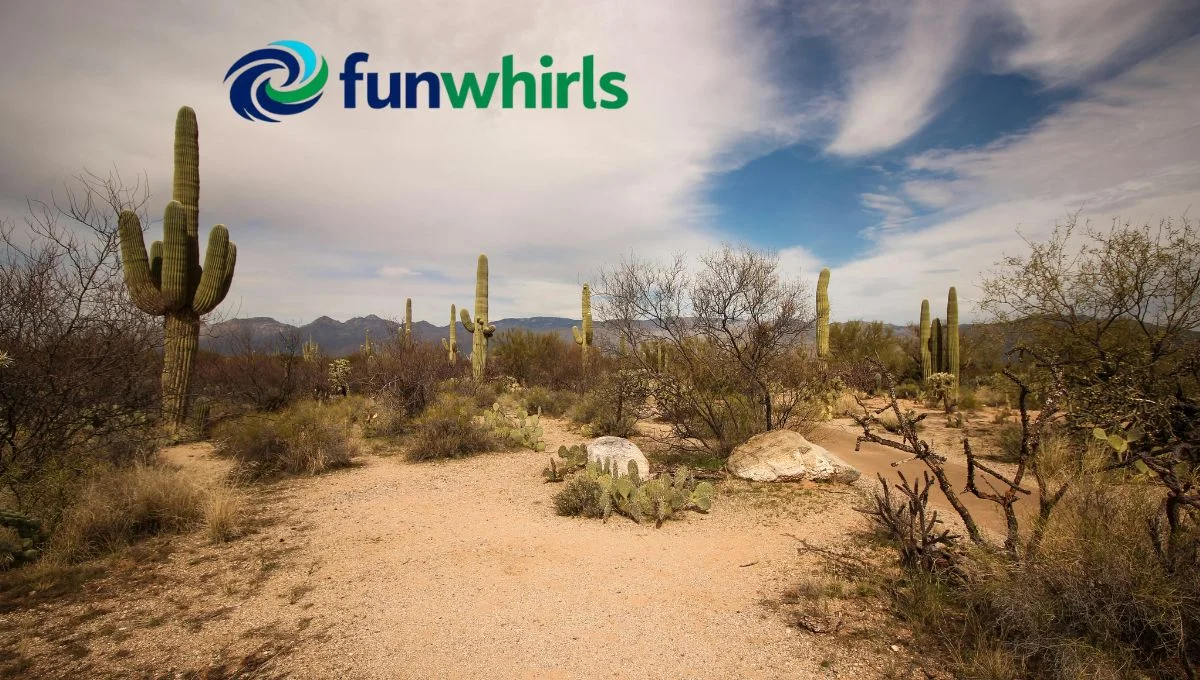
An Arizona fun fact showcases the state’s rich geography, history, and culture, such as the famous Saguaro cactus growing only in the Sonoran Desert. These fascinating details highlight why Arizona is a unique Southwest destination filled with natural wonders, ancient history, and surprising daily traditions.
Welcome to the exciting world of Arizona fun fact discoveries! Arizona is a fascinating state known for its stunning deserts, beautiful landscapes, rich history, and famous landmarks. Many surprising details make Arizona an interesting place to explore.
Learning an Arizona fun fact can reveal something new about the state’s geography, wildlife, culture, and history. From the breathtaking Grand Canyon to unusual desert plants, Arizona has plenty of stories and facts worth discovering.
One interesting Arizona fun fact can lead to many more discoveries about this unique state. Its colorful landscapes, Native American heritage, historic towns, and diverse wildlife make Arizona full of fascinating topics for curious readers.
In this article, you’ll discover interesting facts, surprising details, and fun information about Arizona. Whether you’re a student, traveler, or simply love learning new things, these facts will help you see the Grand Canyon State from a fresh perspective.
Unbelievable Geography and Climate Secrets
When most people picture Arizona, they imagine scorching sun, endless dunes, and prickly cacti as far as the eye can see. While the desert regions certainly get hot, Arizona’s physical geography is shockingly diverse and full of surprises.
The state transitions from low-elevation desert basins to towering alpine peaks that receive hundreds of inches of snowfall every winter.
Understanding these dramatic environmental contrasts helps explain why plant and animal life thrives here in such surprising ways.
The Mystery of the Sonoran Desert Saguaro
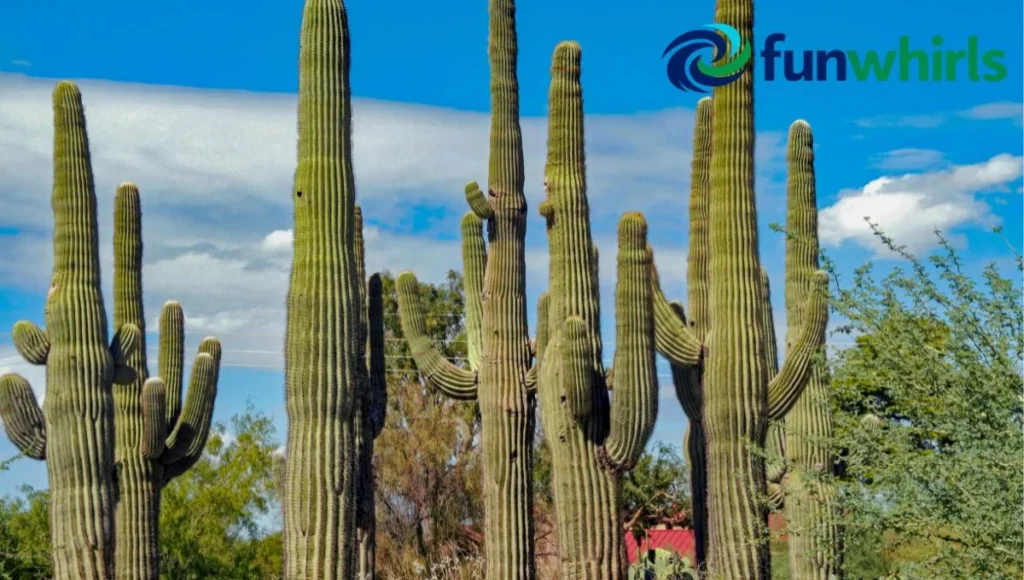
The Saguaro cactus is the ultimate symbol of the American West, but it actually grows natively in only one small region on Earth. You will find these majestic green giants exclusively in the Sonoran Desert, which covers parts of Arizona, California, and Mexico.
These slow-growing cacti can live for more than 150 to 200 years and reach heights of over forty feet. They do not even sprout their first side branch, or arm, until they are roughly 75 to 100 years old.
Harming or cutting down a wild Saguaro in Arizona is a serious crime. State law protects these iconic plants, making illegal destruction a felony offense punishable by fines and potential prison time.
Snowfall and Skiing in the Grand Canyon State
It might sound like a joke, but you can actually go snow skiing in Arizona throughout the winter months. Flagstaff, located in northern Arizona, sits at an elevation of 7,000 feet above sea level and receives over 75 inches of snow annually on average.
The San Francisco Peaks, which tower above Flagstaff, include Mount Humphreys, the highest point in the state at 12,633 feet.
During winter, locals and tourists head up to Arizona Snowbowl to ski, snowboard, and enjoy snowy alpine mountain views just a few hours’ drive from warm desert cities.
The Massive Continuous Ponderosa Pine Forest
Arizona is home to the largest continuous stretch of ponderosa pine trees anywhere in the entire world. This massive green belt stretches along the Mogollon Rim, a dramatic geological cliff line running across the center of the state.
This forest belt covers millions of acres, creating a cool, shaded sanctuary for elk, black bears, and wild turkeys.
Driving up from the desert plains into these dense pine woodlands feels like stepping into a completely different country in under an hour.
Surprising Time and Daylight Saving Traditions
Timekeeping in Arizona works a bit differently than it does across almost all other American states. If you travel here, you might need to double-check your watch so you do not miss dinner reservations or flight departures.
This unique approach to time zones stems from practical desert living considerations that go back half a century.
Why Arizona Ignores Daylight Saving Time
Arizona is one of only two U.S. states—Hawaii being the other—that does not observe Daylight Saving Time. Since 1968, the state has opted out of turning its clocks forward in spring and backward in autumn.
The decision was purely practical: summer days in the desert are extremely hot, so residents prefer the sun to set earlier in the evening. Adding an extra hour of daylight during scorching July afternoons would force air conditioners to run longer, spiking energy bills for everyone.
Because of this, Arizona stays on Mountain Standard Time year-round, aligning with Pacific Standard Time during the summer months.
The Navajo Nation Time Zone Exception
While the majority of Arizona ignores Daylight Saving Time, there is a fascinating geographical exception within its own borders. The Navajo Nation, a sovereign Native American territory covering northeastern Arizona, does observe Daylight Saving Time.
They change their clocks twice a year to stay synchronized with tribal lands that extend into neighboring Utah and New Mexico.
However, the Hopi Reservation, which is surrounded by the Navajo Nation, chooses not to observe Daylight Saving Time. Driving through this region in summer means your phone clock might jump back and forth three times within twenty miles!
Historical Oddities and Famous Legends
Arizona’s history is packed with colorful characters, Old West shootouts, and bizarre engineering projects that sound made up.
Exploring these historical milestones reveals how a rugged desert territory transformed into a bustling modern state.
A Real London Bridge Sitting in the Desert
If you visit Lake Havasu City in western Arizona, you will cross an authentic 1830s London Bridge imported straight from England. In 1968, real estate developer Robert P. McCulloch purchased the crumbling stone bridge from the City of London for over two million dollars.
Workers disassembled the historical structure block by block, carefully numbering every single granite stone before shipping them through the Panama Canal.
The bridge was reconstructed brick-by-brick in Arizona over a machine-made canal, turning a quiet desert town into a world-famous tourist hotspot.
The Gunfight at the O.K. Corral
Tombstone, Arizona, was the stage for the most famous shootout in Old West history. On October 26, 1881, lawmen Wyatt Earp, his brothers Virgil and Morgan, and Doc Holliday faced off against an outlaw gang known as the Cowboys.
The gunfight lasted only about thirty seconds, with roughly thirty shots fired in total at extremely close range.
Despite its brief duration, the legendary event cemented Tombstone’s reputation in pop culture, inspiring dozens of Hollywood Western movies and novels.
The Four Corners Monument Boundary Landmark
Arizona is the only place in the United States where four different states meet at a single geographic point. At the Four Corners Monument, you can stand in Arizona, Utah, Colorado, and New Mexico all at the same moment.
You can literally place your hands and feet on the bronze marker stone to be in four states at once.
The monument sits on tribal land maintained by the Navajo Nation, offering visitors traditional food, handmade jewelry, and sweeping desert views.
The World-Famous Grand Canyon and Natural Wonders
You cannot talk about Arizona without highlighting its most iconic geological wonder: the Grand Canyon. Carved over millions of years by the flowing waters of the Colorado River, this colossal chasm leaves millions of visitors speechless every year.
Beyond its incredible visual scale, the canyon contains hidden ecological secrets and ancient history.
How Big is the Grand Canyon Really?
The Grand Canyon stretches an astonishing 277 miles long, up to 18 miles wide, and over a mile deep in certain areas. It is so vast that it creates its own localized weather patterns depending on elevation.
The temperature difference between the canyon rim and the inner canyon floor near the river can exceed twenty degrees Fahrenheit.
While it is not the deepest canyon in the world, its sheer expanse and exposed colorful rock layers make it unmatched in geological beauty.
Hidden Villages Inside the Chasm
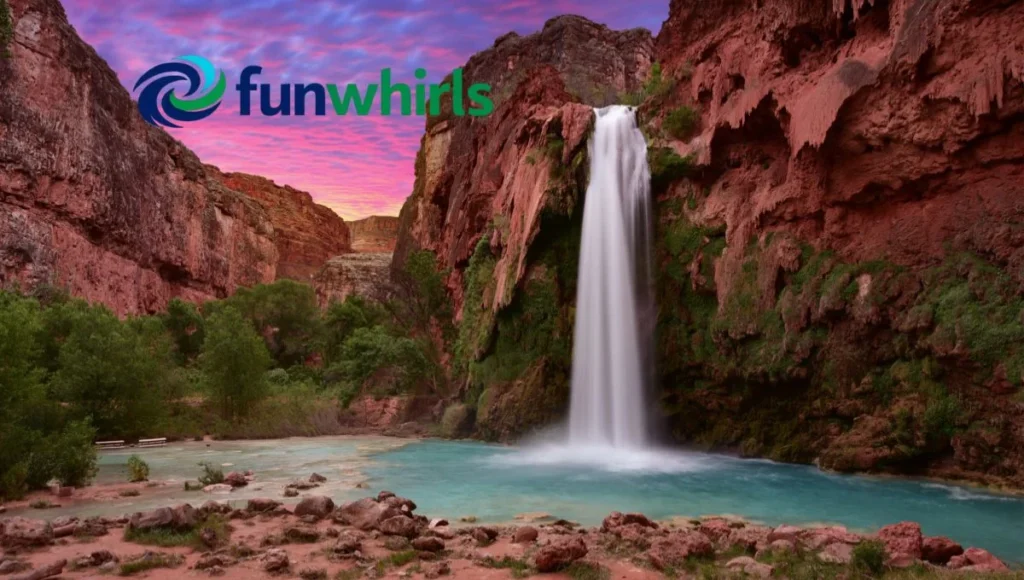
Tucked deep inside the Grand Canyon lies Supai, a secluded village that serves as the capital of the Havasupai Indian Reservation. It is widely considered the most isolated community in the lower 48 United States.
There are no paved roads leading down to Supai; the only way to reach it is by walking eight miles on foot, riding a mule, or taking a helicopter.
In fact, mail is still delivered to the village daily by pack mules—one of the last places in America where this traditional postal service operates.
Meteor Crater: The Earth’s Best-Preserved Impact Site
Near Winslow, Arizona, sits a giant hole in the ground created nearly 50,000 years ago when a metallic asteroid slammed into the Earth at 26,000 miles per hour. Known simply as Meteor Crater, it measures nearly a mile across and over 500 feet deep.
Because the desert air preserves geological formations, it remains the best-preserved meteorite impact site on Earth.
In the 1960s, NASA even used Meteor Crater to train Apollo astronauts to recognize impact craters before sending them to walk on the Moon.
Overview of Major Arizona Highlights
To help you compare the incredible geographical diversity and unique landmarks found across Arizona, here is a breakdown of key facts, locations, and special characteristics.
Culture, Inventions, and State Symbols
Arizona’s cultural heritage blends Native American traditions, Spanish colonial influences, and modern American innovation. This vibrant mix has given birth to unique culinary creations, scientific breakthroughs, and unusual state symbols.
Learning about these cultural details shows how traditions continue to shape local lifestyle today.
The Invention of the Chimichanga
Arizona claims credit for creating one of America’s favorite Tex-Mex dishes: the crispy deep-fried burrito known as the chimichanga.
Legend has it that in the 1950s, Monica Flin, founder of the famous El Charro Café in Tucson, accidentally dropped a meat-filled burrito into a deep fryer full of sizzling oil.
She started to blurt out a Spanish profanity, but quickly changed her words to “chimichanga”—a slang phrase roughly meaning “thingamajig.” The crispy result was an instant hit with customers!
Pluto Was Discovered in Flagstaff
In 1930, twenty-three-year-old astronomer Clyde Tombaugh made a historic scientific discovery at the Lowell Observatory in Flagstaff, Arizona. While scanning photographic plates of the night sky, he spotted a tiny, moving point of light that turned out to be Pluto.
Lowell Observatory remains one of the oldest astronomical research stations in the United States.
Because of Flagstaff’s commitment to dark sky preservation laws, the city was officially named the world’s first International Dark Sky City in 2001.
Official State Symbols and Unique Natural Icons
Arizona has chosen several distinct natural items to represent its state heritage officially:
- State Bird: Cactus Wren, a clever bird that builds its protective nests inside prickly Saguaro cacti to avoid predators.
- State Flower: Saguaro Blossom, a delicate white flower that blooms at night on top of cactus arms during late spring.
- State Tree: Palo Verde, a unique tree featuring green bark that performs photosynthesis even when it loses its leaves.
- State Reptile: Ridge-nosed Rattlesnake, a small, protected mountain snake native to southern Arizona ranges.
These symbols reflect how native flora and fauna adapt to survive in rugged desert environments.
Economic Powerhouses: The Five Cs of Arizona
Historically, Arizona’s economic growth and population boom relied on five primary industries, traditionally taught to schoolchildren as “The 5 Cs.”
Understanding these core industries helps explain how a remote western territory built a modern, booming state economy.
Copper: The Metal That Built the Towns
Arizona produces more copper than any other state in the nation, earning it the nickname “The Copper State.” Mining booms in the late 1800s created wealthy mountain towns like Jerome, Bisbee, and Tombstone.
Copper wiring helped electrify the growing United States during the Industrial Revolution.
Today, copper mining remains a vital industry, supplying materials needed for modern electronics, electric vehicles, and renewable energy grids.
Cattle: Ranching on the Western Frontier
Ranching played an enormous role in settling Arizona’s sprawling valleys and grassy plains. Open-range cattle drives moved thousands of livestock across rugged mountain trails to railroad hubs.
Beef production remains a major agricultural force today, supplying food to markets across the globe.
Arizona ranchers have adapted sustainable grazing practices to protect native grasslands while maintaining thriving cattle herds.
Cotton: White Gold of the Desert Valleys
Despite low rainfall, early farmers utilized advanced irrigation systems to turn desert valleys into high-yielding cotton fields.
Arizona produces long-staple Pima cotton, famous for its exceptional softness, strength, and premium quality in high-end clothing.
Modern drip-irrigation techniques allow farmers to grow high-yield cotton crops while conserving valuable water supplies.
Citrus: Sweet Fruits from Sun-Drenched Groves
Arizona’s long sunny days and warm weather create perfect conditions for growing delicious citrus crops. Lemon, grapefruit, orange, and lime groves expanded rapidly across central valleys throughout the twentieth century.
Arizona lemons are particularly prized across international markets for their high juice content and bright flavor.
While urban expansion has replaced many historic groves, citrus farming remains a beloved staple of local agricultural heritage.
Climate: The Ultimate Tourist Magnet
The fifth “C” stands for climate, which attracted millions of health-seekers, retirees, and winter tourists to Arizona starting in the mid-1900s.
The dry, warm air provided relief for people suffering from respiratory issues, while warm winter temperatures made it a refuge from freezing northern snowstorms.
Today, tourism remains one of Arizona’s largest economic drivers, bringing millions of visitors to explore desert resorts, golf courses, and national parks every year.
Tips for Visiting Arizona Like a Pro
If you are planning a trip to explore Arizona firsthand, keeping a few practical tips in mind will make your journey far safer, smoother, and more enjoyable.
Desert environments demand respect, especially during the warm summer months when temperatures skyrocket.
Staying Safe in Extreme Desert Heat
Summer temperatures in southern and central Arizona frequently exceed 100 to 115 degrees Fahrenheit. Heat exhaustion and heat stroke are real dangers for unprepared travelers.
- Always carry twice as much drinking water as you think you will need, even for short walks.
- Avoid hiking during the middle of the day between 10:00 AM and 4:00 PM when solar radiation peaks.
- Wear lightweight, long-sleeved clothing, wide-brimmed hats, and UV-blocking sunglasses.
- Apply broad-spectrum sunscreen frequently to protect exposed skin from intense desert sun.
Pack for Shocking Temperature Drops
Desert air holds very little moisture, meaning heat escapes rapidly into the atmosphere once the sun sets. A desert day that reached 90 degrees can easily plummet into the 50s or 40s after dark!
If you are camping, stargazing, or attending outdoor evening events, always pack warm layers, jackets, and thermal blankets.
Being prepared for both intense daytime heat and chilly night air keeps you comfortable throughout your desert adventures.
Respecting Native American Tribal Lands
Nearly a quarter of Arizona’s total land area consists of sovereign Native American reservations belonging to 22 distinct federally recognized cohorts.
When visiting tribal lands like the Navajo Nation, Hopi Reservation, or Havasupai grounds, always follow local laws and cultural etiquette carefully.
Obtain necessary hiking or photography permits, respect sacred monuments, and buy authentic, handmade crafts directly from local Native artisans.
Practice Exercise
Test your knowledge about Arizona’s history, geography, and fun facts with this quick ten-question practice quiz!
- Which famous cactus grows natively only in the Sonoran Desert?
A. Prickly Pear B. Saguaro C. Barrel Cactus D. Organ Pipe Cactus - Why does most of Arizona choose not to observe Daylight Saving Time?
A. To keep public school schedules simple B. To avoid extra daytime heat and save energy C. Because local train lines requested it D. To match international flight schedules - Which isolated community inside the Grand Canyon still receives its mail delivered by pack mules?
A. Tombstone B. Flagstaff C. Supai D. Jerome - What famous European landmark was imported and rebuilt in Lake Havasu City in 1968?
A. London Bridge B. Eiffel Tower Replica C. Roman Colosseum Arch D. Berlin Wall Segment - Which city was named the world’s first International Dark Sky City in 2001?
A. Tucson B. Phoenix C. Flagstaff D. Sedona - What popular Tex-Mex food item was reportedly invented accidentally in Arizona?
A. Fish Taco B. Chimichanga C. Tamale D. Enchilada - Which Native American territory inside Arizona observes Daylight Saving Time?
A. Hopi Reservation B. Navajo Nation C. Tohono O’odham Nation D. Yaqui Reservation - What dwarf planet was discovered at the Lowell Observatory in Flagstaff in 1930?
A. Eris B. Ceres C. Pluto D. Makemake - Which of the traditional “Five Cs” refers to Arizona’s primary metal mining industry?
A. Climate B. Copper C. Cattle D. Citrus - What unique natural feature runs across central Arizona, housing the world’s largest ponderosa pine forest?
A. Mogollon Rim B. Painted Desert C. Sonoran Basin D. Chiricahua Ridge
Answer Key
- B
- B
- C
- A
- C
- B
- B
- C
- B
- A
Frequently Asked Questions (FAQs)
What is the most famous Arizona fun fact?
The most famous Arizona fun fact is that the iconic Saguaro cactus grows natively only in the Sonoran Desert. These giant cacti can live over 150 years and grow up to 40 feet tall, serving as a protected national symbol of the American Southwest.
Does it ever rain in Arizona?
Yes, Arizona receives rain, particularly during its summer monsoon season between July and September. Moisture sweeps up from the Gulf of California, creating sudden, powerful afternoon thunderstorms that produce heavy downpours, dramatic lightning displays, and brief flash flooding in dry washes.
What is the official nickname of Arizona?
Arizona’s official nickname is “The Grand Canyon State,” honoring the world-famous natural wonder located in its northern region. It is also historically nicknamed “The Copper State” due to its rich mining history and massive copper production output.
Can you really stand in four states at once in Arizona?
Yes, you can stand in four states at once at the Four Corners Monument in northeastern Arizona. By placing your hands and feet on the official bronze marker, you simultaneously occupy land in Arizona, Utah, Colorado, and New Mexico.
Why is the air in Arizona considered good for health?
Arizona’s desert air has low humidity levels, which historically helped reduce airborne pollen, mold spores,s and respiratory irritants. In the twentieth century, thousands of people moved to Arizona seeking relief from asthma, allergies, and lung conditions.
What is the highest point in Arizona?
The highest point in Arizona is Mount Humphreys, reaching an elevation of 12,633 feet above sea level. Located just north of Flagstaff within the San Francisco Peaks, Mount Humphreys offers hiking trails, alpine tundra views, and winter ski slopes.
Conclusion
Arizona is a state filled with incredible landscapes, fascinating history, and unique natural wonders. From its famous canyons and deserts to its diverse wildlife, there is always something interesting to learn about this remarkable place.
Every Arizona fun fact gives us another reason to appreciate the state’s natural beauty and cultural heritage. Its unique environment and history have helped make Arizona one of the most recognizable states in the United States.
Discovering an Arizona fun fact is also a fun way to learn about geography, nature, history, and American culture. Even familiar places can become more interesting when you discover the stories and facts behind them.
We hope these facts have made you curious to learn more about Arizona. Keep exploring, keep learning, and enjoy discovering the many fascinating facts that make the Grand Canyon State so special!

Ethan Danial is the creator and lead writer behind FunWhirls.com, a fun-focused platform dedicated to entertaining ideas, fascinating facts, funny moments, creative lists, and content that sparks curiosity. With a genuine love for discovering interesting and unexpected topics, Ethan enjoys turning simple ideas into engaging content that readers can enjoy, learn from, and share. His approach is centered on making every article easy to read, enjoyable, and worth coming back to.
At FunWhirls.com, Ethan Danial explores the lighter and more entertaining side of everyday life. He creates content for readers who love discovering something new, having a quick laugh, or simply taking a break from the ordinary. From curious facts to playful ideas and entertaining discoveries, Ethan aims to keep the content fresh, positive, useful, and engaging for readers of all kinds.