Baking facts fun enough to share combine kitchen science with fascinating history, showing how simple ingredients like flour, sugar, yeast, and butter interact. Understanding these hidden mechanisms helps you troubleshoot flat cakes, master heat transfer, and bake delicious, reliable treats every single time.
Have you ever wondered why your kitchen turns into a mini science lab the second you turn on the oven? Gathering baking facts fun enough to share with friends completely changes how you view a simple loaf of bread or a batch of cookies.
Whether you are looking for baking facts fun for trivia night or just want to improve your weekend recipes, the hidden history of the kitchen is surprisingly wild. Let us explore the incredible science, surprising history, and clever mechanics that make baking such an enjoyable art form.
The Chemistry Behind Your Oven Doors
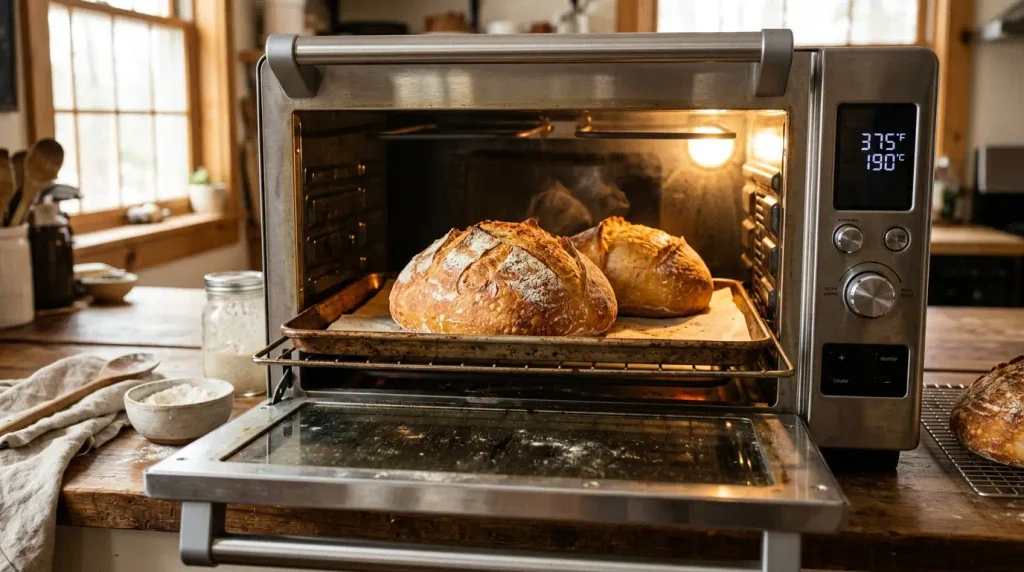
Baking is pure chemistry disguised as comfort food. When you mix ingredients, you trigger complex molecular reactions that build structure, create lift, and develop incredible flavors.
The Maillard Reaction: Why Crusts Taste So Good
Have you ever noticed how the top of a loaf of bread turns a rich golden brown? That magic is caused by the Maillard reaction, a chemical process named after French chemist Louis-Camille Maillard.
When amino acids and sugars hit heat around 280°F, they break apart and recombine into hundreds of new flavor compounds. This simple reaction creates the deep, savory aroma that fills your house every time you roast or bake.
Leavening Agents: The Gas That Lifts Your Dough
Without leavening agents, every cake you bake would turn out as flat and heavy as a brick. Ingredients like baking soda and baking powder release carbon dioxide gas bubbles when mixed with wet liquids and heated.
These tiny air bubbles get trapped inside the wet batter, expanding as the temperature rises. As the flour proteins firm up around the gas, your baked goods hold that light, airy shape permanently.
Gluten Development: Building the Structure
Gluten is the stretchy protein web formed when water mixes with two proteins found in wheat flour, called glutenin and gliadin. Kneading the dough pulls and stretches these proteins into long, elastic chains.
- Heavy kneading creates tight gluten webs perfect for chewy sourdough bread.
- Minimal mixing keeps gluten strands short, yielding tender cakes and flaky pie crusts.
- Resting dough lets the protein strands relax, making the dough much easier to shape.
Surprising Ancient History of Baked Goods
People have been baking long before modern electric ovens or pre-packaged flour existed. Ancient bakers were incredibly resourceful, using hot stones and early clay pots to feed entire communities.
Ancient Egypt and the First Wild Yeast Bread
The ancient Egyptians were among the first people to master sourdough baking around 4000 BCE. They accidentally discovered that leaving grain mixtures out in the open air attracted wild yeast spores present in the environment.
Rather than throwing the sour batter away, they baked it and realized it was softer and tasted better than flatbread. Sourdough quickly became a dietary staple and was even used as currency to pay laborers.
The Royal Roots of Modern Cake Decorating
During the Middle Ages, sweet cakes were a luxury reserved strictly for wealthy nobility and royalty. Sugar was so rare and expensive that showing off elaborate sugar sculptures was the ultimate display of wealth.
By the 17th century, European royal chefs began using metal hoops to shape cakes on flat sheets. They topped these treats with early versions of royal icing made from beaten egg whites and boiled sugar.
Unbelievable Baking Facts Fun for Beginners
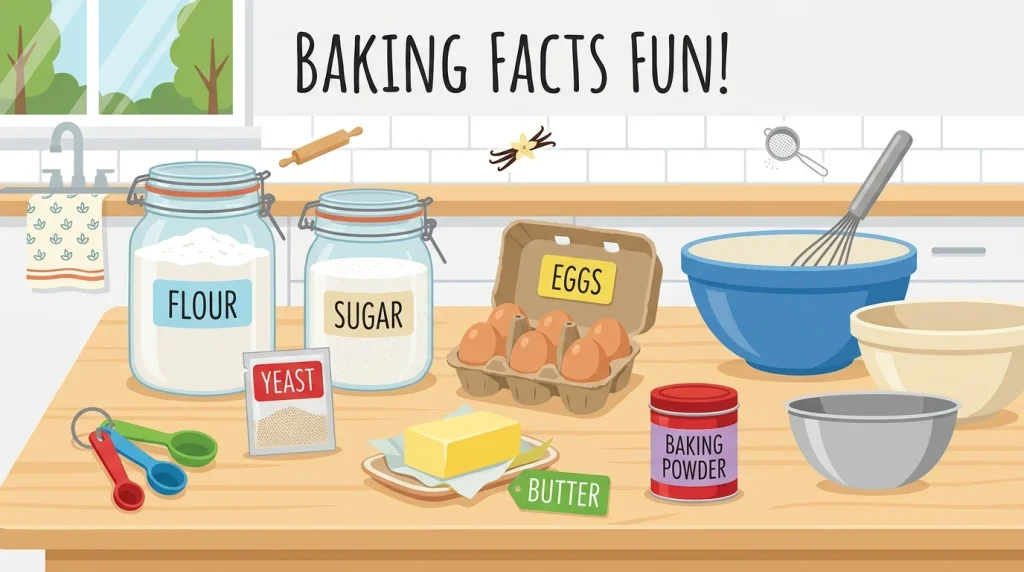
Starting in the kitchen can feel overwhelming, but a few core truths make the entire process much smoother. Here are some fundamental truths every home baker should know.
Measuring by Weight Versus Volume
Measuring flour with a cup can lead to major inconsistencies in your recipes. Depending on how tightly you pack the flour, a single cup can vary by as much as twenty or thirty grams.
Using a digital kitchen scale guarantees that your dry ingredients match the exact recipe proportions every time. Weighing ingredients eliminates guesswork and keeps your cookies from turning out dry or cakey.
Room Temperature Ingredients Matter
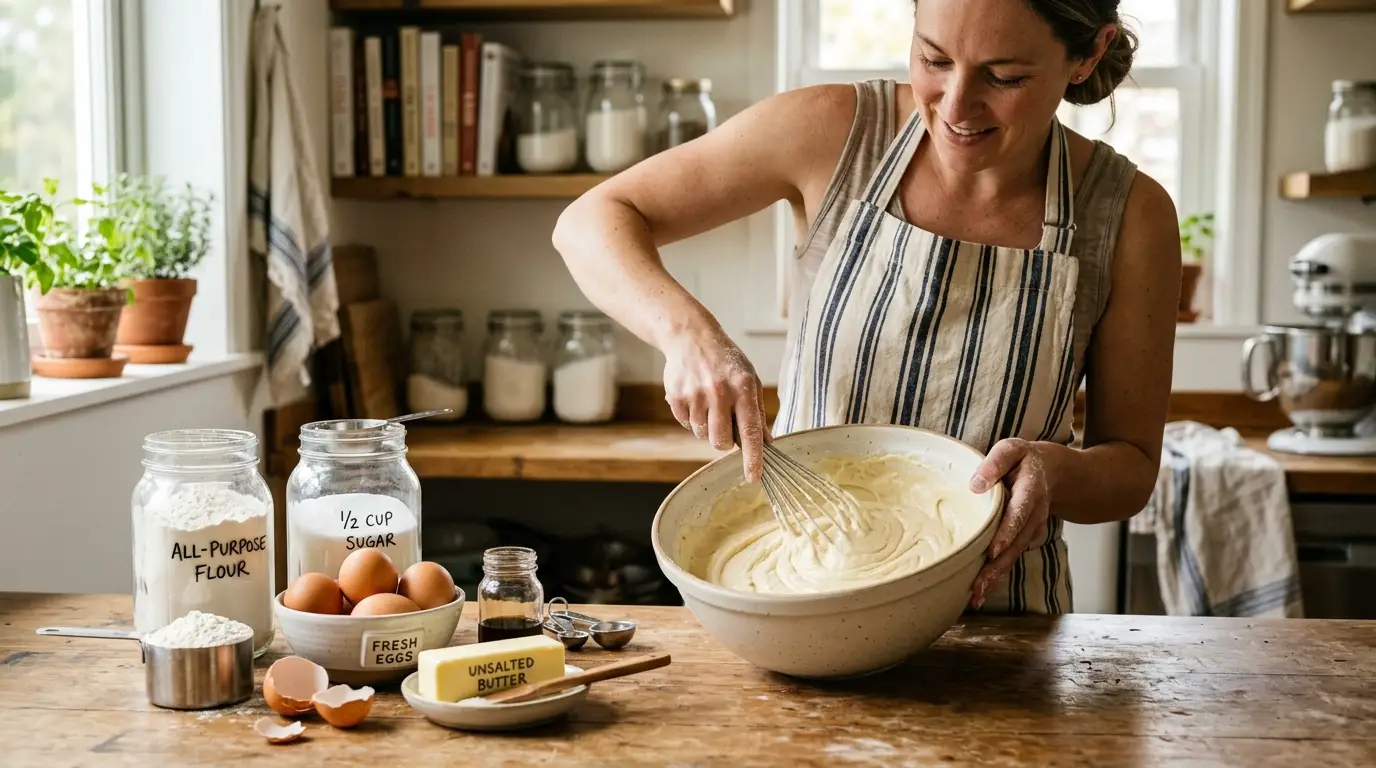
When a recipe asks for room temperature butter, eggs, or milk, it is not just a polite suggestion. Ingredients at the same temperature blend easily, forming a smooth, uniform emulsion that traps air evenly.
Cold eggs added to melted butter will instantly cause the fats to curdle and separate. Warm, soft ingredients create a silky batter that rises evenly in the hot oven.
The Real Difference Between Baking Soda and Powder
Baking soda is pure sodium bicarbonate, which requires an acid like lemon juice, buttermilk, or yogurt to react. Once it hits an acidic liquid, it instantly produces carbon dioxide bubbles.
Baking powder is a complete mixture that contains both sodium bicarbonate and a dry acid like cream of tartar. Double-acting baking powder reacts twice: first when mixed with liquids, and second when exposed to oven heat.
Quick Breakdown of Common Leavening Agents
- Baking Soda: Made of pure sodium bicarbonate. It needs an added acid and a liquid to work. It is best used for buttermilk pancakes, chewy cookies, and gingerbread.
- Baking Powder: Made of sodium bicarbonate combined with a dry acid. It reacts when mixed with liquid, and then reacts again when exposed to heat. It is best used for fluffy cakes, quick breads, muffins, and scones.
- Active Dry Yeast: Consists of living single-celled organisms. It requires warm water, food, and time to activate. It is best used for artisan sourdough, cinnamon rolls, and pizza dough.
The Weird Science of Sugar, Fat, and Eggs
Every basic ingredient in your pantry performs multiple jobs inside a baking pan. Sugar does far more than make food sweet, and fats do much more than add rich flavor.
Sugar Is Actually a Liquid Ingredient
While sugar looks and feels like a dry powder in your measuring cup, scientists classify it as a liquid component in baking. Sugar dissolves into liquids during mixing, adding moisture and preventing gluten from forming too tightly.
If you reduce the sugar in a recipe by half, your cake will turn out dry, tough, and pale. Sugar holds onto water molecules, keeping your baked treats soft and moist long after they cool down.
Fats Creamed with Sugar Create Air Pockets
When you beat butter and granulated sugar together, the sharp sugar crystals slice through the soft fat, carving out millions of micro-pockets. These microscopic holes trap air inside the mixture.
During baking, the leavening gases expand into these pre-made air pockets, lifting the batter smoothly. Skipping the creaming step leaves your cakes dense, heavy, and flat.
Eggs are the Ultimate Kitchen Multitaskers
Egg yolks are packed with natural fats and lecithin, a natural emulsifier that holds water and oil together nicely. Yolks bring rich flavor, smooth texture, and golden color to your doughs.
Egg whites are almost pure protein and water, capable of expanding eight times their volume when whipped. Whipped egg whites create the delicate structure needed for soufflés, meringues, and angel food cakes.
- Egg Yolks (Fats & Lecithin): Bind oil and water together while adding rich flavor.
- Egg Whites (Protein & Water): Trap air bubbles and build strong structure.
Surprising Kitchen History and Food Folklore
Every classic recipe in your favorite cookbook carries a fascinating backstory. Many of our favorite everyday treats were created by complete accident or clever kitchen experiments.
The Accidental Invention of the Chocolate Chip Cookie
In 1938, Ruth Wakefield ran the Toll House Inn in Massachusetts and wanted to make chocolate butter cookies. Running low on baker’s chocolate, she chopped up a bar of Nestlé semi-sweet chocolate, assuming it would melt into the batter.
Instead, the chocolate bits held their shape, creating melted pockets of chocolate inside a crisp cookie dough. Her accidental creation became an instant sensation across the country.
Why Pre-Heating Your Oven Really Matters
Early home cooks baked food using firewood or coal, making heat control an unpredictable guessing game. The invention of gas and electric ovens allowed cooks to hit precise temperatures before sliding pans inside.
Putting batter into a cold oven ruins the baking process completely. Without instant heat, the fats melt and slide out before the flour proteins firm up to hold the structure.
Mind-Blowing Facts About Flour and Grains
Flour seems like a simple ingredient, but different grains act completely differently inside a mixing bowl. Choosing the right flour determines whether your bake turns out tender or chewy.
Cake Flour vs Bread Flour
The difference between cake flour and bread flour comes down to protein content. High-protein flour builds strong gluten structures, while low-protein flour keeps things delicate.
- Bread flour contains 12% to 14% protein for strong, chewy artisan loaves.
- All-purpose flour contains 10% to 12% protein for everyday baking versatility.
- Cake flour contains 7% to 9% protein for light, tender, fine-crumbed cakes.
Why Bleached Flour Behaves Differently
Bleached flour is treated with safe food-grade agents to speed up the natural aging process of wheat. This treatment softens the proteins and alters the starch content slightly.
Bleached flour absorbs liquids faster than unbleached varieties, producing a lighter and softer cake structure. Unbleached flour retains more natural protein strength, making it ideal for yeast breads and pastry crusts.
The Secret World of Vanilla and Spices
Spices do not just add pleasant smells; they interact directly with fats and sugars to mask bitter notes and elevate hidden flavors.
Real Vanilla Is More Complex Than Synthetic Extracts
Pure vanilla extract contains over 250 distinct flavor compounds that give it a rich, complex aroma. Pure vanilla comes from the cured seed pods of specific tropical orchids.
Imitation vanilla extract is made from vanillin, a single organic compound manufactured in a laboratory. While synthetic vanilla works fine in high-heat baking, real vanilla excels in unbaked frostings and puddings.
Salt Is the Most Important Baking Ingredient
You might wonder why sweet cake batter requires a pinch of fine salt. Salt suppresses natural bitterness while highlighting sweet and fruity notes across your palate.
Salt also strengthens the gluten network in bread dough, preventing the yeast from producing gas too quickly. Without salt, bread dough rises uncontrollably and collapses into a sticky, bland mess.
Troubleshooting Common Baking Failures
Understanding how ingredients function makes fixing kitchen mistakes straightforward. Here is how to fix three common baking issues before they ruin your dessert.
Why Your Cake Sunk in the Center
A sunken cake center usually points to one of three simple causes. Opening the oven door too early lets cool air rush in before the protein structure sets firmly.
Using too much baking powder creates more gas bubbles than the batter structure can hold, causing the cake to collapse. Expired baking powder can also fail to provide enough lift to set the middle.
Why Your Cookies Spread Too Much
When cookies spread into a flat, greasy puddle, warm butter is usually the primary culprit. If the butter is too warm, it melts faster than the flour structure can set in the oven heat.
Chill your cookie dough in the refrigerator for at least one hour before placing it on the baking sheet. Cold butter melts slowly, giving the flour time to set into a thick, chewy cookie.
Why Your Pie Crust Ended Up Tough
A tough pie crust happens when too much gluten forms during mixing and rolling. Using warm water or overworking the butter into the flour releases too much moisture into the proteins.
Always use ice-cold water and cold butter cubes when making pie dough. Keep handling to a minimum to keep the gluten relaxed and the baked crust tender and flaky.
Cool Temperature Hacks for Baking Success
Temperature control is one of the most effective tools a home baker can master. Controlling temperature gives you full authority over how batter behaves inside the oven.
The Role of Humidity in the Kitchen
Dry winter air pulls moisture out of your flour, making doughs feel tight and sticky. High summer humidity causes flour to absorb extra moisture right out of the air.
Adjust your wet liquids slightly depending on the weather outside. If your bread dough feels too sticky on a humid afternoon, sprinkle in a tablespoon of extra flour.
Understanding Oven Hot Spots
Virtually every home oven has hotter and cooler zones created by heating elements and air circulation patterns. These temperature differences can cause one side of your pan to bake faster than the other.
Rotate your baking sheets 180 degrees halfway through the total baking time. This simple step ensures even browning and prevents one side of your cake from overcooking.
Fun Practice Exercise
Test your knowledge with these 10 practice questions.
- Which ingredient helps many cakes rise?
A) Baking powder
B) Salt
C) Water
D) Oil - What happens when bread dough is baked?
A) It becomes firm and cooked
B) It turns into ice
C) It becomes liquid
D) It disappears - Which ingredient is commonly used to add sweetness to cakes?
A) Sugar
B) Pepper
C) Vinegar
D) Salt - What is yeast commonly used for?
A) Helping bread dough rise
B) Coloring cookies
C) Freezing cakes
D) Making flour - Which tool is commonly used to measure baking ingredients accurately?
A) Measuring cup
B) Hammer
C) Compass
D) Ruler - What gives many baked goods their golden-brown color?
A) Heat during baking
B) Cold air
C) Ice
D) Water - Which ingredient provides structure in many cakes and cookies?
A) Flour
B) Juice
C) Ice
D) Tea - What appliance is commonly used for baking?
A) Oven
B) Refrigerator
C) Blender only
D) Freezer - What is dough usually made from?
A) Flour and other ingredients
B) Ice only
C) Fruit juice only
D) Sugar water only - Why is preheating an oven important?
A) It brings the oven to the desired temperature before baking
B) It freezes the food
C) It removes all ingredients
D) It makes the oven smaller
✅ Answer Key
1-A, 2-A, 3-A, 4-A, 5-A, 6-A, 7-A, 8-A, 9-A, 10-A
FAQs
What makes cake flour different from all-purpose flour?
Cake flour is milled from soft wheat and contains a lower protein content, usually around seven to nine percent. This low protein level prevents gluten from forming tightly, producing light, tender, and delicate cakes.
Why did my cookies turn out flat and greasy?
Cookies spread flat when the butter melts before the flour structure has time to set in the oven. Chilling your cookie dough in the refrigerator before baking keeps the butter firm so the cookies hold their thick shape.
Can I substitute baking soda for baking powder directly?
No, you cannot swap them directly in equal amounts because baking soda is four times stronger than baking powder. Baking soda also requires an added acid to react, whereas baking powder contains its own dry acid activator.
Why do recipes call for unsalted butter instead of salted?
Unsalted butter lets you control the exact amount of salt in your recipe. Different butter brands add varying amounts of salt, which can alter the delicate flavor balance and gluten structure of your doughs.
How do I know if my baking powder has expired?
Test your baking powder by stirring half a teaspoon into a small cup of warm water. If the mixture fizzes and bubbles enthusiastically right away, the baking powder is fresh and ready to use in your batter.
Why should I rest my bread dough after kneading it?
Resting bread dough allows the tightly stretched gluten proteins to relax and absorb water fully. Relaxed dough is easier to shape without snapping back, resulting in an even rise and a better crumb structure.
Conclusion
Exploring baking facts fun enough to share turns every trip to the kitchen into an exciting learning opportunity. Understanding how flour, sugar, eggs, and heat interact gives you the confidence to adapt recipes and troubleshoot issues easily.
Baking is an enjoyable balance of culinary art and chemical science. The next time you measure out flour or cream butter and sugar, remember the fascinating reactions happening inside your mixing bowl. Grab your measuring scale, preheat your oven, and enjoy creating your next batch of baked treats!

Ethan Danial is the creator and lead writer behind FunWhirls.com, a fun-focused platform dedicated to entertaining ideas, fascinating facts, funny moments, creative lists, and content that sparks curiosity. With a genuine love for discovering interesting and unexpected topics, Ethan enjoys turning simple ideas into engaging content that readers can enjoy, learn from, and share. His approach is centered on making every article easy to read, enjoyable, and worth coming back to.
At FunWhirls.com, Ethan Danial explores the lighter and more entertaining side of everyday life. He creates content for readers who love discovering something new, having a quick laugh, or simply taking a break from the ordinary. From curious facts to playful ideas and entertaining discoveries, Ethan aims to keep the content fresh, positive, useful, and engaging for readers of all kinds.